Water is one of those everyday essentials we tend to trust without much thought. We turn on the faucet, fill a glass, cook dinner, and get on with the day. But water can contain substances that aren’t visible, don’t have an obvious smell, and may still deserve attention. Nitrates are one example.
Nitrates occur naturally in the environment, but elevated levels in groundwater can sometimes be linked to agricultural activity, fertilizers, septic systems, or other sources. If you’re concerned about nitrate levels in your water, the sensible first step isn’t buying the most expensive filter you can find. It’s testing the water and understanding the result.
What Are Nitrates?
Nitrates are compounds containing nitrogen and oxygen that occur naturally in soil, plants, and water. They can also enter the environment through fertilizers, animal waste, wastewater, and other human activities.
Small amounts can naturally occur in water, but higher concentrations may become a water-quality concern. Private wells can be particularly important to monitor because their conditions depend on local groundwater and surrounding land use.
One tricky thing about nitrates is that you generally can’t identify them by looking at or smelling the water. Clear water can still contain elevated nitrate levels.
That’s why laboratory testing matters.
Why Testing Comes Before Treatment
If you’re worried about nitrates, start with a reliable water test. Testing provides actual information about the water instead of leaving you to guess.
A proper test can determine whether nitrates in water are present and, importantly, at what concentration. That number matters because treatment decisions should be based on the level detected and the intended use of the water.
Private well owners may want to include nitrate testing as part of a broader water-quality testing routine, especially when local conditions or nearby land use create potential concerns.
Don’t rely on taste, smell, or appearance. Nitrates don’t announce themselves that way.
Where Nitrates Can Come From
Nitrate contamination can have several possible sources. Agricultural fertilizer is one commonly discussed source because nitrogen compounds can move through soil and eventually reach groundwater.
Animal waste and septic systems can also contribute under certain conditions. Heavy rainfall or changing groundwater conditions may influence how substances move through the surrounding environment.
The exact source depends on the property and local conditions. If testing shows elevated nitrate levels, understanding the possible source can be useful because treatment addresses the water, while source control addresses the cause.
Sometimes both are needed.
How Ion Exchange Can Remove Nitrates
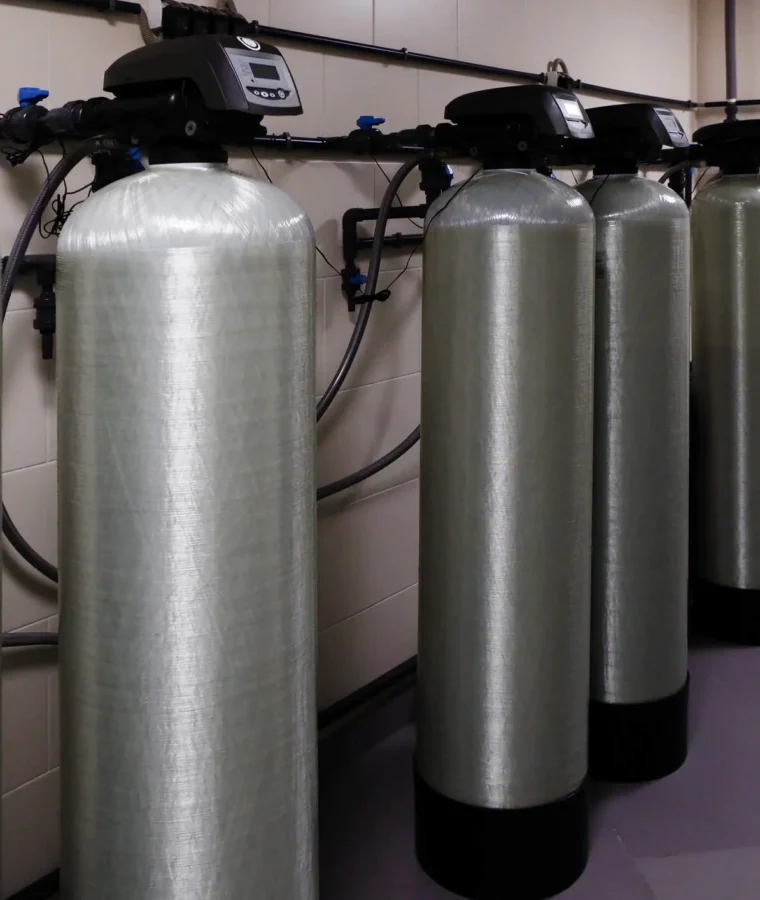
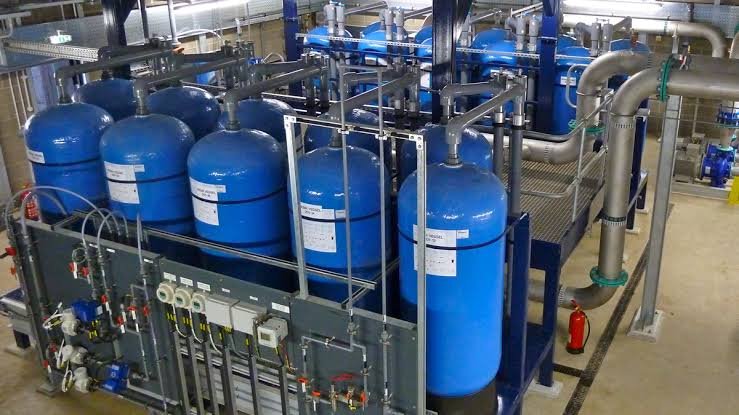
One treatment approach involves ion exchange systems. These systems use specialized resin materials that exchange certain ions in water for others.
For nitrate treatment, an appropriately designed anion-exchange system can selectively reduce nitrate from the water. The exact performance depends on the resin, water chemistry, flow rate, system design, and operating conditions.
This isn’t the kind of equipment you should choose based solely on a product description online. Proper sizing and maintenance matter.
Resin eventually becomes exhausted and needs regeneration or replacement, depending on the system design. That means homeowners should understand the ongoing maintenance requirements before installation.
Specialized Filters for Specific Problems
Another approach involves specialized nitrate filters designed specifically to reduce nitrate concentrations. These aren’t the same as ordinary sediment or carbon filters.
That’s an important distinction. A standard household filter may improve taste and remove particles while having little or no effect on nitrate. Treatment technology needs to match the contaminant.
When evaluating a product, look for clear performance information and evidence supporting its nitrate-reduction claims. If certification applies to the specific product and claim you’re concerned about, check exactly what the certification covers rather than relying on a logo alone.
Reverse Osmosis as a Point-of-Use Option
Reverse osmosis is another technology commonly considered for drinking-water treatment. It uses pressure to move water through a semipermeable membrane that can reduce many dissolved substances.
For households primarily concerned about drinking and cooking water, a point-of-use reverse osmosis system may provide a practical treatment option.
The advantage is that you don’t necessarily need to treat every gallon entering the house. Water used for showers, laundry, and cleaning may not require the same treatment as drinking water.
However, reverse osmosis systems need maintenance. Filters and membranes have replacement schedules, and some systems produce wastewater during operation. Those factors should be considered before installation.
Choosing the Right Treatment System
There isn’t one universal nitrate-treatment solution for every property.
The best choice depends on nitrate concentration, water chemistry, household demand, desired treatment location, and maintenance preferences.
For example, a household with a nitrate concern limited to drinking water might consider point-of-use treatment. A property with broader water-quality requirements may need a whole-house approach.
Professional water testing and system assessment can help determine the most sensible option.
It’s also worth asking about flow rate. A treatment system needs to provide enough water for the intended application without being pushed beyond its design capacity.
Maintenance Is Part of the Solution
Installing nitrate treatment equipment isn’t the end of the process.
Filters need replacing. Ion-exchange systems may require regeneration or resin servicing. Reverse osmosis membranes eventually need replacement. Testing may also be appropriate periodically to confirm that the treatment system continues performing as expected.
Keep records of maintenance dates and test results. It may feel like unnecessary paperwork at first, but having a simple history can be extremely useful if water conditions change or the equipment needs servicing.
A treatment system that isn’t maintained properly may not provide the performance you expect.
Don’t Choose a System Based Only on Price
Water treatment is one area where the cheapest option can sometimes become expensive later.
Consider installation, replacement cartridges, resin, regeneration materials, professional servicing, and testing. Ask how much routine maintenance is expected and whether replacement components are readily available.
Also, don’t assume that the most expensive system is automatically the best. The right equipment is the equipment designed for your actual water problem and properly sized for your needs.
Clear specifications and realistic maintenance requirements are more useful than flashy marketing.
A Thoughtful Approach to Nitrate Concerns
Concerns about nitrates can feel unsettling, especially when the water looks perfectly normal. But the situation becomes much more manageable when you approach it step by step.
Test the water first. Understand the result. Identify possible sources. Then compare treatment technologies specifically designed to address nitrate when treatment is necessary.
Whether the appropriate solution involves ion exchange, reverse osmosis, or another properly designed technology, the goal should always be the same: choose a system based on evidence rather than guesswork.
Water treatment doesn’t need to be mysterious. With accurate testing, appropriate equipment, and regular maintenance, homeowners can take a much more informed approach to their water and feel confident about the choices they’re making.