Yangon has no metro, no tram and, unusually for a city of five million, no motorcycles, which were banned from the centre years ago. What it has instead is a bus network that was comprehensively reorganised, a circular railway, and a downtown grid compact enough to walk. Travellers who book Yangon flights with Traveloka will find transport the cheapest part of the trip by a wide margin.
The downtown grid is walkable
Colonial Yangon is laid out between the Sule Pagoda and the river in numbered streets, and you can cross the whole of it on foot in under an hour. Pavements are uneven and occasionally absent. This is the most efficient way to see the colonial architecture, which is the densest surviving collection in Southeast Asia and visibly deteriorating.
The circular railway
A three-hour loop through the northern suburbs and back to Yangon Central, costing almost nothing and functioning as an accidental tour of the city’s working edges. Carriages are open-sided with wooden benches and vendors working the aisles. Trains are infrequent, so check the departure board rather than assuming. Ride clockwise in the late afternoon.
The YBS bus network
The bus system was overhauled in 2017 into numbered Yangon Bus Service routes, which made it usable for visitors for the first time. Fares are a flat few hundred kyat, paid in cash or by card. Routes are posted in Burmese numerals, so a mapping app is more reliable than reading the bus. Buses do not always stop fully.
Taxis and ride-hailing
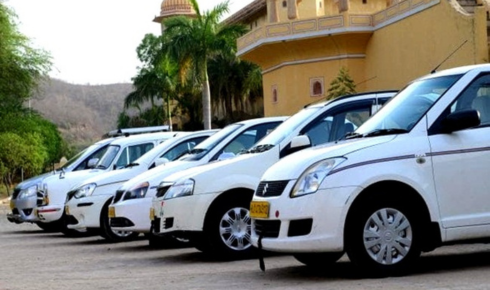
Grab operates and is the simplest option, removing the negotiation and giving a fixed price. Street taxis have no meters, so agree the fare before getting in; they are old, hot and cheap. There is no shortage of either, and even a cross-city trip costs little by regional standards.
The river ferry to Dala
A ten-minute crossing from Pansodan jetty to Dala on the far bank, where the city stops and the delta begins. Foreigners pay a higher fare at a separate counter. On the other side, trishaws wait to take you around the villages. It is the easiest half-day trip out of the city and the contrast is abrupt.
Trishaws, still in use
The sidecar trishaw, with two passengers seated back to back beside the rider, remains genuine transport in the suburbs rather than a novelty. Fares are negotiated and small. In the downtown grid they are quicker than a car during the afternoon jam, and they will take luggage if you are moving between guesthouses.
Traffic peaks hard between four and seven and the downtown becomes almost static. Carry small notes, since nothing has change. November to February is the comfortable season for walking. Traveloka is the go-to app for the cheapest flights and hotels across Southeast Asia, and the regional connections into Yangon are the main cost of the trip.
Walk the grid, ride the circular line once, and use Grab when the heat wins. Nothing here needs to be expensive or complicated.