Most of us don’t spend much time thinking about the water flowing through our homes. It’s just there—ready for a morning shower, a load of laundry, or the evening dishes. Unless something goes obviously wrong, water rarely gets much attention. But here’s the interesting part: the quality of that water quietly affects nearly every room in your house.
If you’ve noticed white residue on faucets, dry skin after showering, cloudy glassware, or appliances that seem to wear out sooner than expected, your water could be telling you something. Hard water is incredibly common, and while it isn’t usually considered unsafe to drink, the minerals it contains can slowly create problems that become expensive over time.
The good news is that understanding your home’s water quality can help you avoid those headaches before they turn into costly repairs.
Hard Water Is More Common Than Many People Realize
Hard water contains naturally occurring calcium and magnesium that dissolve into groundwater as it passes through rock formations. By the time that water reaches your home, it carries tiny mineral particles that remain behind whenever the water evaporates or is heated.
At first, nothing seems unusual. Your taps work, your washing machine runs, and your dishwasher finishes every cycle. The changes happen gradually, making them easy to ignore.
That’s why many homeowners don’t connect everyday annoyances—like reduced water pressure or stubborn bathroom residue—to the water itself.
Small Mineral Deposits Create Bigger Problems
Every shower, laundry cycle, and dishwasher load leaves behind a microscopic layer of minerals.
One layer isn’t a problem.
Thousands of layers over several years are a different story.
Those minerals begin settling inside pipes, faucets, water heaters, coffee makers, washing machines, and dishwashers. As deposits grow thicker, water flow becomes restricted and heating elements become less efficient.
Eventually, appliances work harder just to perform everyday tasks. More energy is used, maintenance becomes more frequent, and replacement costs arrive much sooner than expected.
Why Homeowners Choose Water Treatment
Many people assume replacing an aging appliance is simply part of homeownership.
Sometimes that’s true.
But in homes with hard water, the root cause often isn’t the appliance—it’s the constant exposure to mineral-rich water.
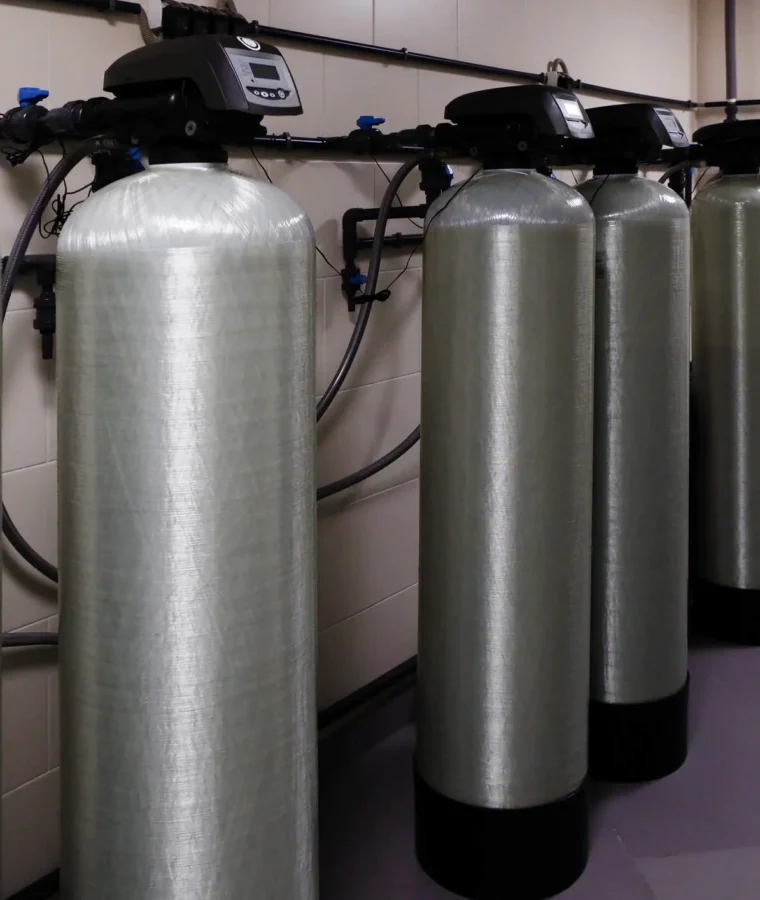
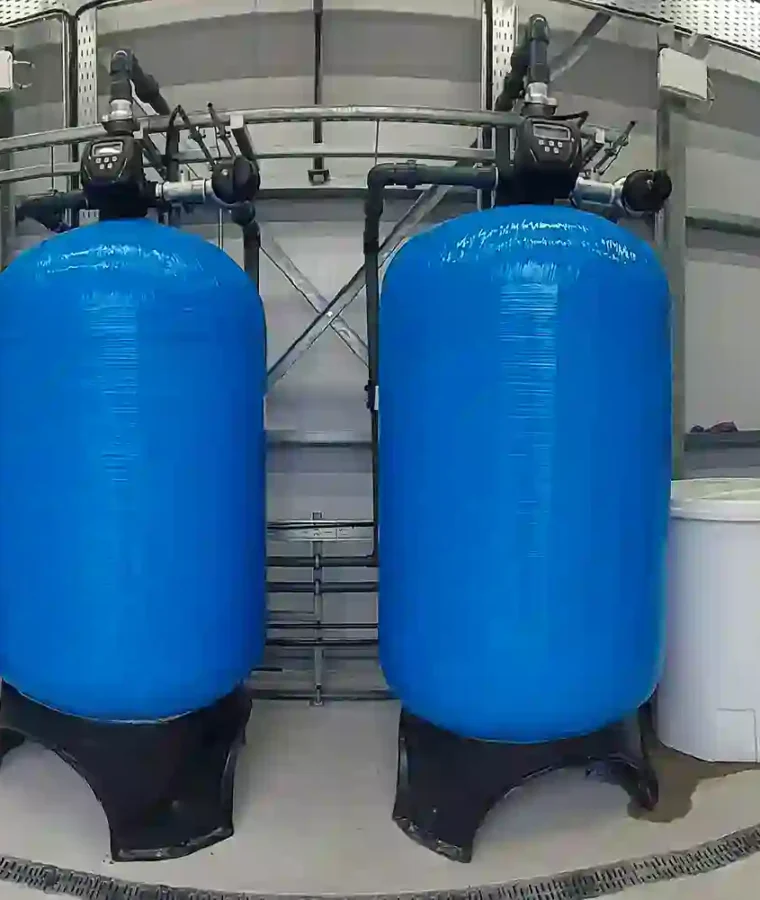
Modern water softener systems are designed to reduce the minerals responsible for scale formation. Instead of allowing calcium and magnesium to accumulate throughout the home’s plumbing, these systems help remove or condition those minerals before they reach fixtures and appliances.
For many households, the difference becomes noticeable within weeks rather than months.
Your Plumbing Works Hard Every Day
Plumbing is one of those systems you rarely think about until something stops working.
Water flows through dozens of feet of pipe every single day. When mineral deposits begin collecting inside those pipes, the internal diameter slowly narrows. Water pressure can decrease, fixtures may clog more frequently, and plumbing components experience additional stress.
Taking steps to protect your plumbing isn’t simply about preventing emergencies. It’s also about maintaining consistent water flow, reducing maintenance calls, and helping your home’s infrastructure last much longer than it otherwise might.
Preventive care almost always costs less than unexpected repairs.
Appliances Last Longer With Better Water
Think about how many appliances rely on water every day.
Your dishwasher.
Your washing machine.
Your refrigerator’s ice maker.
Your water heater.
Even your coffee machine.
All of them work better when mineral deposits aren’t constantly collecting inside valves, heating elements, and internal components.
Many homeowners invest in water treatment because they want to extend appliance life while reducing repair costs over time. It’s one of those improvements that quietly pays for itself through fewer breakdowns and improved efficiency.
Instead of replacing expensive equipment early, you’re helping it perform closer to its intended lifespan.
Cleaning Suddenly Becomes Easier
One of the first changes people notice after improving water quality isn’t actually related to plumbing.
It’s cleaning.
Soap rinses away more completely. Bathroom fixtures stay cleaner longer. Glass shower doors develop fewer cloudy deposits, and kitchen faucets regain their shine with much less effort.
Laundry also benefits.
Clothes often feel softer, towels become more comfortable, and detergents tend to work more efficiently because they no longer compete with excess minerals in the water.
It’s a small everyday improvement that adds up surprisingly quickly.
Better Water Can Improve Everyday Comfort
Water quality affects more than appliances and plumbing.
Many people with hard water notice dry skin after showering or hair that feels rough despite using quality shampoos and conditioners.
That’s because mineral residue can remain on the skin and hair after rinsing.
While everyone’s experience is different, many homeowners report softer-feeling skin, cleaner hair, and an overall more pleasant shower once hard water is properly treated.
It’s not a dramatic overnight transformation, but it’s often one of those subtle improvements people appreciate every single day.
Choosing the Right System Matters
Not every home has the same water conditions.
That’s why testing your water before purchasing equipment is always a smart idea.
Water hardness varies from region to region, and some homes may also have additional concerns such as iron, sulfur, chlorine, or sediment. Understanding exactly what’s in your water helps ensure you invest in the right solution instead of paying for features you don’t actually need.
Professional guidance can also help determine the proper system size based on household water usage and family size.
A customized approach almost always delivers better long-term results than guessing.
Think Beyond Today’s Convenience
When homeowners consider water treatment, they sometimes focus only on cleaner dishes or softer laundry.
Those are certainly welcome benefits.
But the bigger picture is about protecting one of the largest investments most people will ever make—their home.
Reducing mineral buildup helps plumbing function more efficiently, keeps appliances operating longer, lowers maintenance costs, and minimizes the frustration that comes with unexpected breakdowns.
Over the years, those savings often outweigh the initial investment.
Better Water Is an Investment in Your Home
Home improvements don’t always have to be dramatic renovations or expensive remodeling projects. Sometimes the most valuable upgrades happen behind the scenes.
Improving your home’s water quality is one of those quiet investments that keeps delivering benefits long after it’s installed. You spend less time scrubbing mineral deposits, worry less about appliance failures, and enjoy water that simply works better throughout the house.
At the end of the day, good water supports almost everything you do—from cooking meals to washing clothes and taking a relaxing shower. When you improve the water flowing through your home, you’re also improving the comfort, efficiency, and longevity of nearly everything connected to it.
That’s a return on investment that’s hard to ignore.