Water rarely gets the spotlight in business planning. Owners spend time thinking about staffing, customer service, inventory, equipment, and operating costs, while water quietly flows through the building without attracting much attention. Yet almost every commercial property depends on it in ways that are easy to overlook.
From restaurants and hotels to healthcare facilities, manufacturing plants, and office buildings, water supports countless daily operations. When its quality declines or treatment systems aren’t properly installed, the effects spread much further than a simple plumbing issue.
Equipment becomes less efficient. Maintenance costs rise. Energy bills slowly increase. Employees and customers begin noticing small inconveniences that eventually become larger operational problems.
The encouraging news is that many of these issues can be avoided with thoughtful planning and the right water treatment strategy from the very beginning.
Water Supports More Than You Might Realize
Walk through any commercial property and you’ll find water working almost everywhere.
It’s heating boilers, supplying kitchens, running dishwashers, feeding cooling systems, producing ice, supporting laundry equipment, and providing drinking water for employees and customers. In some industries, water is even part of the manufacturing process itself.
Because so many systems depend on clean, balanced water, even small quality issues can create ripple effects throughout an entire facility.
Hard water minerals gradually collect inside equipment. Sediment reduces efficiency. Chlorine and other compounds may affect water taste, odor, or sensitive equipment.
These changes happen slowly, making them easy to ignore until repair bills begin arriving more frequently.
Installation Is About More Than Connecting Equipment
When businesses decide to improve water quality, the focus often lands on the treatment equipment itself.
That’s understandable.
However, even the highest-quality filtration or softening system can’t perform at its best if it’s installed incorrectly or placed in the wrong part of the plumbing system.
Proper planning involves understanding water flow, building layout, peak usage periods, future expansion plans, and equipment demands.
Those details determine how effectively a system performs over the coming years.
Installation isn’t simply a technical step.
It’s the foundation that determines whether the investment delivers long-term value.
Why commercial water system installation Requires Careful Planning
Every commercial property has different water demands.
A hotel experiences morning and evening peaks as guests shower and prepare for the day. Restaurants often see intense water usage during meal service, while manufacturing facilities may require steady water flow throughout production hours.
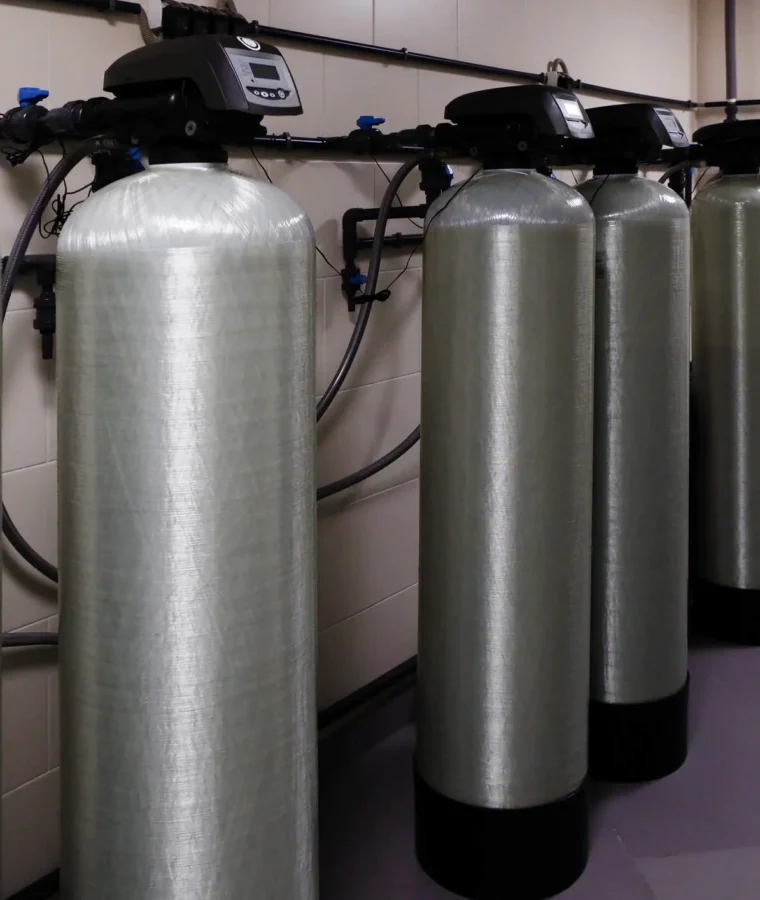
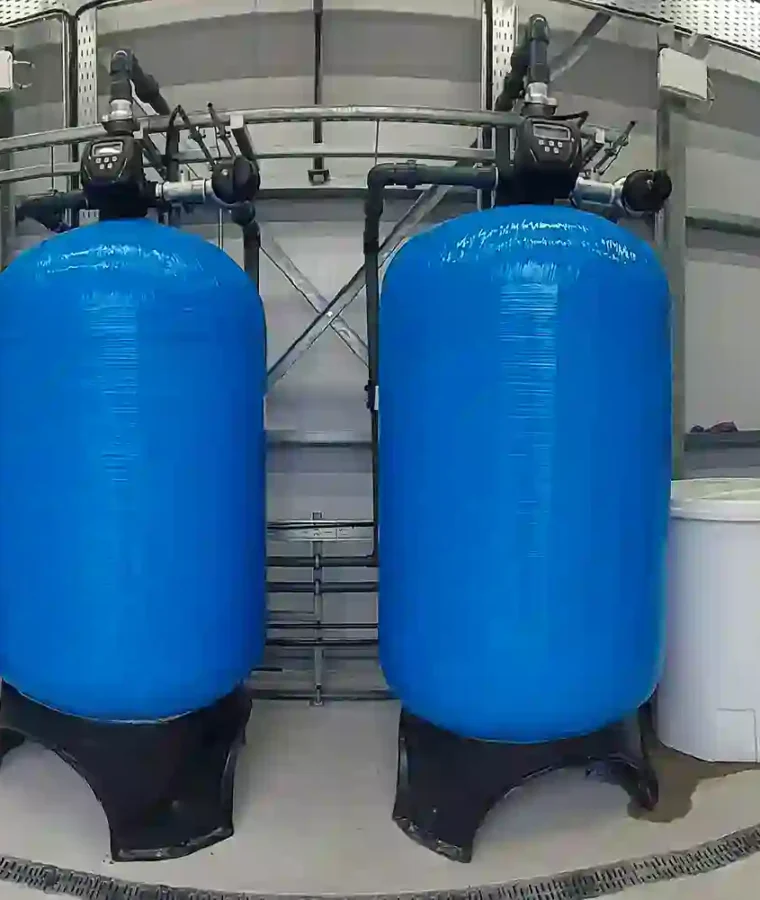
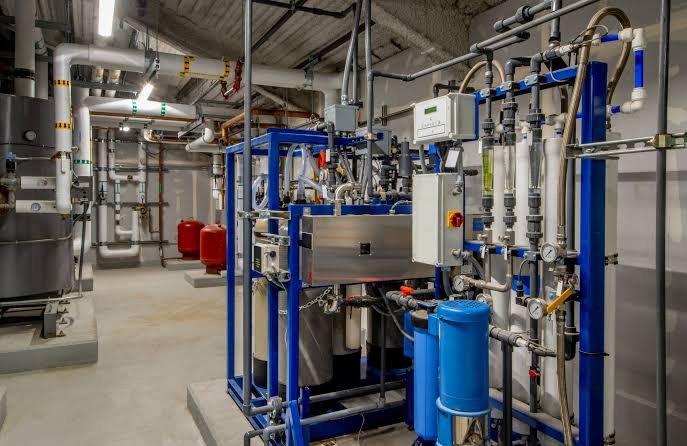
Because no two buildings operate the same way, commercial water system installation should always begin with a detailed evaluation of water consumption, plumbing configuration, and treatment goals.
Proper sizing is especially important.
An undersized system may struggle during busy periods, while oversized equipment often increases purchase costs and operating expenses without providing meaningful benefits.
Careful planning ensures the system supports both current operations and future growth.
Better Water Protects Valuable Equipment
Commercial equipment represents a significant investment.
Water heaters, boilers, dishwashers, cooling towers, coffee machines, production equipment, and plumbing infrastructure all depend on water quality to perform efficiently.
Hard water minerals gradually create scale that restricts flow, reduces heat transfer, and increases wear on internal components.
Sediment may clog valves or reduce equipment efficiency over time.
Treating water before these problems develop helps extend equipment lifespan while reducing maintenance costs and unexpected downtime.
In many cases, protecting equipment becomes one of the greatest financial benefits of water treatment.
The Importance of professional water system installation
Choosing quality equipment is only part of the process.
The expertise behind professional water system installation often determines how well that equipment performs over the years.
Experienced installers evaluate pipe sizing, available pressure, bypass requirements, drainage, accessibility for maintenance, and future service needs before completing the installation.
They also verify that the system operates correctly under actual building conditions rather than relying solely on manufacturer specifications.
These details may seem minor during installation.
Years later, they often become the difference between dependable performance and repeated service calls.
A properly installed system simply works more consistently.
Employees and Customers Notice the Results
Many businesses think about water treatment only from a maintenance perspective.
But people experience the benefits too.
Hotels provide cleaner showers and softer towels. Restaurants serve beverages with better taste and cleaner ice. Office employees appreciate reliable drinking water and facilities that function smoothly every day.
Customers may never compliment a business specifically for its water quality.
Still, they absolutely notice spotless glassware, clean restrooms, consistent food preparation, and an environment where everything feels well maintained.
Those small details contribute to stronger customer confidence without requiring flashy improvements.
Why commercial water treatment Is a Long-Term Investment
It’s easy to view commercial water treatment as another building expense.
In reality, it’s better understood as an investment in operational reliability.
Cleaner water helps reduce mineral buildup, supports energy efficiency, protects plumbing systems, extends equipment life, and lowers long-term maintenance costs.
Instead of reacting to failures after they occur, businesses proactively reduce the conditions that cause those failures in the first place.
That preventative approach creates more predictable operating budgets while reducing costly interruptions that affect both employees and customers.
Reliable infrastructure always supports stronger business performance.
Routine Maintenance Protects the Investment
Even the best treatment systems benefit from regular attention.
Filters eventually require replacement. Valves need inspection. Water conditions may change over time as municipal treatment processes evolve or seasonal groundwater conditions shift.
Routine maintenance helps ensure systems continue performing exactly as intended.
It also allows technicians to identify small issues before they become larger problems that interrupt business operations.
Like any important commercial equipment, water treatment performs best when it’s maintained rather than ignored.
Better Water Builds a Better Business
Business owners make investments every day that customers never see.
Electrical systems, HVAC equipment, security technology, plumbing infrastructure, and fire protection all work quietly behind the scenes to keep operations running smoothly.
Water treatment belongs in that same category.
It protects valuable equipment, supports employees, improves customer experiences, reduces maintenance costs, and strengthens operational efficiency throughout the building. While it may not always be visible, its impact reaches nearly every part of daily business operations.
At the end of the day, cleaner water is about much more than what’s flowing from a faucet. It’s about creating a commercial property that operates reliably, protects its equipment, and delivers consistent performance year after year. When installation is planned carefully and treatment is matched to the building’s actual needs, the benefits continue long after the project is complete—and that’s what makes it a truly worthwhile investment.