Let’s be honest—water’s one of those things we all take for granted until something goes wrong. A weird taste from the tap. A mysterious leak under the sink. Or that dreaded moment your filter system flashes an error code you can’t decode. Sound familiar? You’re not alone. But there’s good news. We’re entering an era where water systems are getting smarter—way smarter.
From AI-powered filtration units to apps that monitor your water quality in real-time, smart home water solutions are no longer a futuristic luxury—they’re becoming the new normal. And the best part? You don’t need to be a tech wizard to benefit.
The Rise of Smarter Water
So, what’s fueling the shift?
It’s a mix of convenience, conservation, and—let’s face it—cost. Households are looking for ways to use water more efficiently, catch problems before they spiral into repairs, and maintain a higher standard of living without constant maintenance calls.
Smart water tech brings together sensors, cloud connectivity, and automation to manage the invisible lifeline of your home. It’s not just about fancy features—it’s about peace of mind.
Picture this: you’re away on vacation, and your app pings you because it noticed abnormal water flow. Turns out, there’s a small leak near your water heater. You shut it off remotely, saving hundreds (maybe thousands) in damage. That’s the kind of control smart systems offer.
Monitoring from Miles Away
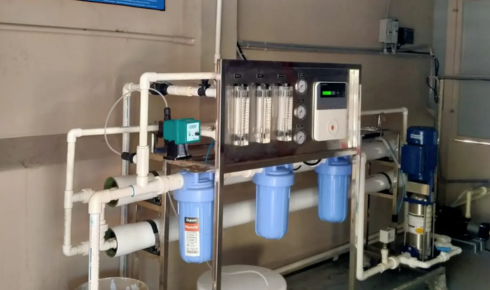
If there’s one innovation that’s turning heads, it’s water treatment remote monitoring. For decades, water filtration and treatment systems have required manual checks—visual inspections, pressure gauges, and filter replacements tracked on sticky notes (don’t deny it).
But not anymore.
Remote monitoring tools now let you check the status of your system from your phone or tablet. You can track flow rates, detect impurities, and even analyze historical performance trends. It’s like having a water sommelier in your pocket.
This isn’t just handy for homeowners, either. Landlords, property managers, and even Airbnb hosts are using these tools to keep multiple properties in check without being physically present. It’s efficiency, amplified.
No More Guesswork
You know those moments when you wonder, “Is it time to change the filter?” or “Why is the water pressure so low?” Those days are numbered.
Thanks to automated maintenance alerts, your system will now tell you what it needs, when it needs it—kind of like a car flashing the ‘Check Engine’ light, except more helpful (and way less anxiety-inducing). These alerts can remind you to swap filters, schedule service, or even perform a quick DIY flush to keep things running smoothly.
What’s especially great is how these alerts adapt to your actual usage. A family of five with teens (read: 45-minute showers) will obviously have different needs than a retired couple living solo. The tech adjusts accordingly.
It’s all about taking the guesswork—and frankly, the hassle—out of maintenance.
Real People, Real Stories
Take Priya and Rahul, for example. A young couple in Bangalore, they were tired of constantly running into issues with their under-sink RO unit. Either the water would taste off, or they’d realize a filter was overdue for a change—usually after getting sick.
They installed a smart water system with remote tracking and automated alerts. Fast forward six months, and they haven’t had a single hiccup. Their system even detected unusually high TDS levels after a water main issue in the area—something they wouldn’t have caught on their own.
Their verdict? “It’s like having a water guardian. We don’t even think about it anymore—it just works.”
Why It Matters Now
Climate change, urban population growth, and aging infrastructure are all putting pressure on global water resources. That’s not some far-off headline—it’s reality. In many cities, the water supply isn’t just inconsistent—it’s unsafe.
That’s why investing in smarter water management is more than a convenience—it’s a necessity.
We monitor our finances with apps. We track our health with wearables. Isn’t it time we applied the same logic to something as vital as water?
What to Look For in a Smart System
If you’re shopping around, here’s a quick hit-list of features to consider:
- Remote access: Make sure you can view and control the system from your phone.
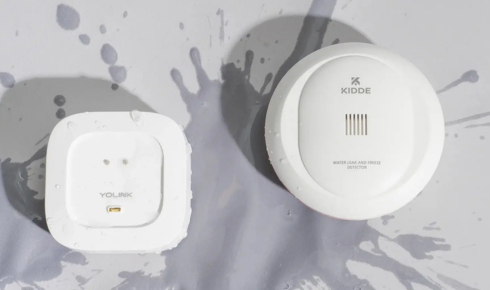
- Sensor-based alerts: Systems should detect pressure drops, leaks, or changes in quality.
- Custom usage reports: See how much water you’re using—and how to cut down.
- Integration: Does it play nicely with your existing smart home setup?
- User-friendly dashboard: You shouldn’t need an engineering degree to use it.
Also, choose a brand that offers regular software updates. Like any smart device, your water system should improve over time, not fall behind.
Final Thoughts
We often talk about “smart homes” like it’s just about lights that turn off on voice command or thermostats that learn your schedule. But water? That’s the stuff of life. It deserves smart attention, too.
Whether it’s ensuring your family’s water is always clean, saving on unnecessary maintenance, or simply knowing everything’s running as it should, these innovations put you back in control.
So if you’ve ever felt a little out of the loop when it comes to your water system—or just want one less thing to worry about—this might be the upgrade you never knew you needed.