

There’s something oddly comforting about the sound of running water—like a soft hum in the background of everyday life. It’s there when you rinse your hands after chopping onions, when your kids fill up their water bottles before school, when you wash the dog after a muddy walk. And the wild part is, most of us never stop to think about what’s actually in that water.
We assume it’s fine. That it’s clean. That someone, somewhere, is making sure it’s safe.
But here’s the truth—not all water is created equal. And depending on where you live, what’s in your pipes, and what kind of infrastructure supports your neighborhood, the water that looks clear might not be as clean as you think.
When “Clean” Isn’t Quite Enough
Let’s say you live in a quiet town that pulls from a pure water source—maybe a mountain-fed reservoir or a deep, protected well. That’s great. You’re already starting off ahead. But even the cleanest natural sources can pick up contaminants on the way to your sink. From aging municipal pipelines to household plumbing, a lot can happen between the source and your glass.
Things like lead, chlorine, bacteria, and even pesticides have been known to sneak into residential supplies. And you won’t always see it, taste it, or smell it. That’s what makes it tricky. That’s why awareness—and action—matter.
The Clues Are There (If You’re Paying Attention)
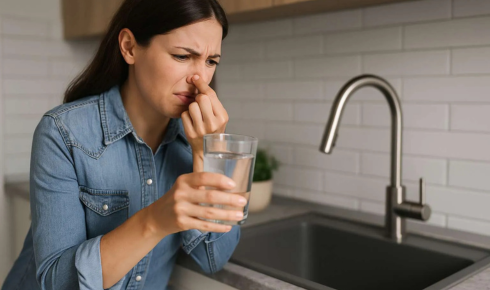
Most people don’t wake up one day and decide to overhaul their home’s water. It usually starts with something small: your skin feels dry, your coffee tastes off, or your dishwasher leaves spots on the glass no matter how many rinse cycles you use.
These are signs. They might not scream “danger,” but they’re worth listening to.
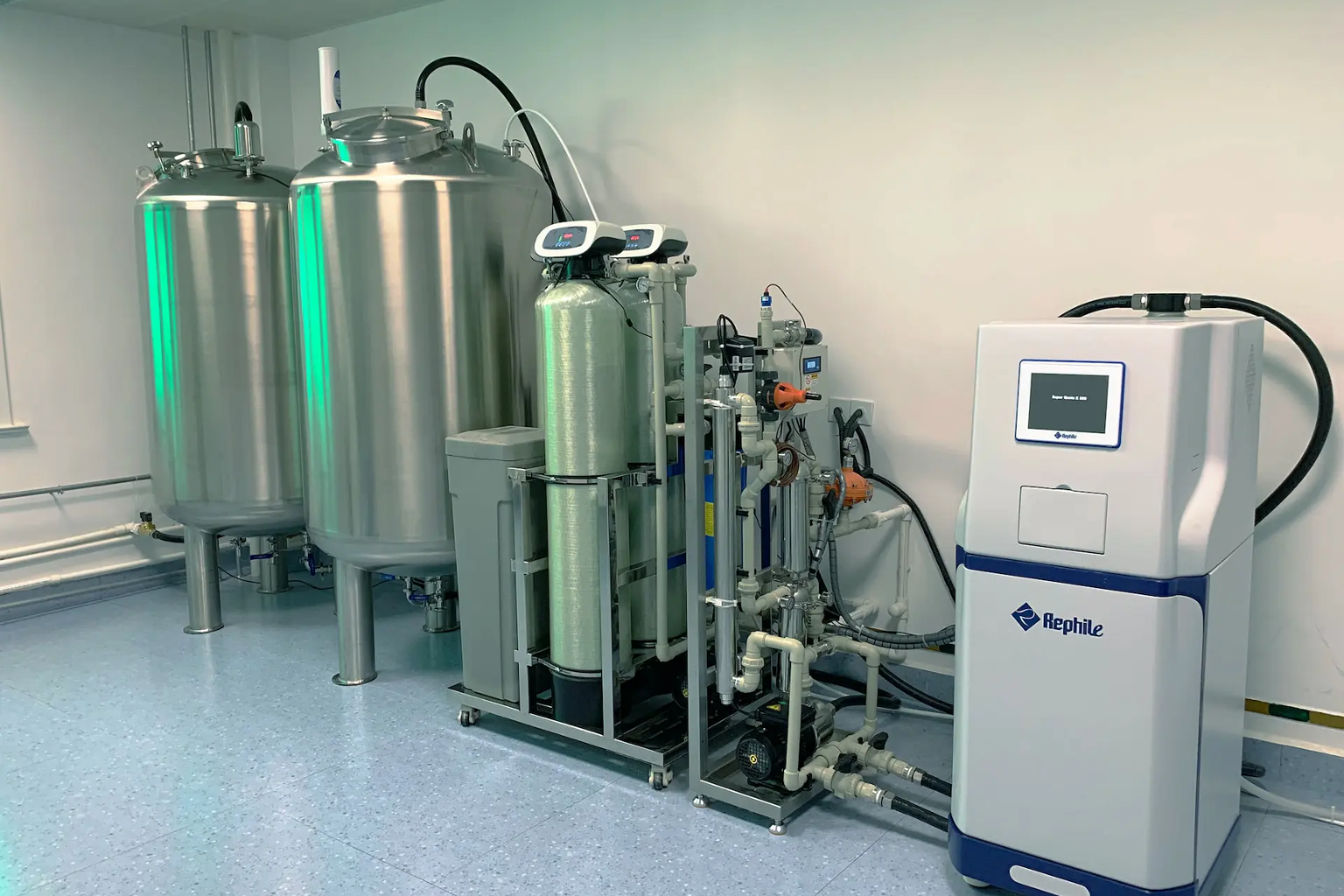
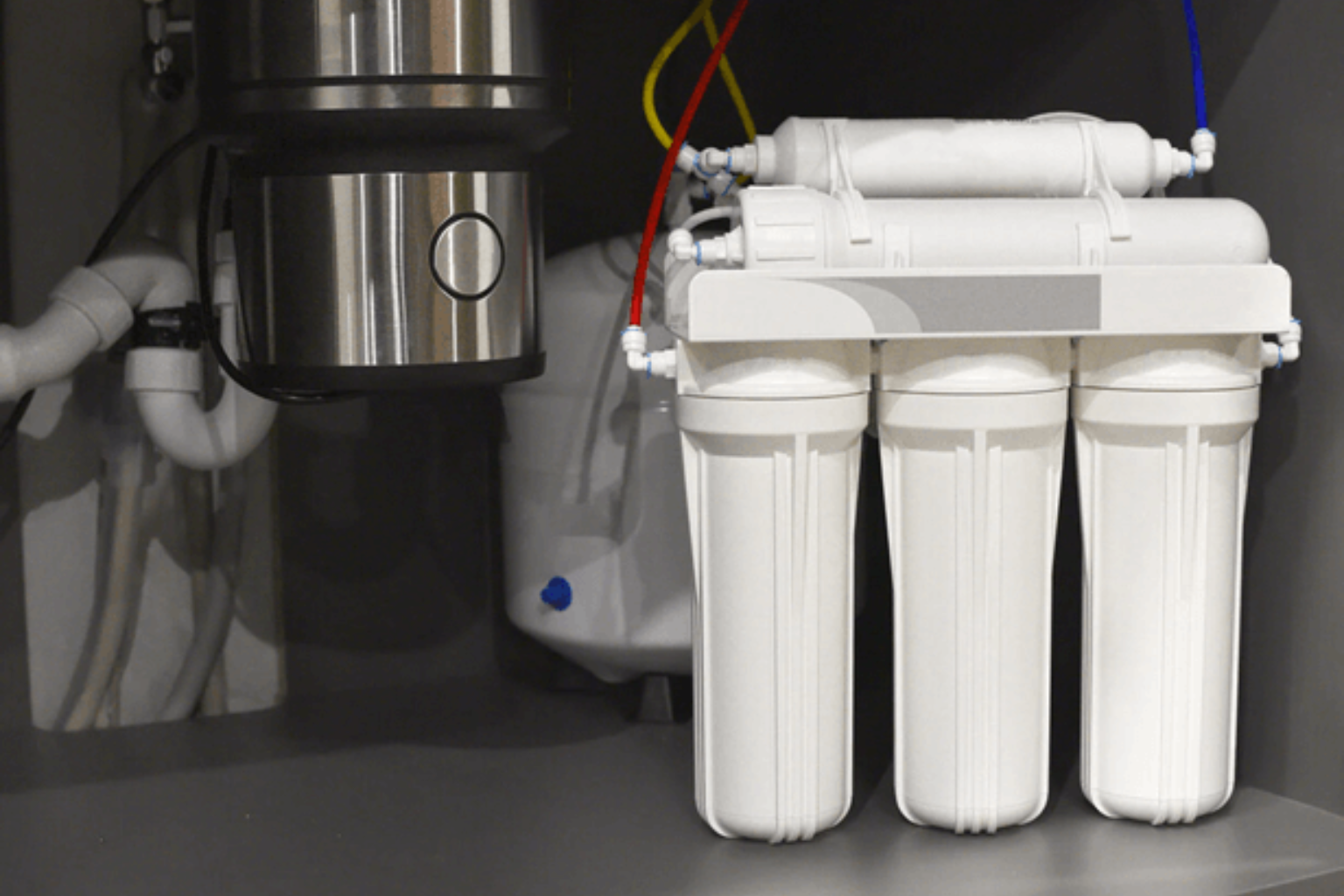
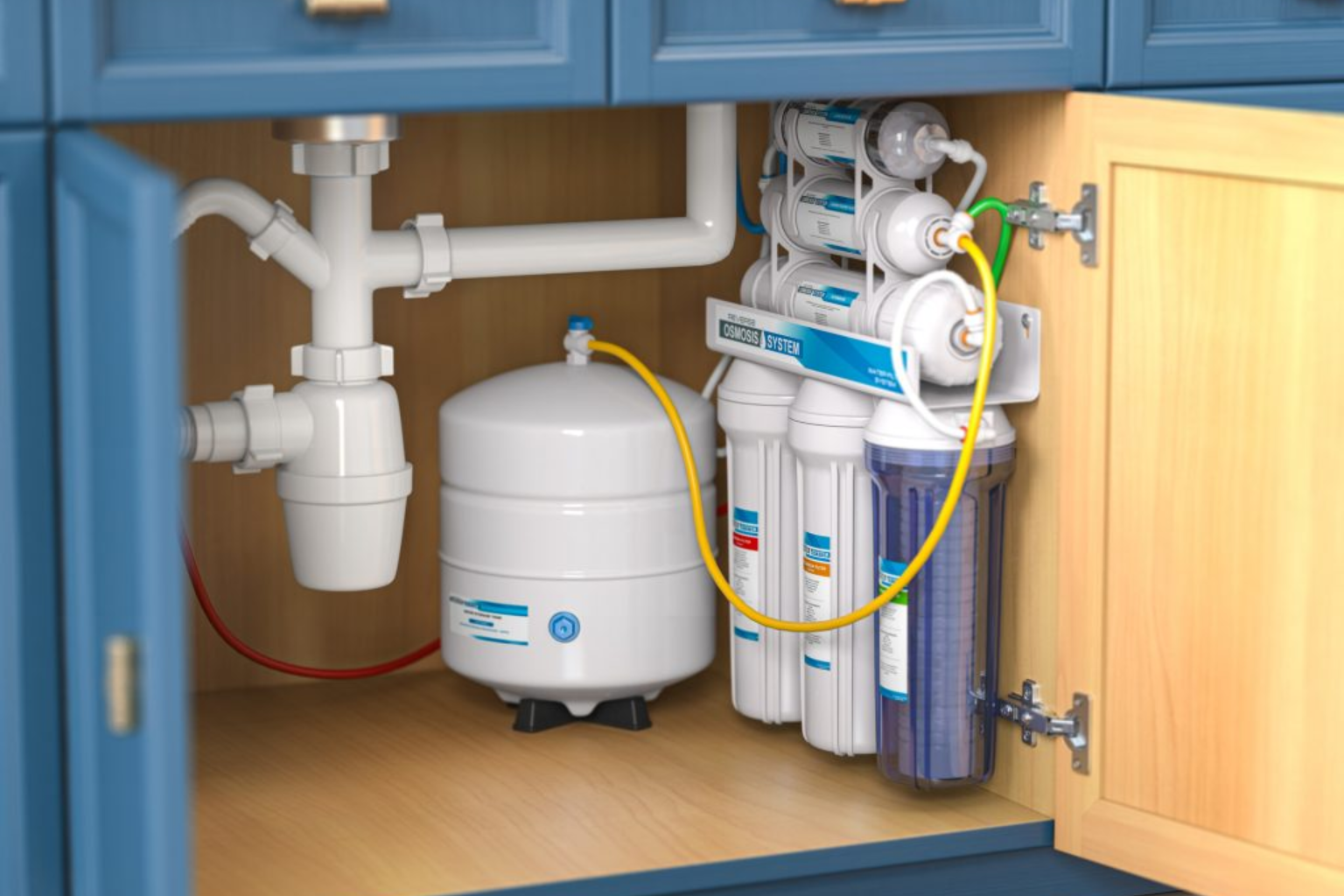
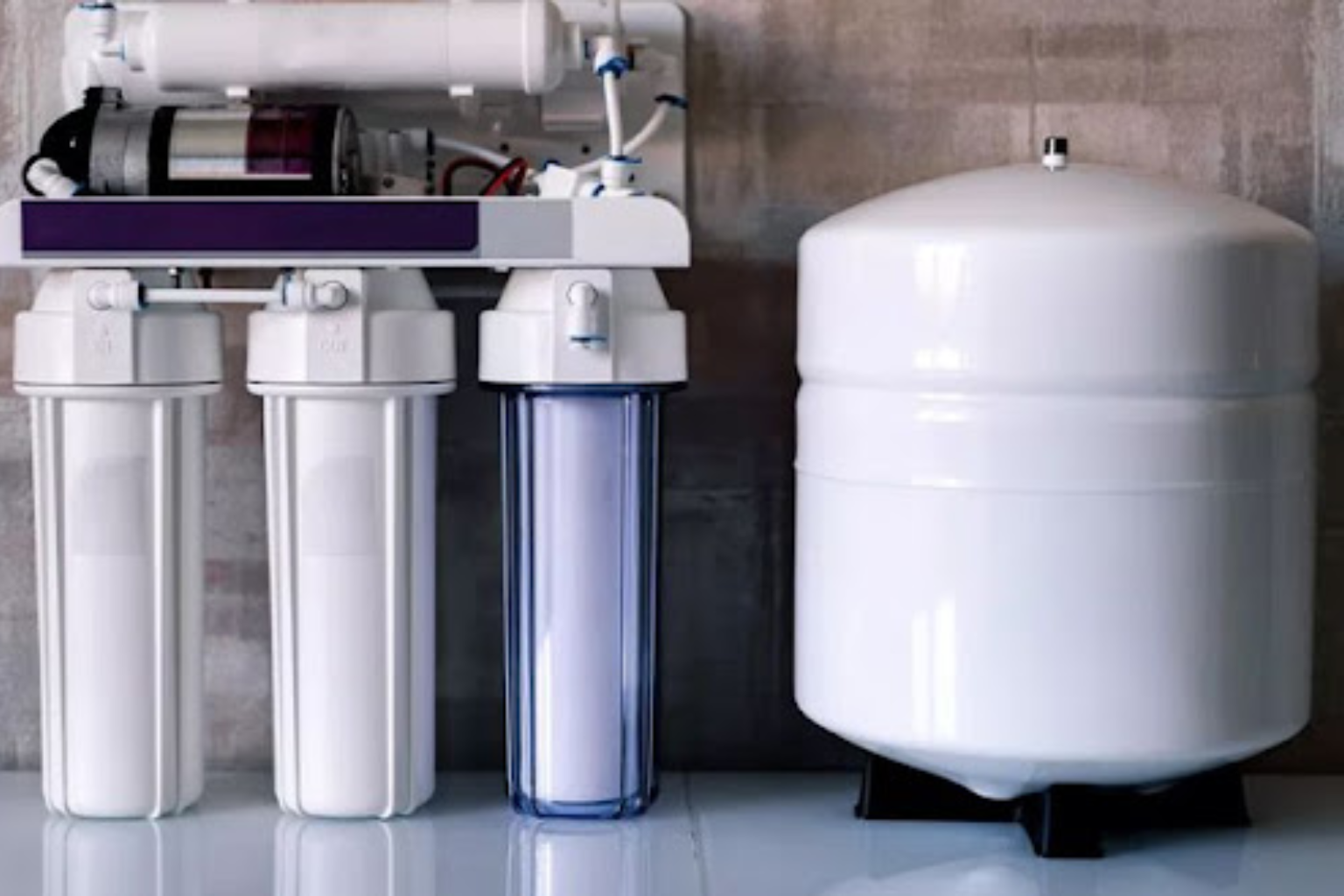
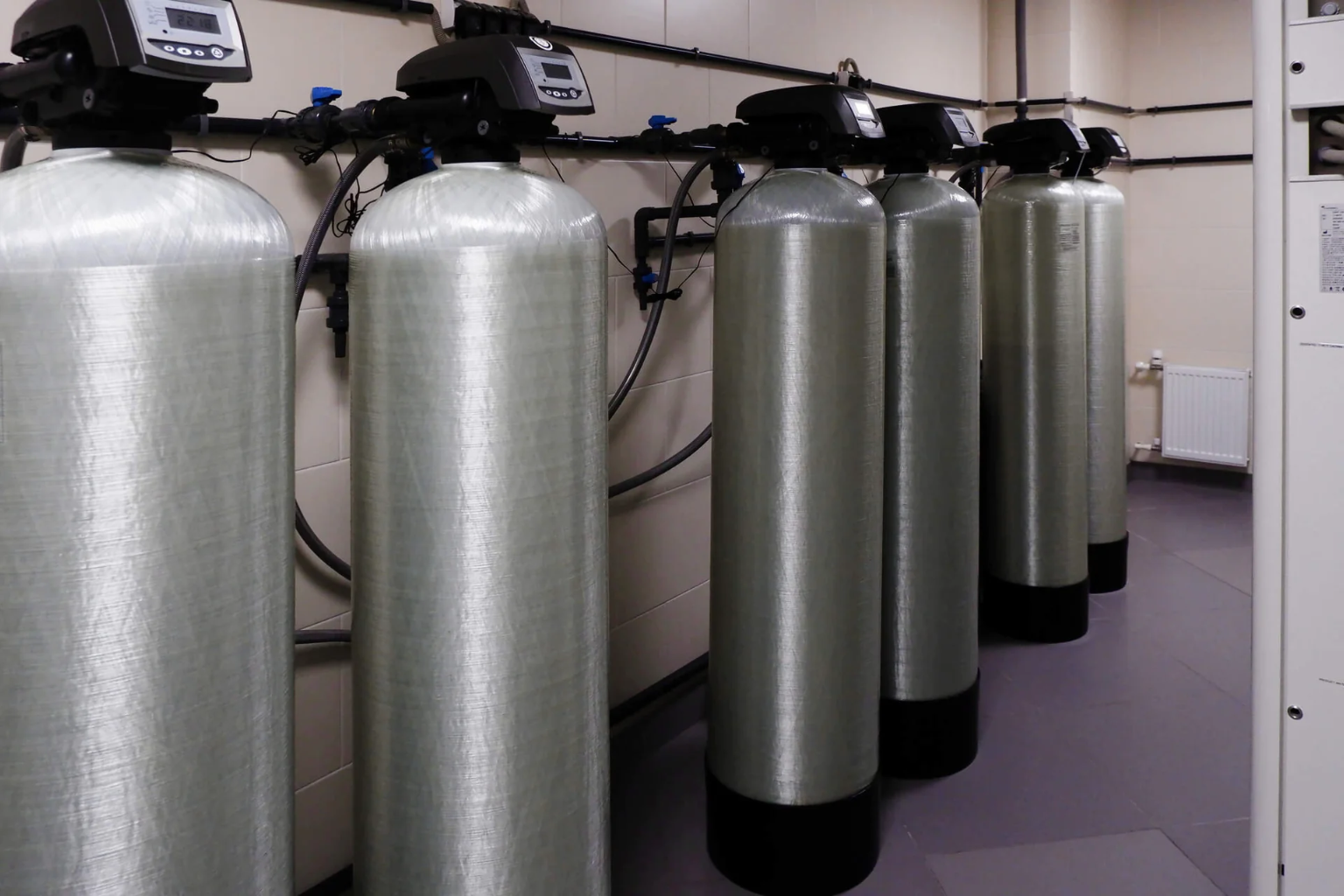
That’s where clean safe water solutions come into play. Maybe it’s as simple as a filtered pitcher. Maybe it’s a whole-home water softener or a multi-stage reverse osmosis system. The right solution depends on your specific water and your specific home. But the point is: there are solutions. You just need to know where to start.
Trusting the People Who Know the Water Game
Water is one of those things where DIY can only go so far. You can buy test strips or Google what “white residue on sink” means, but sooner or later, it helps to talk to someone who knows what they’re doing. Someone who’s dealt with hard water in your zip code or has a fix for that sulfur smell coming from your well.
That’s where water treatment expertise makes all the difference. It’s not just about choosing the right filter or brand—it’s about understanding your local water chemistry, pressure, infrastructure, and habits. A good expert won’t upsell you—they’ll guide you. They’ll test your water, explain what’s in it, and help you decide what actually needs fixing (and what doesn’t).
And the best part? Once you’ve got the right setup in place, you’ll feel the difference everywhere—your showers, your dishes, your clothes, even your peace of mind.
Small Changes, Big Impact
Let’s talk about results. Because clean water isn’t just about safety—it’s about comfort, too. Filtered water tastes better. Softened water feels better on your skin. Clean water makes your appliances last longer, your laundry softer, and your pipes less prone to build-up.
If you’ve ever stayed in a home with a great water system, you know. It’s subtle, but unmistakable. You don’t realize what you’ve been missing until you experience the upgrade.
And the good news? Getting there doesn’t have to be a massive investment. Many systems are modular, affordable, and scalable. You can start small and add on later. What matters is starting.
It’s Not Just About You, Either
Clean water isn’t just a “you” problem—it’s a community concern. The more households take water quality seriously, the more pressure there is on municipalities and utilities to maintain standards and upgrade infrastructure. You start a ripple effect.
And for families with kids, pets, or aging loved ones? Water quality becomes even more important. Their systems are more sensitive. Their risks are higher. Choosing better water is one of the quietest, yet most powerful health decisions you can make.
So, What’s Stopping You?
Maybe it’s the hassle. The time. The “it’s probably fine” thinking. And sure, we all get busy. But the next time you pour a glass of water, take a moment. Look at it. Think about where it came from. Think about where it’s going.
If something feels off—or even if it doesn’t—you’ve got options. You’ve got professionals who can help. You’ve got tools, tech, and treatments that can bring peace of mind to every faucet in your house.
And in a world that’s getting more complicated by the day, there’s something pretty beautiful about that kind of simplicity.