
We don’t usually stop to think about how water gets from one place to another. It simply shows up when we need it — flowing from faucets, draining from basements, circulating through systems quietly in the background. It’s easy to assume that water just “works” on its own.
But behind that simplicity lies an entire world of machinery. Pumps, in particular, are the unsung heroes of modern infrastructure. They move water where gravity can’t, control flow where nature won’t, and ensure consistency where unpredictability would otherwise reign.
And once you start noticing their role, it’s hard not to see how deeply they influence everyday life.
The Quiet Importance of Water Movement
Water is heavy. It resists being lifted, redirected, or controlled without assistance. That’s why pumps are essential — they provide the mechanical force needed to overcome gravity and friction.
In homes, pumps help deliver water to upper floors. In industries, they move liquids through complex systems. In agriculture, they sustain irrigation networks that feed entire communities.
What makes pumps particularly fascinating is their ability to operate almost invisibly. They hum quietly behind walls, below floors, or underground, performing tasks that most people never witness directly.
Yet their reliability forms the backbone of daily convenience.
When Precision and Safety Matter Most
Some applications require more than just power — they demand precision, reliability, and leak prevention. In environments where fluids may be hazardous or sensitive, even minor leaks can cause serious problems.
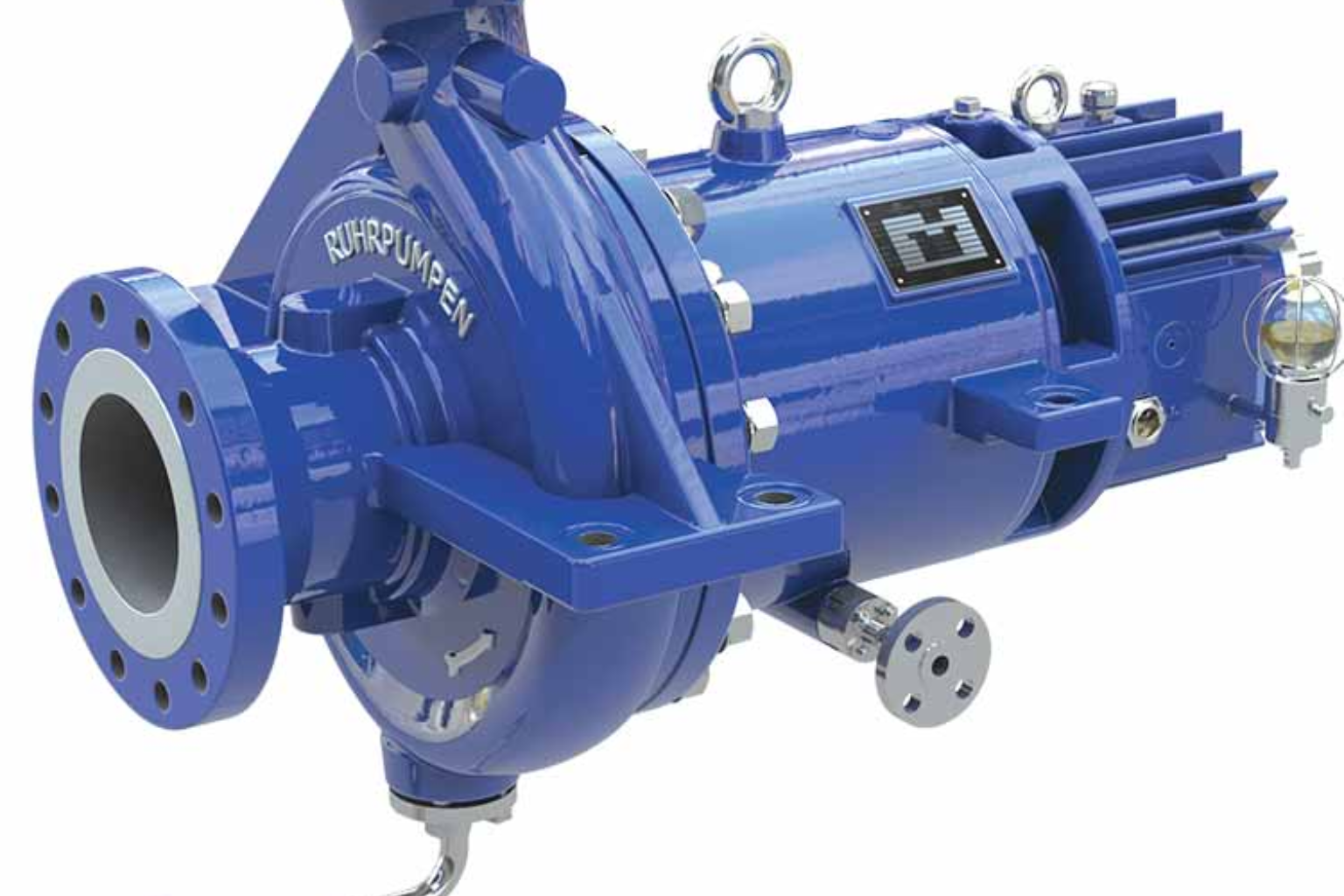
That’s why magnetic drive pumps are such an important innovation. These pumps use magnetic coupling instead of traditional mechanical seals, reducing the risk of leaks and minimizing maintenance requirements.
Their design allows them to handle delicate or corrosive liquids safely, making them widely used in laboratories, chemical processing, and specialized industrial settings.
Even though homeowners may not interact with these systems directly, they play a crucial role in ensuring safe and efficient fluid handling across many industries.
The Versatility of Multi-Purpose Solutions
Not all pump applications are highly specialized. Many situations require flexible tools capable of handling a variety of tasks. That’s where utility pumps shine.
These adaptable devices are designed for everyday challenges — draining flooded areas, transferring water between containers, or assisting with maintenance tasks. They’re commonly used in homes, construction sites, and landscaping projects.
What makes utility pumps particularly appealing is their practicality. They’re not tied to a single purpose. Instead, they provide solutions for a wide range of situations, making them valuable additions to any toolkit.
Homeowners often don’t realize how useful they are until an unexpected problem arises — like water accumulation after heavy rainfall. In those moments, having a reliable utility pump can make all the difference.
The Power Beneath the Surface
While some pumps operate above ground, others function in environments that require complete submersion. Deep wells, underwater installations, and certain industrial applications demand specialized components capable of withstanding harsh conditions.
This is where submersible motors come into play. Designed to operate fully immersed in liquid, these motors provide the power needed for pumps to function effectively beneath the surface.
Their sealed construction protects internal components from water exposure, allowing them to deliver consistent performance over extended periods.
For homeowners relying on well water systems, submersible motors play a vital role in ensuring reliable water supply. They work silently below ground, drawing water upward without requiring constant attention.
Why Reliability Matters More Than Visibility
One of the most remarkable aspects of pump systems is their ability to remain unnoticed when functioning properly. Unlike visible appliances, pumps often operate in hidden spaces, out of sight and out of mind.
This invisibility can sometimes lead to neglect. Many people only consider pump maintenance after performance declines or failures occur.
Regular inspections, however, can prevent most common issues. Monitoring pressure levels, checking electrical connections, and ensuring proper ventilation help maintain long-term reliability.
Taking a proactive approach not only extends equipment lifespan but also prevents unexpected disruptions.
The Emotional Impact of Consistent Water Systems
It might seem unusual to think about pumps in emotional terms, but reliable water systems contribute significantly to everyday comfort. When water flows smoothly, daily routines feel effortless and predictable.
Showers start without hesitation. Appliances function efficiently. Gardens receive consistent irrigation. These small conveniences create a sense of stability that often goes unnoticed.
Conversely, when water systems fail, the disruption can feel surprisingly stressful. The sudden loss of reliability highlights just how much we depend on these hidden machines.
A Growing Awareness of Water Efficiency
As environmental concerns continue to grow, efficient water management has become increasingly important. Modern pump technologies now focus on energy efficiency, automation, and smart monitoring capabilities.
These advancements help reduce energy consumption, optimize performance, and support sustainable resource use. For homeowners and businesses alike, this shift represents an opportunity to balance convenience with environmental responsibility.
Understanding pump systems is no longer just about maintenance — it’s about contributing to long-term sustainability.
The Silent Backbone of Modern Living
At the end of the day, pumps remain one of the most underappreciated components of modern infrastructure. They operate quietly, ensuring water moves exactly where it’s needed without drawing attention to themselves.
From maintaining safe industrial processes to protecting homes from flooding, their impact extends far beyond simple convenience.
Perhaps that’s what makes them remarkable. They don’t seek recognition. They simply perform their tasks reliably, day after day.
And while we may rarely think about them, these silent machines play an indispensable role in keeping life flowing smoothly — quite literally — beneath the surface of everyday living.