
There was a time when home water systems felt a bit old-school. They worked, sure, but they asked a lot in return—heavy lifting, regular reminders, and the occasional “how did I forget this again?” moment. For years, homeowners accepted that trade-off. If better water meant more chores, so be it. Lately, though, that mindset has been shifting.
Modern homeownership leans toward ease. We automate thermostats, control lights with our phones, and track packages in real time. It only makes sense that water care would follow the same path. And quietly, without much fanfare, it has.
When Small Inconveniences Become Decision-Makers
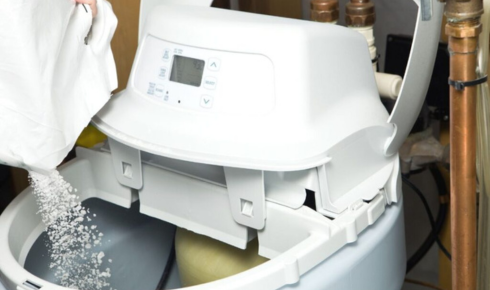
Most people don’t upgrade their water systems because of one dramatic problem. It’s usually a series of small frustrations. Lugging salt bags through the garage. Realizing—again—that the softener ran out at the worst possible time. Watching appliances age faster than expected. None of these things ruin a day, but they chip away at patience.
Over time, those small annoyances start to feel unnecessary. Especially when everything else in the home seems to be getting smarter and easier. That contrast is often what pushes people to look for better solutions—not flashier ones, just more practical ones.
Convenience Isn’t Lazy—It’s Intentional
There’s a lingering idea that convenience equals cutting corners. But in reality, convenience often means systems that are better maintained and more reliable. If something is easy to manage, it actually gets managed.
That’s part of why salt delivery services have become so appealing. Instead of guessing when you’ll run low or hauling awkward bags on a weekend errand, salt arrives when it’s needed. The system stays consistent. The homeowner stays out of the loop—and that’s a good thing.
People who switch to delivery often say it feels like reclaiming mental space. One less thing to remember. One less chore competing for attention. The water doesn’t change overnight, but the experience of owning the system does.
Technology Finds Its Way Into the Utility Room
Water systems used to be mechanical, predictable, and mostly silent. Today, they’re becoming something else entirely. Sensors, alerts, usage tracking—it’s the same logic that transformed other parts of the home, now applied to water.
Smart water softener systems take guesswork out of the equation. They monitor usage patterns, adjust regeneration cycles, and let homeowners know when attention is actually required. Not when a calendar says so—when the system itself knows.
This shift changes the relationship people have with their water. Instead of reacting to problems, they stay a step ahead without constant monitoring. It’s not about obsessing over data; it’s about letting the system handle the details.
Whole-Home Thinking Replaces Spot Fixes
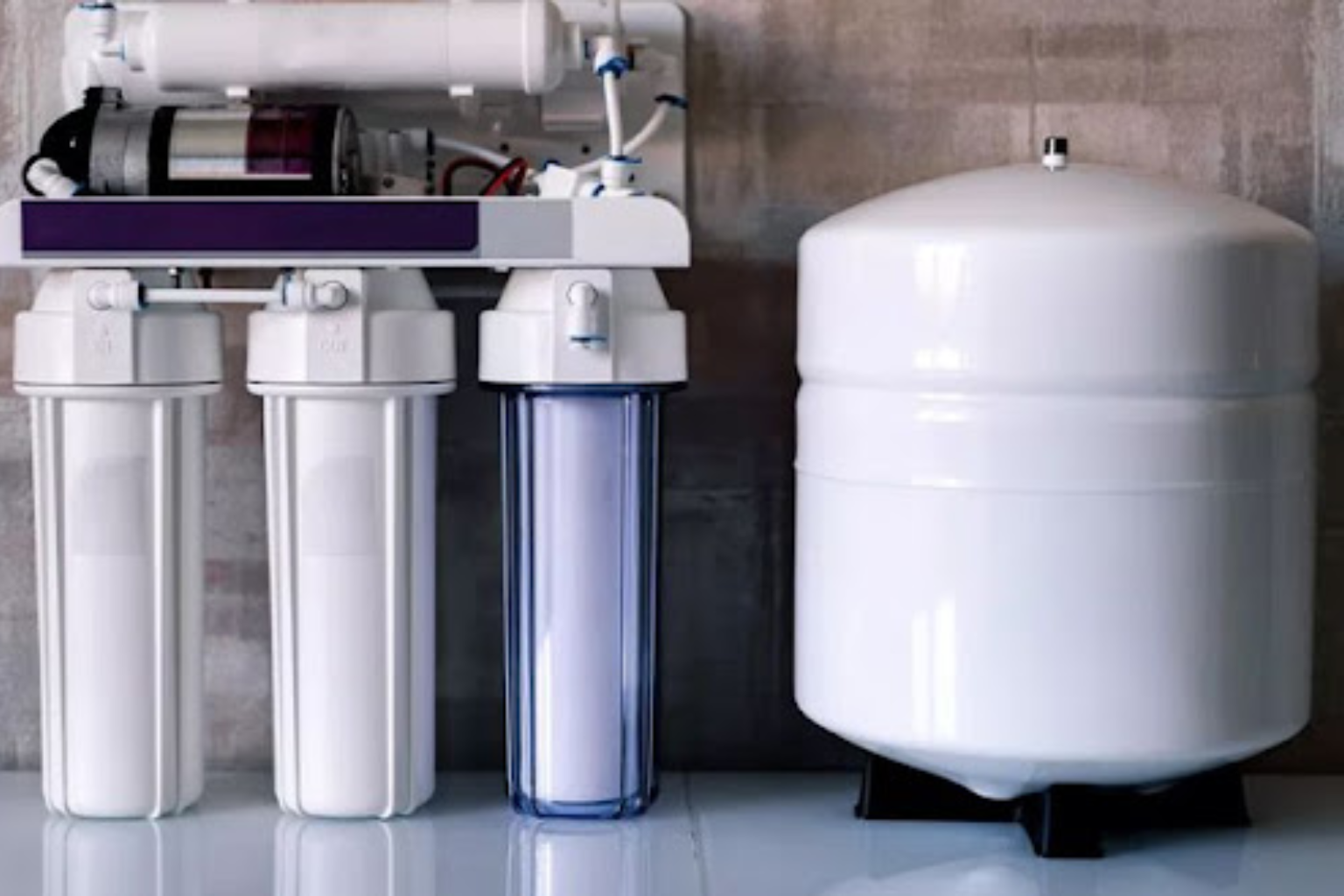
For years, many households tried to solve water issues one tap at a time. A filter under the sink. Another on the shower. Maybe a pitcher in the fridge. These fixes help, but they’re fragmented. And fragmentation tends to create more maintenance, not less.
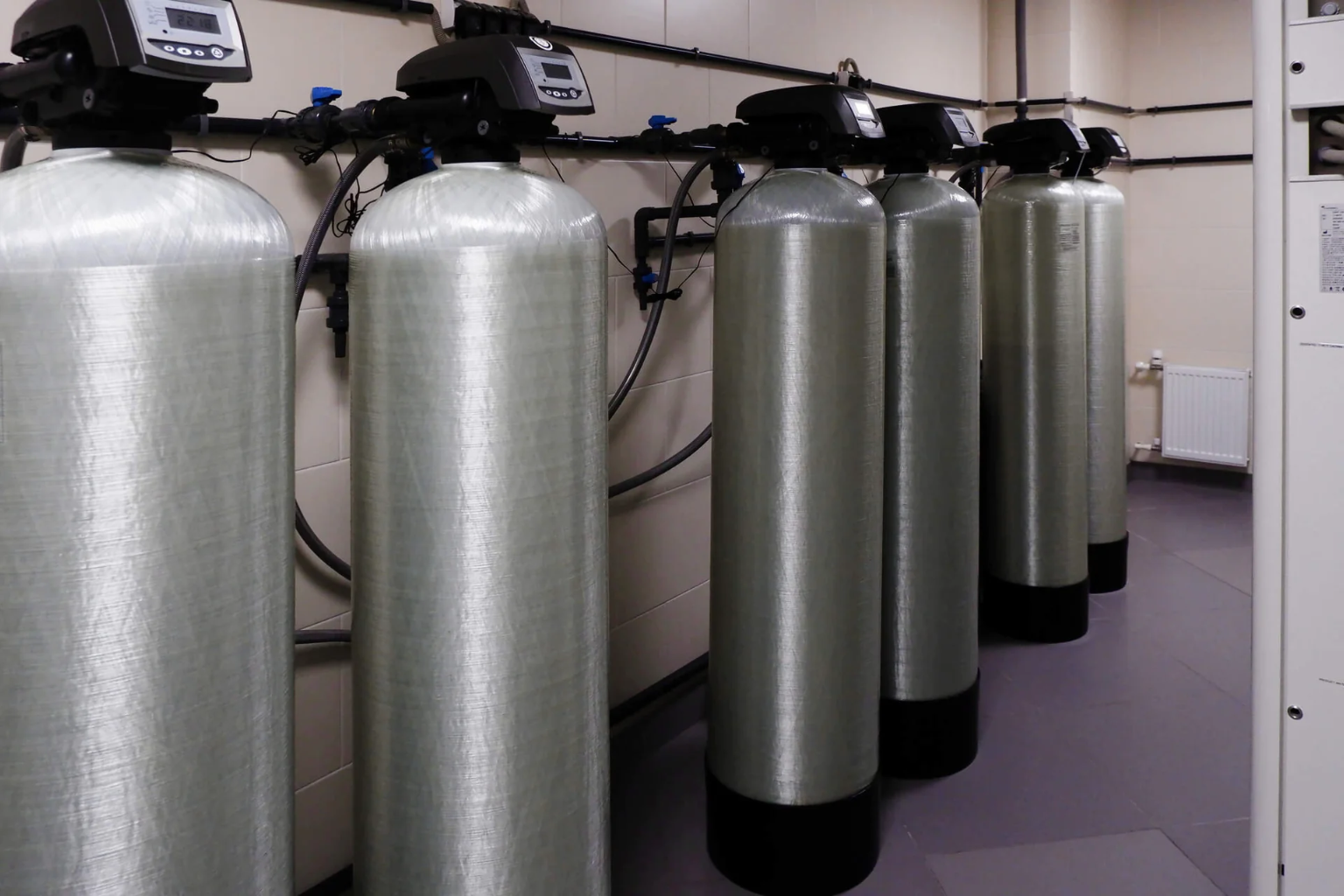
That’s why interest in whole home softeners continues to grow. Treating water at the point it enters the house means consistency everywhere—showers, laundry, kitchen, appliances. There’s no guessing which tap is “better” or remembering which filter needs replacing next.
People who make this switch often describe a subtle shift in how the house feels. Less residue on surfaces. Softer laundry. Appliances that seem to hum along more smoothly. It’s not a dramatic overhaul, but it’s noticeable enough that going back feels inconvenient.
The Emotional Side of Practical Choices
It’s easy to frame water upgrades as purely functional decisions. But listen to homeowners talk about them, and something else comes through. Relief. Satisfaction. A sense that things are finally under control.
There’s comfort in knowing the water system is doing its job without constant oversight. In knowing you won’t wake up to dry skin because the softener ran out overnight. In trusting that appliances aren’t quietly suffering behind the scenes.
These emotions aren’t exaggerated—they’re tied to predictability. When a basic utility becomes reliable, it removes a layer of low-grade stress most people didn’t even realize they were carrying.
Sustainability Without the Sermon
Another reason modern water solutions resonate is that they align with quieter sustainability goals. Better-managed systems waste less water. Efficient regeneration cycles reduce unnecessary usage. Longer-lasting appliances mean fewer replacements and less material waste.
What’s notable is that many homeowners don’t approach this from an environmental soapbox. They’re practical. If something saves resources and simplifies life, it feels like a sensible choice rather than a moral obligation.
That balance—doing something responsible without making life harder—is part of what defines modern home upgrades.
Cost, Reframed Over Time
Upfront costs always enter the conversation, and they should. Any home improvement deserves scrutiny. But the cost discussion often changes once people consider long-term patterns instead of initial prices.
Less detergent. Fewer appliance repairs. Reduced plumbing issues. Fewer emergency purchases when something runs out unexpectedly. Over time, these savings quietly offset the investment.
There’s also the value of time. Time not spent lifting bags. Time not spent troubleshooting water issues. Time not spent re-cleaning the same surfaces. That reclaimed time rarely shows up in budgets, but homeowners feel it.
When the System Fades Into the Background
Perhaps the highest compliment a home water system can receive is being forgotten. When months pass without thinking about salt levels. When cleaning routines feel lighter. When water simply does what it’s supposed to do.
That invisibility is intentional. The best systems don’t demand attention—they earn trust.
A Thoughtful Ending
Homeownership today is less about managing everything yourself and more about choosing systems that manage themselves well. Water, once a hands-on responsibility, is quietly joining that list of things we no longer need to micromanage.
By combining smart technology, thoughtful design, and simple conveniences, modern water care is becoming less of a task and more of a background comfort. And in a world already full of decisions, that kind of quiet reliability is worth appreciating.