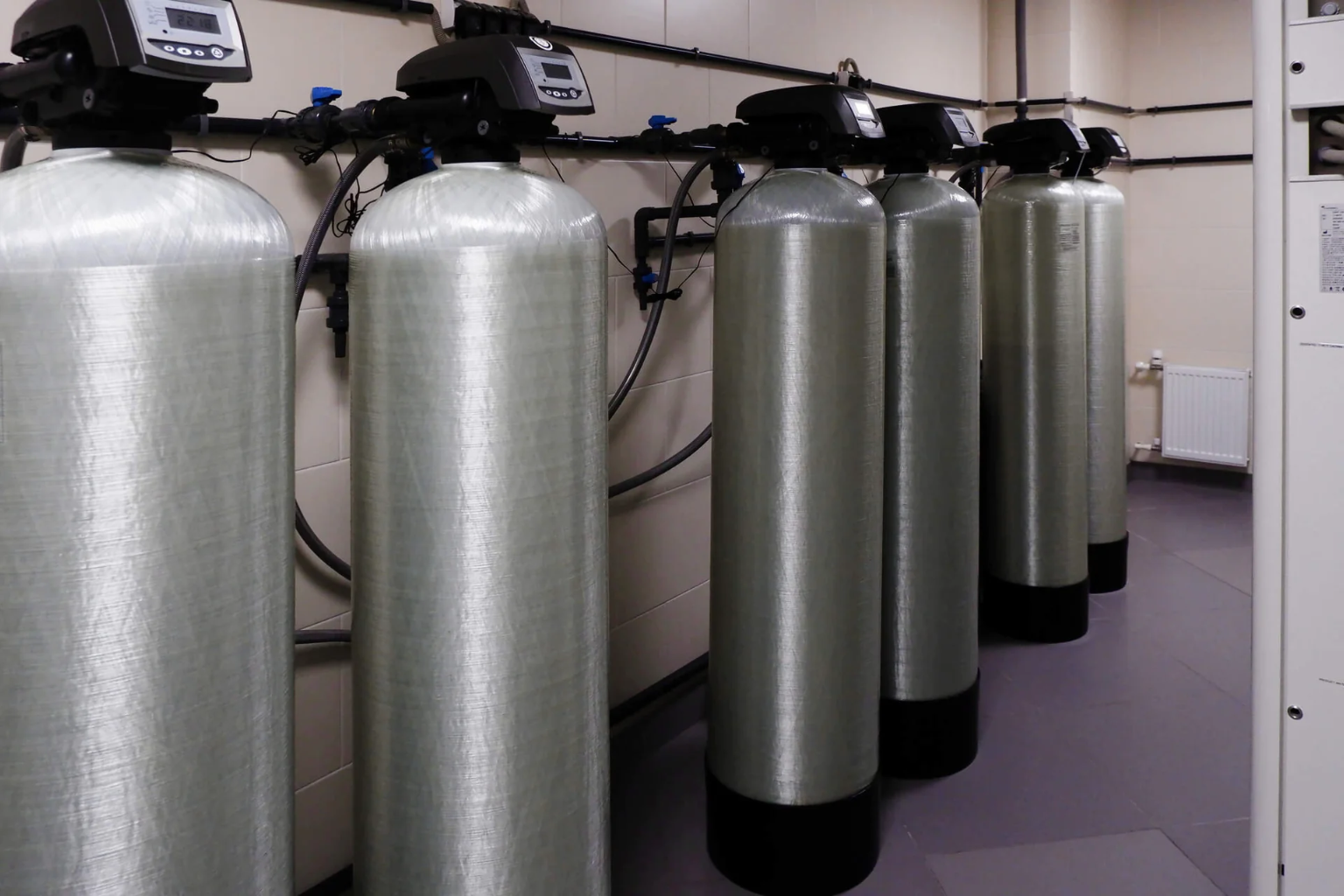

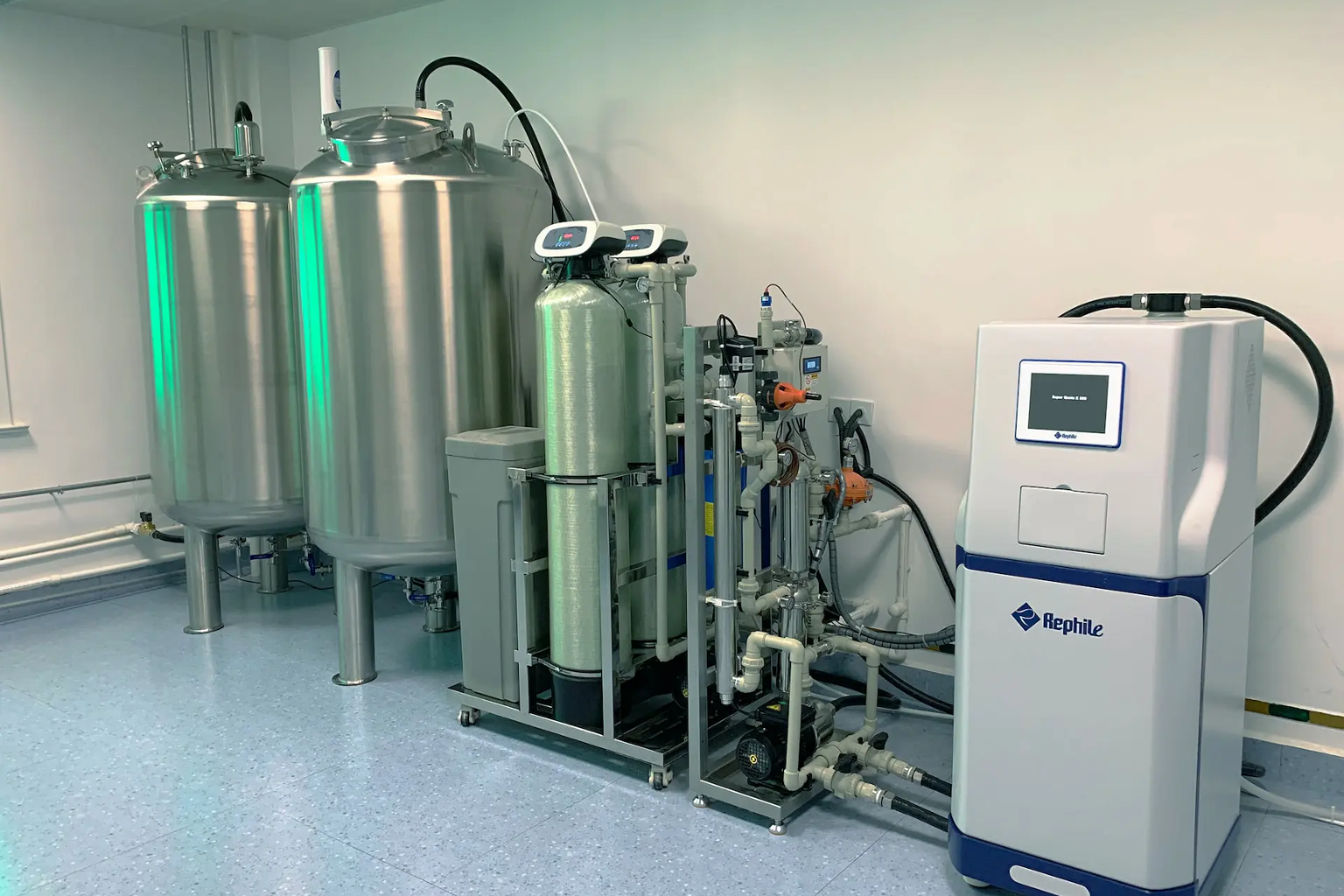
Most of us don’t wake up thinking about our water system. We expect it to work. Turn the handle, water flows. Hot when it should be hot, steady when it should be steady. It’s one of those background essentials — like electricity or Wi-Fi — that only gets attention when something goes wrong.
And when it does go wrong? It’s rarely subtle.
Suddenly the shower pressure drops. The water heater makes a strange popping sound. Faucets sputter. Glassware starts coming out cloudy again. It’s inconvenient at best, expensive at worst.
The thing is, most water system problems don’t happen overnight. They build slowly. Quietly. And that’s actually good news — because with a little foresight, many issues can be avoided entirely.
Why Waiting for a Problem Is the Costliest Approach
There’s a certain logic many homeowners fall into: if it’s not broken, don’t touch it. It sounds practical. Why fix something that seems fine?
But water systems — softeners, heaters, filtration units, pumps — don’t usually fail dramatically without warning. They deteriorate. Mineral buildup accumulates. Filters clog. Pressure shifts slightly. Performance dips just enough that you adapt without realizing it.
By the time you notice, the damage may already be significant.
That’s why proactive care exists. It’s designed to prevent breakdowns rather than respond to them. A simple inspection can catch scale forming inside a water heater. A routine flush can remove sediment before it hardens. A filter change can restore flow before pressure drops.
Small actions. Big difference.
The Power of Paying Attention
Most water systems don’t demand daily attention, but they do appreciate consistency. Think of them like a car. You don’t need to check under the hood every morning. But you wouldn’t skip oil changes for five years and expect smooth performance.
That’s where regular checkups make sense. A scheduled service visit — once a year, sometimes twice depending on usage — allows a professional to inspect components, test water quality, and confirm everything is operating efficiently.
These checkups aren’t about upselling. They’re about verification. Ensuring regeneration cycles in softeners are functioning. Confirming filters aren’t overdue. Checking that valves and seals aren’t quietly wearing out.
It’s the difference between controlled maintenance and chaotic repairs.
Hard Water Has a Long Memory
If your home deals with hard water, maintenance becomes even more critical. Mineral deposits don’t disappear on their own. They cling to heating elements, narrow pipe diameters, and coat appliance interiors.
Over time, this buildup forces systems to work harder. Energy usage rises. Efficiency drops. Lifespans shorten.
Routine flushing, salt level monitoring, and periodic cleaning are part of smart water system upkeep. They’re not complicated, but they are essential.
And honestly, once you make it a habit, it becomes second nature.
Signs Your System Is Asking for Attention
Water systems rarely send dramatic alerts. But they do whisper.
Soap doesn’t lather the way it used to. The water heater takes longer to recover. Ice cubes look cloudier. You hear faint clicking or humming that wasn’t there before.
These are clues, not coincidences.
Responding early can save you from more serious repairs. A simple service call now might prevent a full replacement later. And that’s not just convenient — it’s financially wise.
The Hidden Benefits You Might Not Notice
Well-maintained systems don’t just avoid problems; they enhance everyday life.
Softened water helps towels stay fluffy and reduces soap usage. Efficient heaters provide consistent hot water without fluctuating temperatures. Clean filters improve taste and clarity.
You probably won’t throw a party to celebrate these things. But you’ll appreciate them in quiet ways.
There’s comfort in reliability. In knowing that your morning shower won’t suddenly turn lukewarm. That your dishwasher will finish its cycle without streaking every glass.
Maintenance Doesn’t Have to Be Complicated
One common misconception is that water system maintenance is technical and overwhelming. In reality, much of it is straightforward.
Check salt levels monthly if you have a softener. Replace filters according to manufacturer guidelines. Schedule professional service annually. Keep an ear out for unusual sounds. That’s most of it.
For many households, a simple calendar reminder is enough to stay on track.
And if your system includes digital indicators or smart monitoring features, they’ll often tell you when attention is needed.
The Financial Argument
Let’s talk numbers for a moment.
Replacing a water heater prematurely because of scale damage can cost thousands. Emergency plumbing repairs aren’t cheap either. Even minor issues, if ignored, can snowball into larger expenses.
Preventative maintenance costs significantly less than major replacements. It extends equipment lifespan and preserves efficiency.
In the long run, that’s money saved — not spent.
Peace of Mind Is Underrated
There’s an emotional side to all this that doesn’t get discussed enough.
Water touches nearly every part of your daily routine. Cooking. Cleaning. Bathing. Drinking. When it works seamlessly, you barely notice. When it falters, it disrupts comfort and routine immediately.
Keeping your system in good shape means fewer surprises. Less stress. Fewer emergency calls at inconvenient times.
That peace of mind has value.
A Quiet Commitment to Consistency
At the end of the day, maintaining your water system isn’t glamorous. It won’t show up in before-and-after photos. It won’t earn compliments from guests.
But it will protect your home’s infrastructure. It will safeguard your comfort. And it will quietly ensure that one of life’s most essential resources keeps flowing without interruption.
Sometimes the smartest home improvement isn’t an upgrade — it’s consistency.
A little attention now keeps the drama away later. And honestly, that’s the kind of stability most of us are looking for.