
There’s a quiet kind of satisfaction that comes from small improvements at home — the kind you don’t notice immediately but gradually start to appreciate. It might be the way your morning coffee tastes richer than before, or how a glass of tap water suddenly feels refreshing instead of something you drink out of habit.
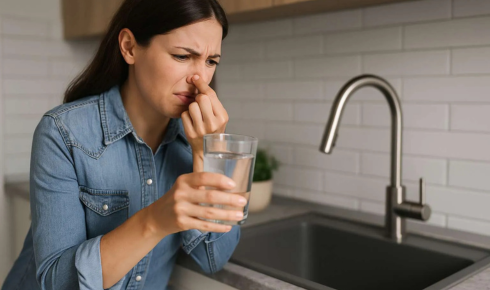
Most homeowners don’t actively think about water quality until something draws their attention. Maybe it’s a faint chemical smell, a metallic aftertaste, or cloudy spots appearing on dishes even after careful washing. These little frustrations often signal that water isn’t quite as balanced as it could be.
And once that realization sets in, many people begin exploring how better filtration can transform everyday living in ways they hadn’t expected.
Why Water Quality Affects More Than Just Drinking
Water flows through nearly every part of daily life. It’s used for cooking meals, washing produce, bathing, cleaning surfaces, and running appliances. Because it’s so constant, it’s easy to overlook how its composition influences both comfort and efficiency.
Even small amounts of minerals, chemical residues, or organic compounds can affect how water tastes and behaves. These elements may be present in safe quantities, but they can still create noticeable sensory and practical issues.
Over time, homeowners begin to recognize that improving water quality isn’t just about safety — it’s about enhancing daily routines.
The First Change People Usually Notice
One of the most immediate benefits of filtration is sensory improvement. Many homeowners describe the first sign of better water as an absence rather than a presence — no strange smell when turning on the faucet, no lingering aftertaste when taking a sip.
Filtration technologies designed for improved taste and odor use activated carbon and advanced purification media to remove chlorine, organic compounds, and other substances that affect water flavor.
The result is water that tastes neutral and feels cleaner.
For many households, this simple change makes a surprising difference. Drinking water becomes more enjoyable, and beverages like tea and coffee develop richer flavors.
Understanding the Role of Modern Purification Systems
Today’s home filtration technologies go far beyond basic carbon filters. Advanced systems are designed to address multiple types of contaminants simultaneously.
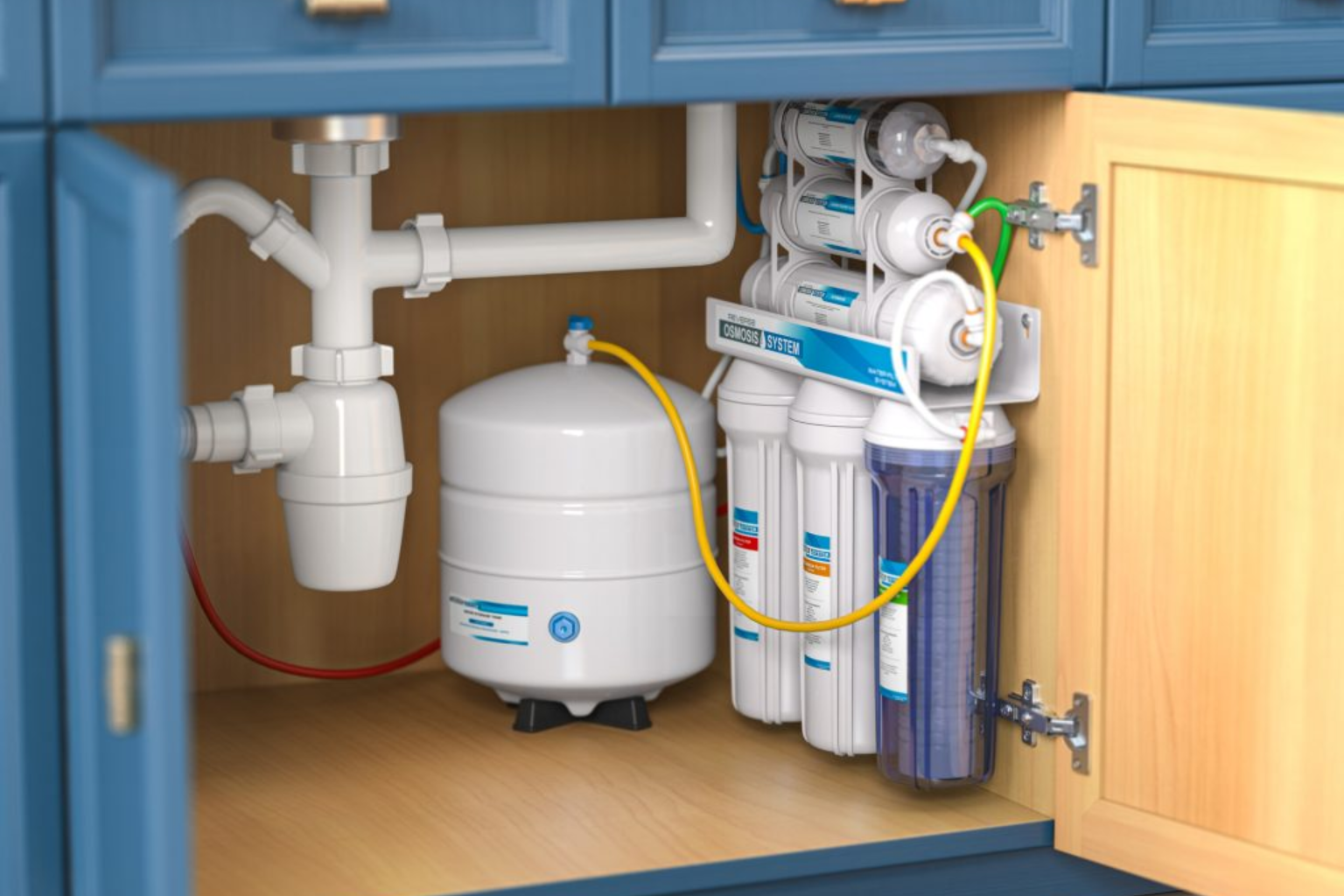
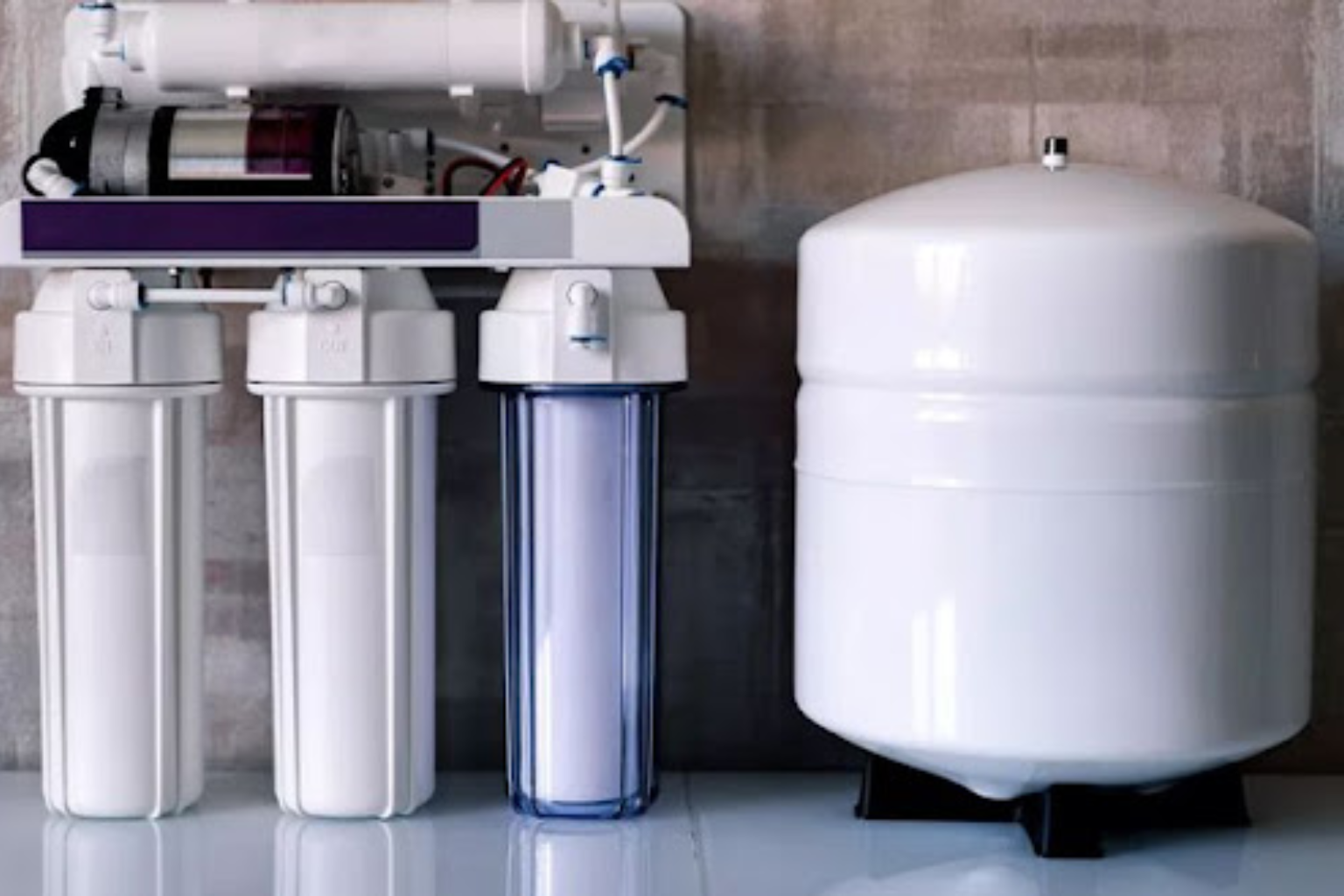
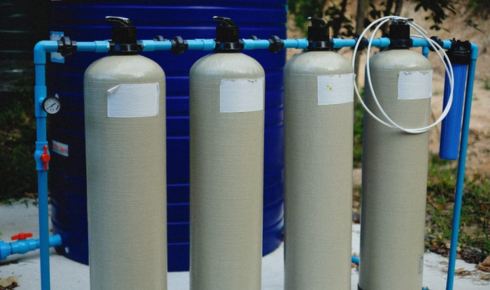
Modern water purification processes typically combine several stages. Sediment filters remove physical particles. Carbon layers capture chemical residues. Reverse osmosis membranes eliminate microscopic impurities and dissolved solids.
Together, these processes create a multi-layered treatment approach that ensures consistent water quality across different household uses.
Homeowners often appreciate the reliability of these systems, which operate quietly without requiring constant attention.
The Benefits That Extend Beyond Drinking Water
Improved water quality influences many aspects of home life that people don’t initially anticipate.
Cleaning becomes easier because treated water reduces residue on surfaces. Laundry feels softer when mineral content is balanced. Glassware stays clearer after washing, requiring less scrubbing.
Even personal care routines can change. Many homeowners report smoother skin and healthier hair when exposed to filtered water during bathing.
These subtle improvements accumulate into a more comfortable and efficient living environment.
Why Whole-Home Solutions Are Gaining Popularity
While under-sink filters address drinking water, many homeowners are now choosing broader solutions that treat water at the point of entry.
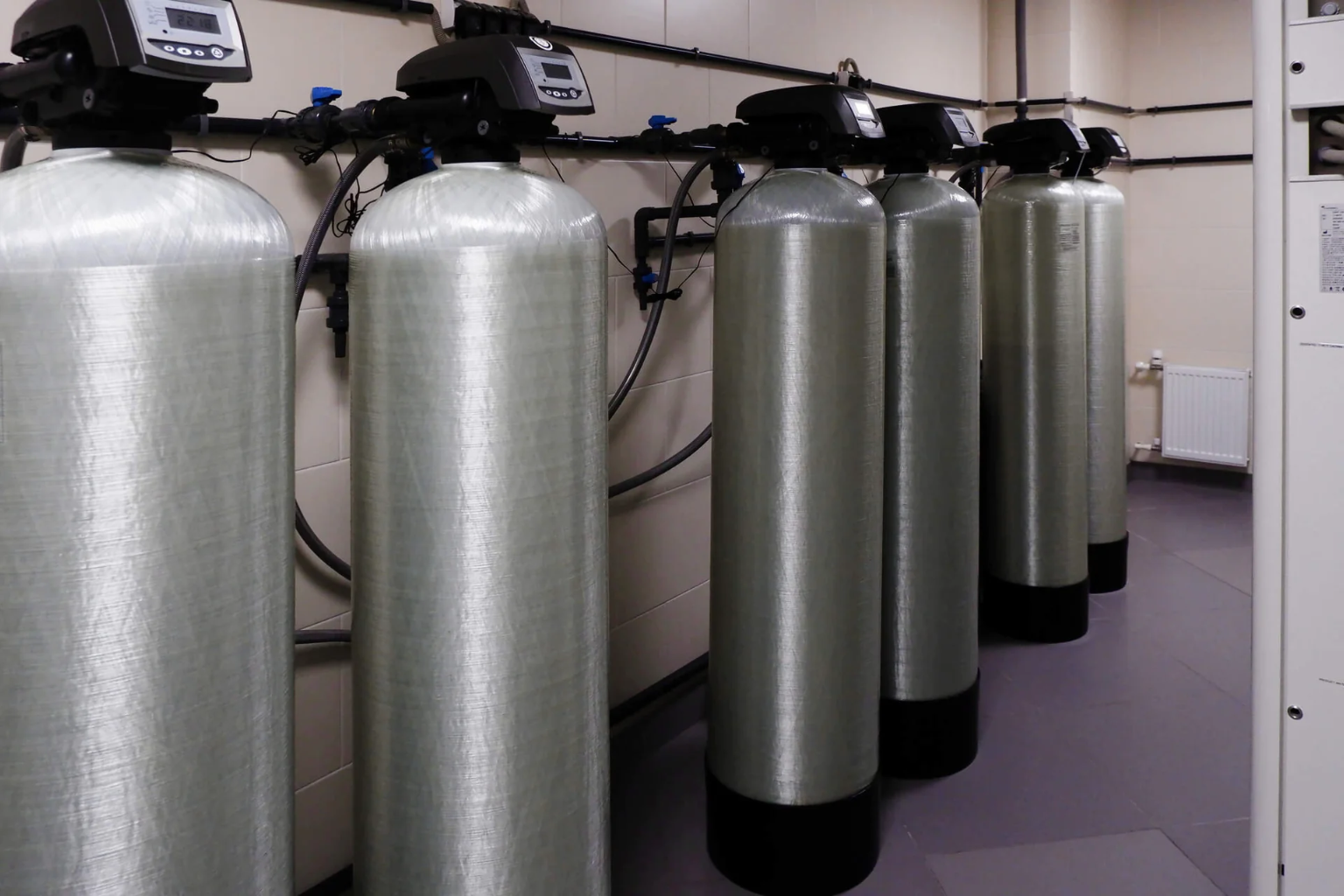
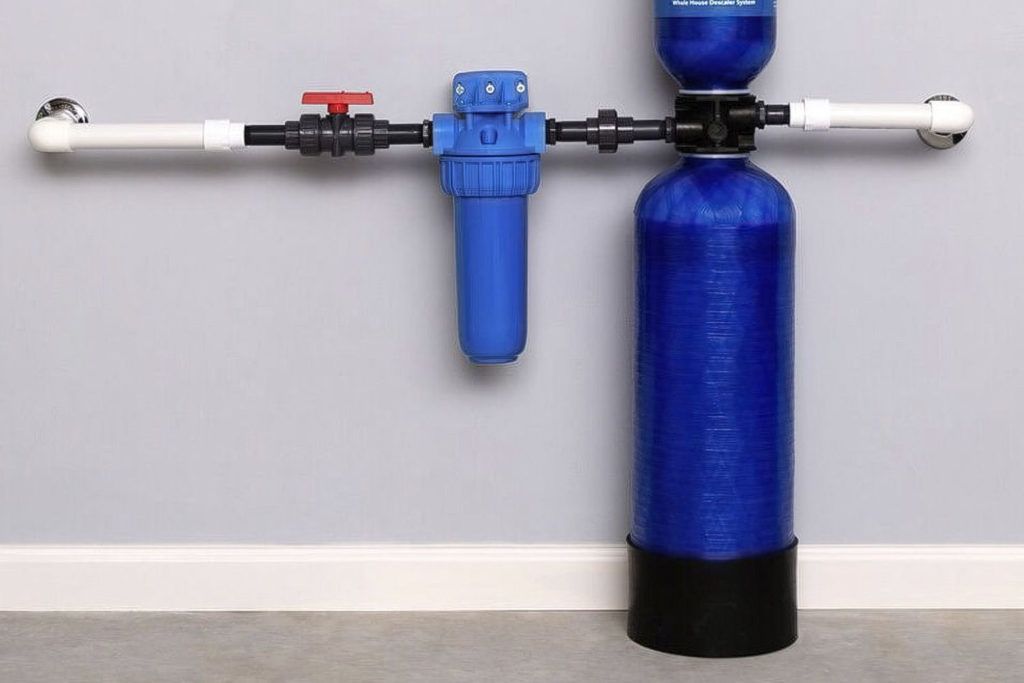
A comprehensive system ensures that every tap, appliance, and fixture receives filtered water.
This approach provides consistent quality throughout the home, protecting plumbing infrastructure and improving appliance performance.
By treating water before it circulates through the house, these systems help reduce scale buildup, extend equipment lifespan, and simplify maintenance routines.
The Emotional Value of Reliable Water Quality
Beyond practical advantages, there’s also a psychological aspect to water purification that often goes unnoticed.
When homeowners trust their water supply, they feel more comfortable using it for drinking, cooking, and personal care. This confidence removes an invisible layer of daily uncertainty.
Families no longer hesitate before filling a glass directly from the tap. They feel reassured that the water supporting their routines is clean and balanced.
Over time, this sense of reliability becomes part of what makes a home feel secure and well-maintained.
Small Steps That Lead to Long-Term Benefits
Improving water quality doesn’t require dramatic changes. Many homeowners begin by testing their water supply and identifying specific issues such as mineral hardness or chemical residues.
From there, they can choose filtration solutions tailored to their needs, whether point-of-use systems or whole-home installations.
Once implemented, these systems operate continuously in the background, delivering consistent benefits with minimal maintenance.
Over time, they help reduce appliance wear, improve energy efficiency, and enhance overall household performance.
A Home That Supports Daily Living
At its core, a home should provide more than physical shelter. It should create an environment that supports health, comfort, and everyday routines.
Clean, balanced water plays a fundamental role in achieving this goal. It influences hydration, food preparation, hygiene, and cleaning efficiency.
By investing in effective purification systems, homeowners create living spaces that feel smoother and more reliable.
The Quiet Transformation of Better Water
Perhaps the most remarkable aspect of modern water purification is how seamlessly it integrates into daily life.
Once filtration systems are in place, they work silently, ensuring consistent quality without disrupting routines.
And in the end, that quiet reliability is what makes them so valuable.
Because when your home’s water finally tastes fresh and feels balanced, it doesn’t just improve what flows from the tap — it transforms how everyday life feels, making routines easier, healthier, and far more comfortable over time.