
There’s something about clean water that feels like a deep breath on a crisp morning — pure, refreshing, and vital. Yet, for many households and rural properties, getting truly clean water isn’t as simple as turning on the tap. From sulfur smells to stubborn bacteria, groundwater and well systems often need a little help. That’s where a surprising hero comes in: peroxide.
Now, before you imagine bubbling wounds and antiseptic bottles, let’s pause. The kind of peroxide used in water systems isn’t quite what you keep in your medicine cabinet. But it’s close enough to raise an eyebrow — and for good reason.
The Problem We Don’t Always See (or Smell)
Let’s be honest, water problems aren’t always visible. Some people start noticing odd smells — like rotten eggs — or taste something metallic. Maybe a strange film builds up on shower doors or orange stains creep into sinks and tubs. Often, those are signs of excess iron, manganese, or hydrogen sulfide gas. Traditional filtration systems might help, but they don’t always solve the root issue.
This is where peroxide water treatment begins to shine. It’s like a deep clean for your water system — simple, effective, and surprisingly gentle on both your plumbing and the environment.
So, What Exactly Is Peroxide Water Treatment?
In the world of water purification, hydrogen peroxide (H₂O₂) is a bit of an unsung champion. It’s a powerful oxidizer — meaning it breaks down contaminants like iron, manganese, and that pesky hydrogen sulfide. Unlike chlorine, it doesn’t leave behind that chemical smell or taste. Instead, peroxide quickly decomposes into harmless oxygen and water. No residue. No drama.
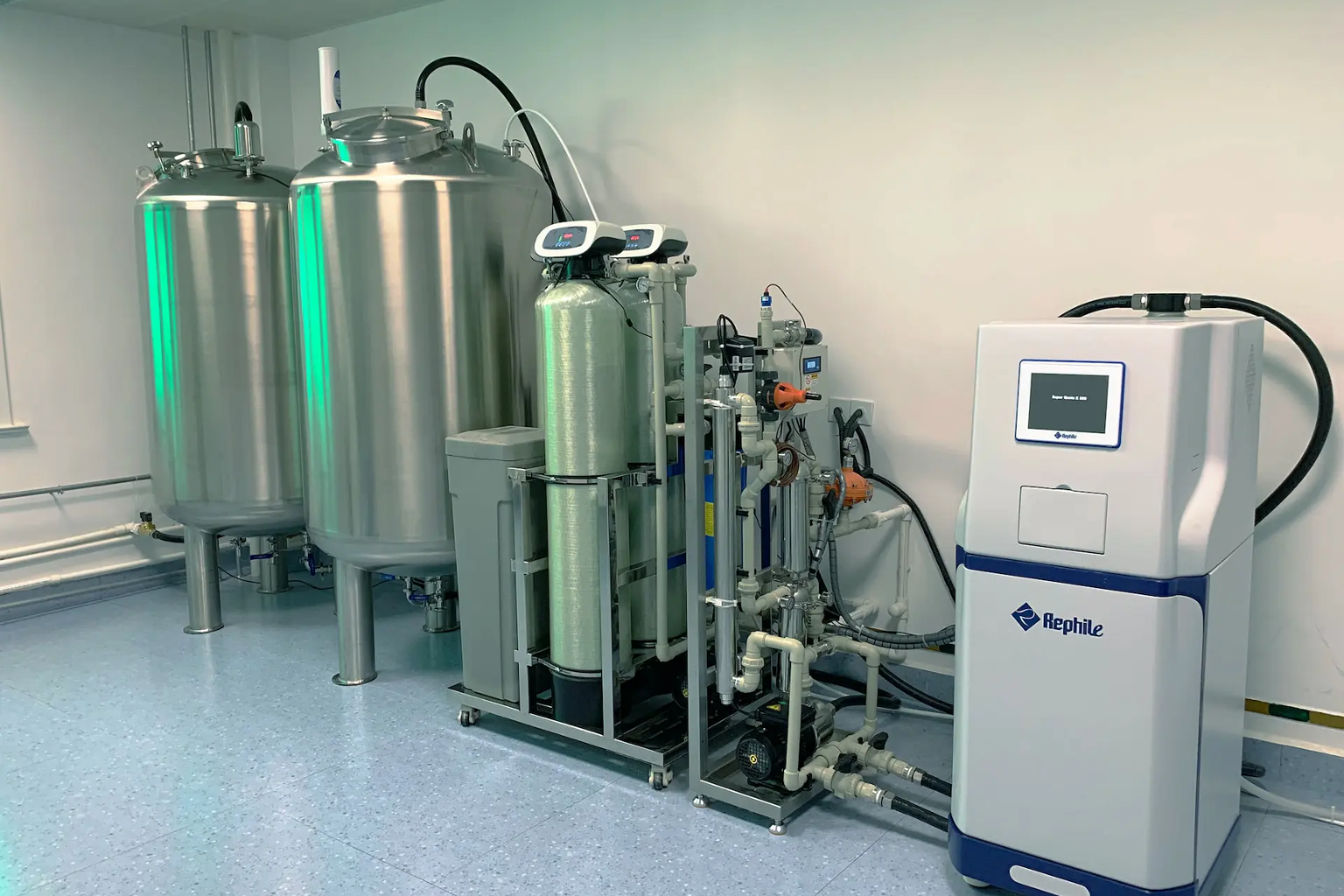
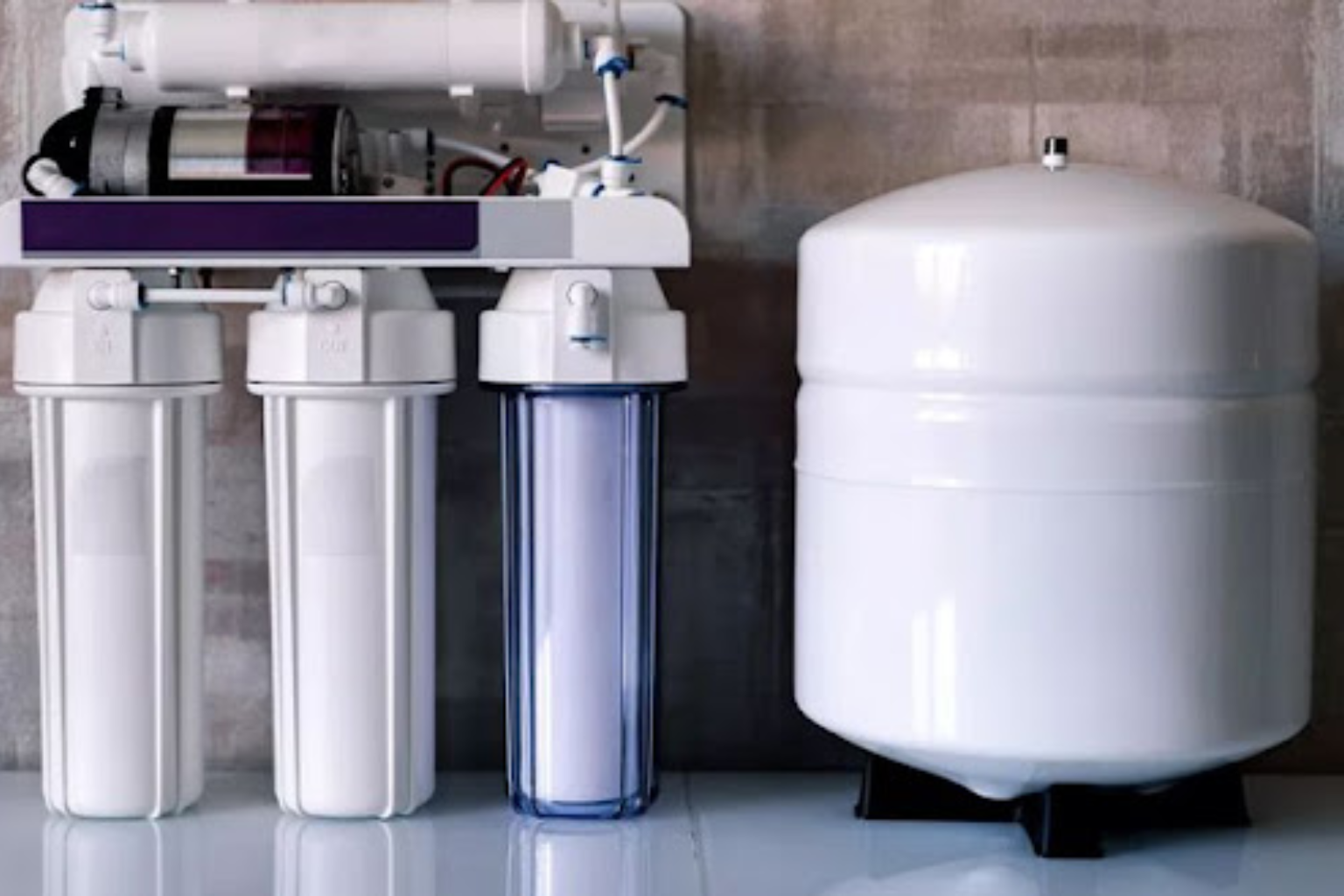
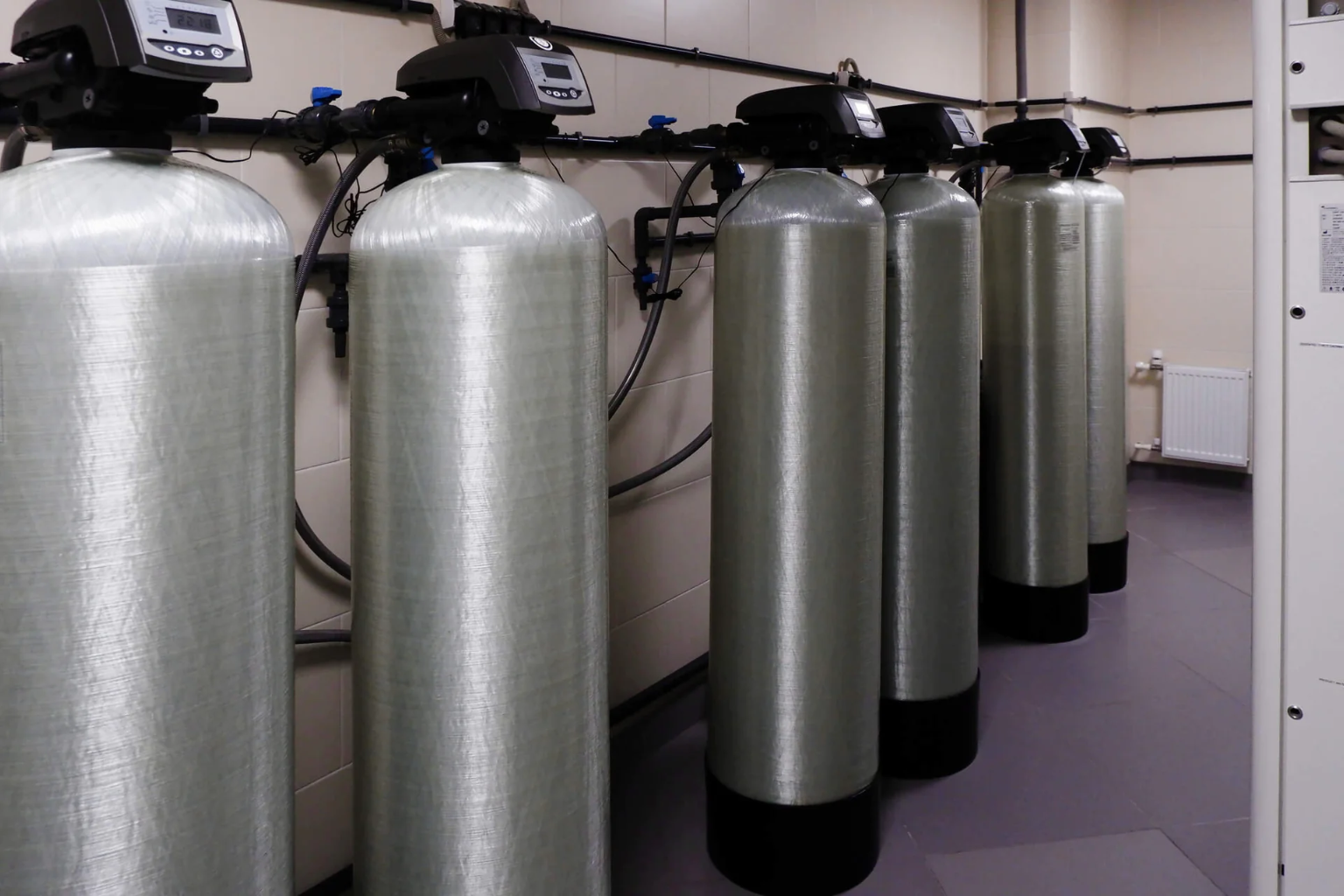
Using peroxide water in treatment systems often involves injecting a dilute solution into the water line ahead of filtration. As it oxidizes contaminants, the filter then traps the resulting particles, leaving you with clean, clear water that tastes like… well, nothing. And that’s the point.
A Better Alternative to Chlorine?
There’s an ongoing conversation in the water treatment world about natural vs. chemical solutions. Chlorine, for all its germ-killing power, comes with baggage — it can produce harmful byproducts, affect water taste, and pose health risks with long-term exposure.
Hydrogen peroxide offers a cleaner alternative. It’s strong enough to disinfect and oxidize, yet safe enough to break down into something as natural as air and water. Homeowners who switch often report improvements in water quality, smell, and even skin health after bathing in peroxide-treated water.
When used right, peroxide for water treatment doesn’t just clean the water — it restores confidence in what’s flowing through your pipes.
Common Uses and Real-Life Wins
Let’s bring it down to Earth. Here’s where peroxide really earns its stripes:
- Well Water Systems: Especially in rural areas, wells are notorious for bacteria, iron, and sulfur. Peroxide neutralizes them all.
- Irrigation and Greenhouses: Peroxide-treated water helps avoid root rot and pathogen spread, keeping plants happy.
- Livestock Water Supplies: Cleaner water means healthier animals — and fewer vet bills.
- Homeowners with Odor Issues: That sulfur smell can make water practically unusable. Peroxide fixes it, often overnight.
What makes it even more attractive is the simplicity of setup. Most peroxide treatment systems are automated and low-maintenance, with refillable tanks and dosage controls.
Safety, Storage, and What You Need to Know
Hydrogen peroxide isn’t without its quirks. Concentrated solutions (like 35%) are potent and need careful handling — think gloves, goggles, and proper ventilation. For residential use, most systems run on diluted peroxide (often around 7%) to strike a balance between safety and effectiveness.
Always store peroxide in a cool, dark place away from kids or pets. And if you’re not a DIY enthusiast, don’t worry — plenty of water specialists offer installation and support services.
Still, many homeowners love the peace of mind in knowing that they’re treating their water with something clean, simple, and powerful — without resorting to harsh chemicals.
Where to Start?
If this all sounds intriguing, you might be wondering where to begin. First, get a water test. It’s the only way to know what you’re dealing with — whether it’s sulfur, bacteria, or high iron levels. Then, talk to a treatment expert who understands peroxide-based systems. They’ll help determine the right size, dosage, and setup.
And when you’re ready to go all-in, the question becomes: where to buy peroxide for water treatment?
Many local water treatment companies offer food-grade peroxide in various concentrations. There are also online suppliers that ship nationwide. Just be sure you’re getting high-quality, appropriately diluted peroxide designed for water purification — not industrial-grade or household variants.
Wrapping It Up with a Splash of Common Sense
Look, clean water doesn’t have to be complicated. But it does have to be right for your home, your health, and your peace of mind. Whether you’re tired of sulfur smells, worried about well contamination, or just want a more natural approach, hydrogen peroxide deserves a seat at the table.
It’s not magic — it’s science that feels like common sense. And sometimes, the best solutions aren’t the flashiest. They’re just quietly effective.