
It’s one of those mornings. You’re half-asleep, fumbling your way into the shower, and then—bam! Ice-cold water. Not the jolt-you-awake kind. The rage-inducing, why-is-this-happening kind. We often take hot water for granted, right up until it decides to betray us. And let’s be honest, there’s rarely a convenient time for that betrayal.
Behind the scenes of our cozy, warm showers is a surprisingly complex system of heaters, thermostats, and plumbing that, like everything else in your home, needs a little love and attention. This piece isn’t just another how-to. It’s a real-world look at why your hot water might go rogue—and what you can do to prevent (or fix) the madness.
The Silent Hero: Your Water Heater
Your water heater works quietly in the background, doing its thing day in and day out. But like any hardworking appliance, it has its limits. One overlooked leak or missed service can snowball into a bigger issue—cue the freezing spray at 7 AM.
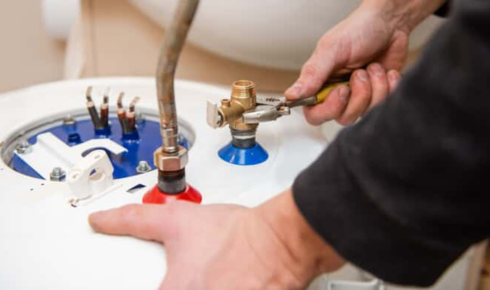
A failing water heater doesn’t always show dramatic symptoms at first. Maybe your water’s lukewarm. Or the heater’s making weird noises. Or—God forbid—you’re staring at a puddle pooling underneath it. That’s where timely hot water restoration comes into play. Whether it’s sediment buildup, a broken heating element, or pressure valve issues, jumping on the problem early can save you from a cold shower and a burned wallet.
The Unseen Enemy: Sediment Buildup
Let’s get a bit gross for a second. Over time, minerals from your water supply accumulate at the bottom of your water heater. That gunk forms a crusty layer that messes with heat transfer, shortens your tank’s lifespan, and even causes popping sounds when the water tries to push through the sediment.
Think of it like this—imagine trying to cook dinner with a thick sheet of burnt rice stuck to the bottom of your pan. It won’t end well, and your food won’t cook evenly.
That’s why plumbers often recommend a sediment flush at least once a year, especially if your area has hard water. It’s a simple step, but one that gets skipped more often than flossing at bedtime. And we all know how that turns out.
Thermostats: Not Just for Your Living Room
Most people associate thermostats with HVAC systems, but your water heater’s thermostat plays a vital role too. It’s what controls how hot your water gets. Too low, and you’re dealing with lukewarm letdowns. Too high, and you’re risking scalding temperatures—not ideal, especially if you’ve got kids at home.
But here’s the tricky part: when that thermostat malfunctions, it can be hard to spot. Sometimes it’s not reading the water temperature correctly. Sometimes it’s not switching the heating element on at all. And sometimes it just quits entirely.
This is where a professional thermostat repair becomes more than a nice-to-have—it’s essential. You don’t want to keep fiddling with the temperature dial, hoping it magically fixes itself. Spoiler: it won’t.
Quick Fixes vs. Long-Term Solutions
A lot of folks fall into the trap of googling DIY solutions the second something goes wrong. And hey, that’s not always bad. Resetting a tripped breaker? Go for it. Turning up the thermostat? Sure. But there’s a fine line between helpful and hazardous.
When it comes to hot water systems, small issues can be warning signs of deeper problems. That “funny smell” coming from your tap water? Might be bacteria. That rattle when the heater kicks in? Could be a failing element or loose parts. Quick fixes might work temporarily, but they often delay the inevitable—and sometimes worsen the damage.
In cases like these, calling a professional is more than just passing the buck. It’s about protecting your home’s plumbing, your family’s safety, and your monthly budget. Because what starts as a $30 part can snowball into a full unit replacement if left unchecked.
Maintenance: The Boring Secret to Long-Term Comfort
It’s not sexy. It’s not exciting. But scheduled maintenance is the single most important thing you can do for your water heater. Just like regular oil changes keep your car from breaking down, routine inspections and minor tweaks help your heater run longer, cleaner, and more efficiently.
Check for leaks. Flush the tank. Test the pressure release valve. Listen for odd noises. Make sure the area around your unit is clean and dry. These are all small actions that, when done consistently, can prevent costly repairs and cold morning shocks.
Also, keep track of your heater’s age. Most last around 8 to 12 years. If yours is hitting that upper limit, start planning for a replacement—even if it’s still working. Better to switch it out on your schedule than during a winter emergency.
Energy Efficiency: The Bonus Round
Let’s talk savings. A well-maintained water heater doesn’t just keep you warm—it saves you money. Efficiency drops when sediment builds up, when thermostats go bad, or when elements are out of sync. That means longer heating times, more energy usage, and higher bills.
Consider installing a timer or switching to a tankless model if you’re in an upgrade mindset. Tankless systems heat water on demand, reducing standby losses and giving you infinite hot water (yes, really). They’re a bit pricier upfront, but they make up for it with lower energy costs and longer lifespans.
Wrapping It Up: More Than Just Hot Water
At the end of the day, having reliable hot water isn’t just about comfort—it’s about quality of life. It’s about the little things: washing your hands on a cold day, bathing your kids before bedtime, cleaning dishes without freezing your fingers off.
So if you’ve noticed your system acting up lately, don’t shrug it off. Whether it’s time for a hot water restoration, a much-needed thermostat repair, or your annual sediment flush, investing a little now can save you from a whole world of trouble down the line.
And really—no one wants to be the person boiling water on the stove just to take a bath.
Final Thought
Home maintenance isn’t glamorous. But it’s the quiet work behind the scenes that keeps our lives running smoothly. The next time you step into a steamy shower or wash your face at night, spare a grateful thought for your water heater—and maybe show it a little TLC before it begs for help.