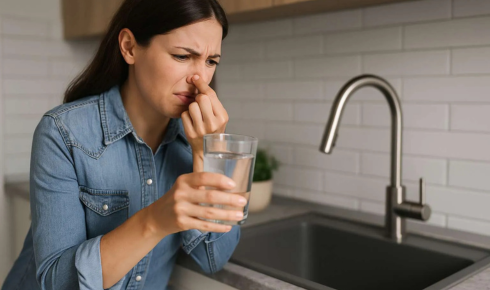


There’s a moment most homeowners experience at some point — usually a quiet one. You’re rinsing a glass, filling a kettle, or stepping into the shower, and something just feels… off. Maybe the water smells faintly chemical. Maybe your skin feels dry afterward. Maybe the dishes never seem completely clean, no matter how much soap you use.
At first, it’s easy to shrug it off. Water is water, right?
But over time, these small signs start to add up, and you realize that what’s flowing through your pipes isn’t always as simple — or as pure — as it appears.
And once that awareness kicks in, it changes how you look at something you once took completely for granted.
The Everyday Frustration of Mineral Buildup
One of the most common issues affecting households is something many people don’t even know has a name until they deal with it: hard water problems.
Hard water contains high levels of dissolved minerals like calcium and magnesium. These minerals aren’t dangerous to drink, but they can create a surprising number of daily inconveniences.
Soap doesn’t lather properly. Clothes come out of the wash feeling stiff. Showerheads clog with white residue. Appliances like dishwashers and water heaters lose efficiency faster.
It’s not dramatic or alarming — just quietly annoying. Yet over time, these little frustrations add up to real costs, from higher energy bills to more frequent appliance repairs.
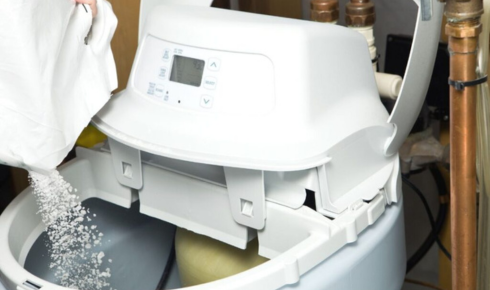
Many homeowners don’t realize how much hard water affects their daily routines until they experience softened water for the first time. Suddenly, soap rinses cleanly, surfaces stay spotless longer, and skin feels noticeably smoother.
It’s one of those subtle upgrades that feels surprisingly life-changing.
The Invisible Presence of Chemical Disinfectants
Beyond minerals, many municipal water systems add chemicals to protect public health. Chlorine, in particular, plays a critical role in preventing harmful bacteria from spreading through water supplies.
But while chlorine is effective at disinfection, it isn’t always pleasant.
Some people notice its sharp smell immediately — especially when running hot water or taking long showers. Others experience dry skin, brittle hair, or a slightly altered taste in drinking water.
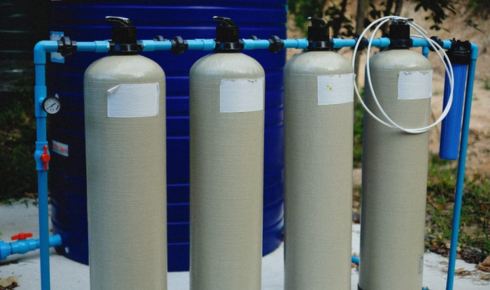
This is where chlorine removal becomes an important consideration. Advanced filtration systems can significantly reduce chlorine levels, improving both taste and comfort.
Interestingly, many people don’t realize how strong chlorine’s impact is until they remove it. Once filtered, water often tastes cleaner, feels gentler on skin, and even improves the flavor of cooked food.
It’s not about eliminating something dangerous — it’s about restoring water to a more natural state.
The Growing Concern Over Emerging Contaminants
In recent years, a new category of water safety concerns has gained attention: PFAS, often called “forever chemicals.”
These substances are used in industrial processes and consumer products because they resist heat, water, and grease. Unfortunately, they also resist natural breakdown, meaning they can persist in the environment — and in water supplies — for decades.
Health experts continue to study their long-term effects, but early research suggests potential links to various health risks. As a result, many homeowners are seeking ways to ensure pfas reduction in their household water.
Advanced filtration technologies, including activated carbon systems and reverse osmosis, have proven effective at reducing PFAS levels significantly.
For many families, addressing this issue isn’t just about technology — it’s about reassurance. Knowing your drinking water is free from emerging contaminants provides a sense of security that’s hard to quantify but deeply valued.
The Emotional Connection to Clean Water
Water isn’t just a utility. It’s deeply tied to comfort, health, and daily rituals.
It’s the first sip in the morning.
The warm shower after a stressful day.
The quiet act of cooking for loved ones.
When water quality is compromised, even slightly, it affects these routines in subtle but meaningful ways. People often describe feeling uneasy when they suspect something isn’t right with their water, even if the issue isn’t dangerous.
Improving water quality restores more than physical comfort — it restores confidence.
And confidence in something as essential as water has a surprisingly powerful emotional impact.
Small Steps That Create Lasting Improvements
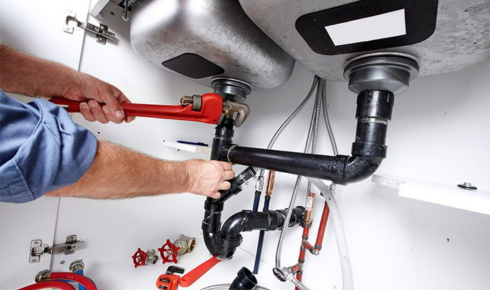
Addressing water quality doesn’t always require complex systems or major investments. In many cases, simple steps like water testing, installing targeted filtration, and maintaining plumbing infrastructure can significantly improve conditions.
The key is awareness — understanding what’s in your water and identifying which issues matter most for your household.
Once homeowners take that first step, they often discover that improving water quality is far more achievable than they initially thought.
And the long-term benefits, both practical and emotional, make the effort worthwhile.
A Thoughtful Ending: Rediscovering Trust in Everyday Essentials
Water is so deeply woven into daily life that we rarely stop to appreciate its importance — until something disrupts our trust in it.
But taking the time to understand and improve water quality isn’t about fear or overreaction. It’s about thoughtful living. It’s about recognizing that something as simple as clean water plays a profound role in health, comfort, and peace of mind.