

There’s a distinct moment many new Florida homeowners face — you walk into the bathroom, turn on the faucet, and boom. A smell like rotten eggs slaps you in the face. It’s not the pipes. It’s not your imagination. It’s sulfur. Welcome to one of Florida’s lesser-known quirks: sulfur water.
If you’re new here, or just started noticing something off with your tap water, you’re not alone. Many Florida residents have spent years battling this invisible foe — and if you’re like me, you’ve probably stood there wondering, “Is this even safe?” Let’s dive into what’s really going on with Florida’s water and that unmistakable odor.
The Science Behind the Stink
Okay, so first thing’s first — what’s actually causing the smell? That “rotten egg” aroma typically comes from hydrogen sulfide gas, a naturally occurring compound found in groundwater. In places like Florida, where underground aquifers and wells supply much of the residential water, this gas can seep in during the water’s underground journey. It’s not some industrial spill or weird pollution. It’s nature doing its thing — inconveniently.
Here’s the kicker: hydrogen sulfide is completely safe at the levels usually found in Florida homes. It’s gross, sure. But it won’t poison your coffee or ruin your health. What it will do is drive you nuts when you’re brushing your teeth or taking a shower.
Homeowners using well systems are especially prone to the problem. City water users? Not immune either, but it’s far less common. Florida sulfur water is most notorious in private well areas — and if you’ve ever visited a rural home and caught that scent in the shower steam, now you know.
Everyday Life with Sulfur Water
Now let’s get real for a minute. Living with sulfur water isn’t the end of the world — but it’s definitely a thing. Your shampoo might never quite smell like it should. Coffee brewed with sulfur-rich water? Not great. And your guests? They’ll notice. Oh, they’ll definitely notice.
One friend of mine actually had a ritual — she’d fill jugs of store-bought water for everything from drinking to cooking, while her taps were reserved strictly for dishes and laundry. Excessive? Maybe. Understandable? Totally.
Here’s the worst part: sulfur water tends to fluctuate. Some days it’s barely noticeable. Other days, it’s like a full-blown swamp sauna in your bathroom. And yes, that inconsistency makes it all the more maddening.
So… What Does Florida Water Smell Like, Really?
This question seems to pop up a lot online — what does Florida water smell like?
Well, it depends where you are. Florida isn’t a one-size-fits-all kind of state. In some coastal towns, the water smells clean, fresh, even slightly briny. But in inland areas with lots of wells or mineral-heavy soil? That’s where the sulfur kicks in. You might catch whiffs of eggs, metal, or even that damp-basement scent nobody really wants.
The smell might not even come from the water itself but from the interaction between sulfur compounds and your home’s plumbing system, especially if there’s old iron piping involved. The gas reacts with certain metals, amplifying the odor. It’s like your bathroom is conducting a science experiment every time you take a hot shower.
Dealing with Sulfur Water Without Losing Your Mind
So what’s the fix? Thankfully, you’ve got options.
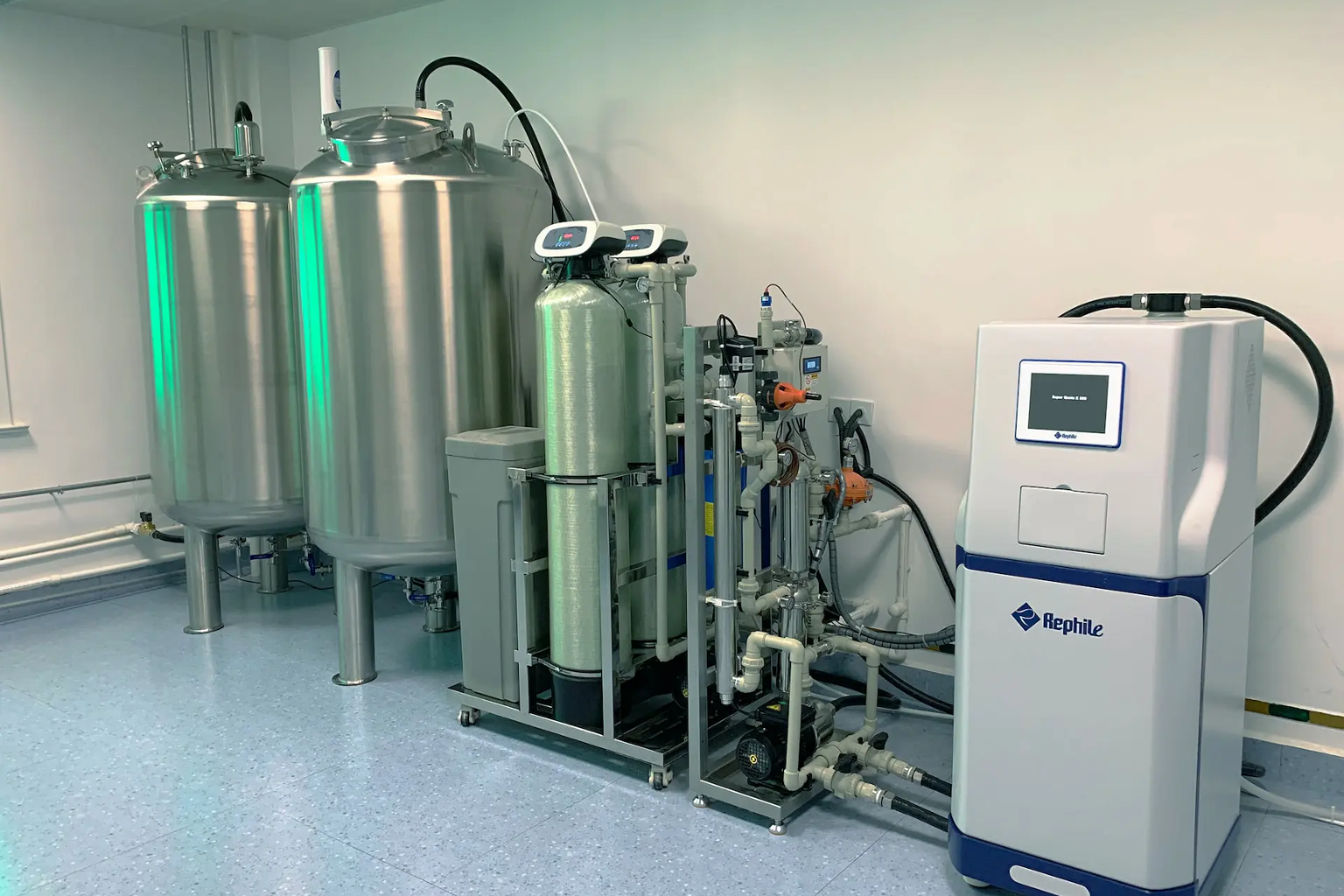
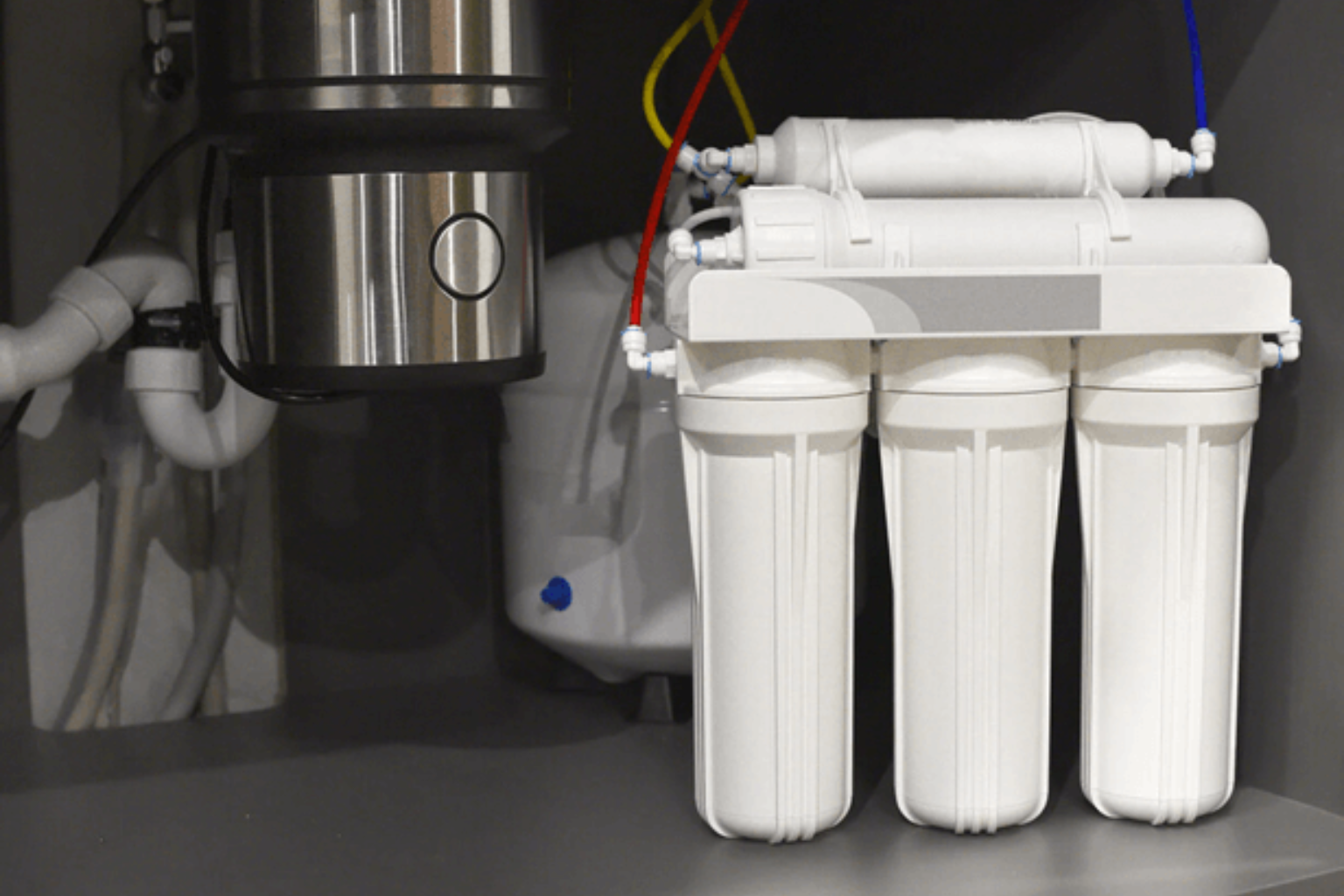
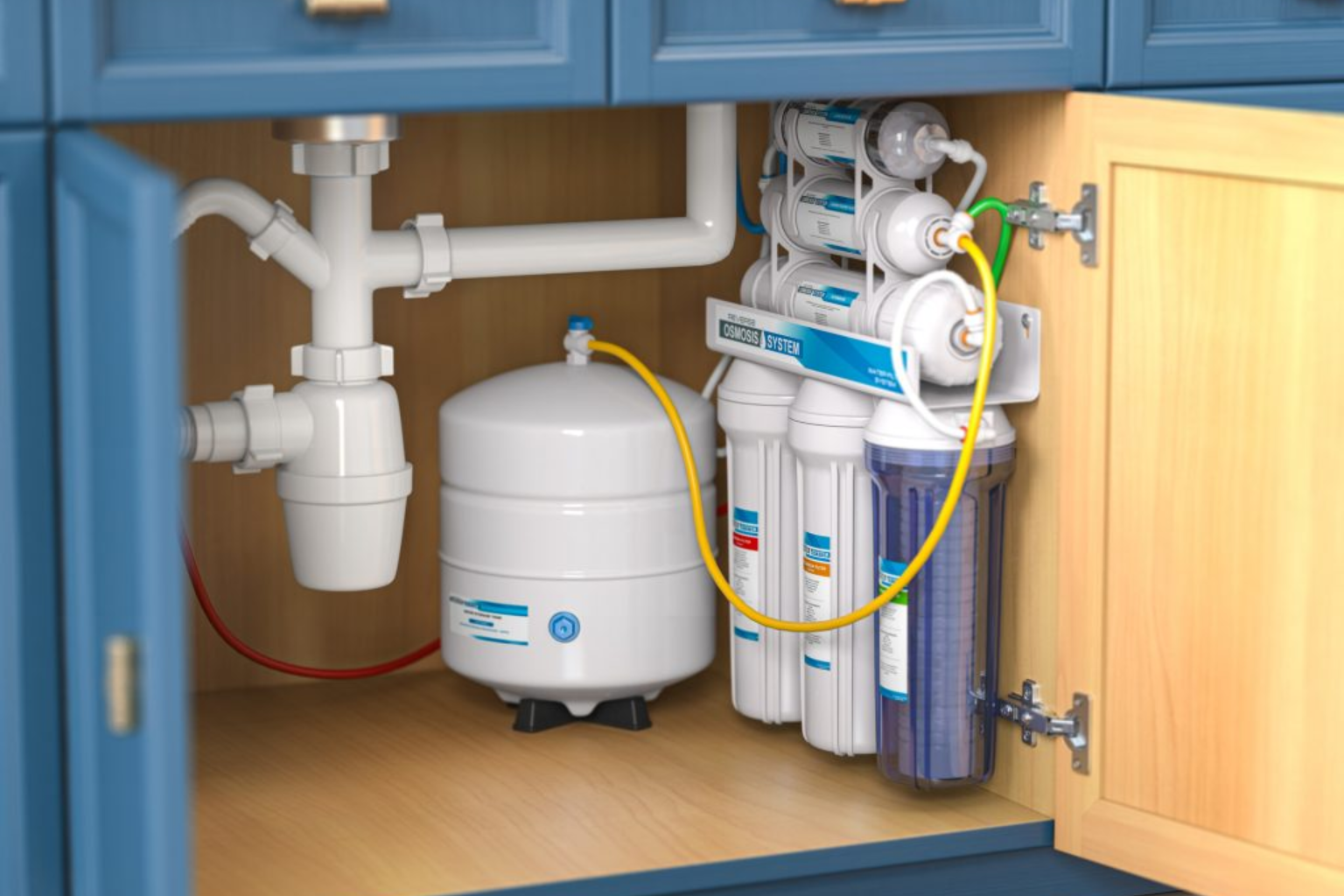
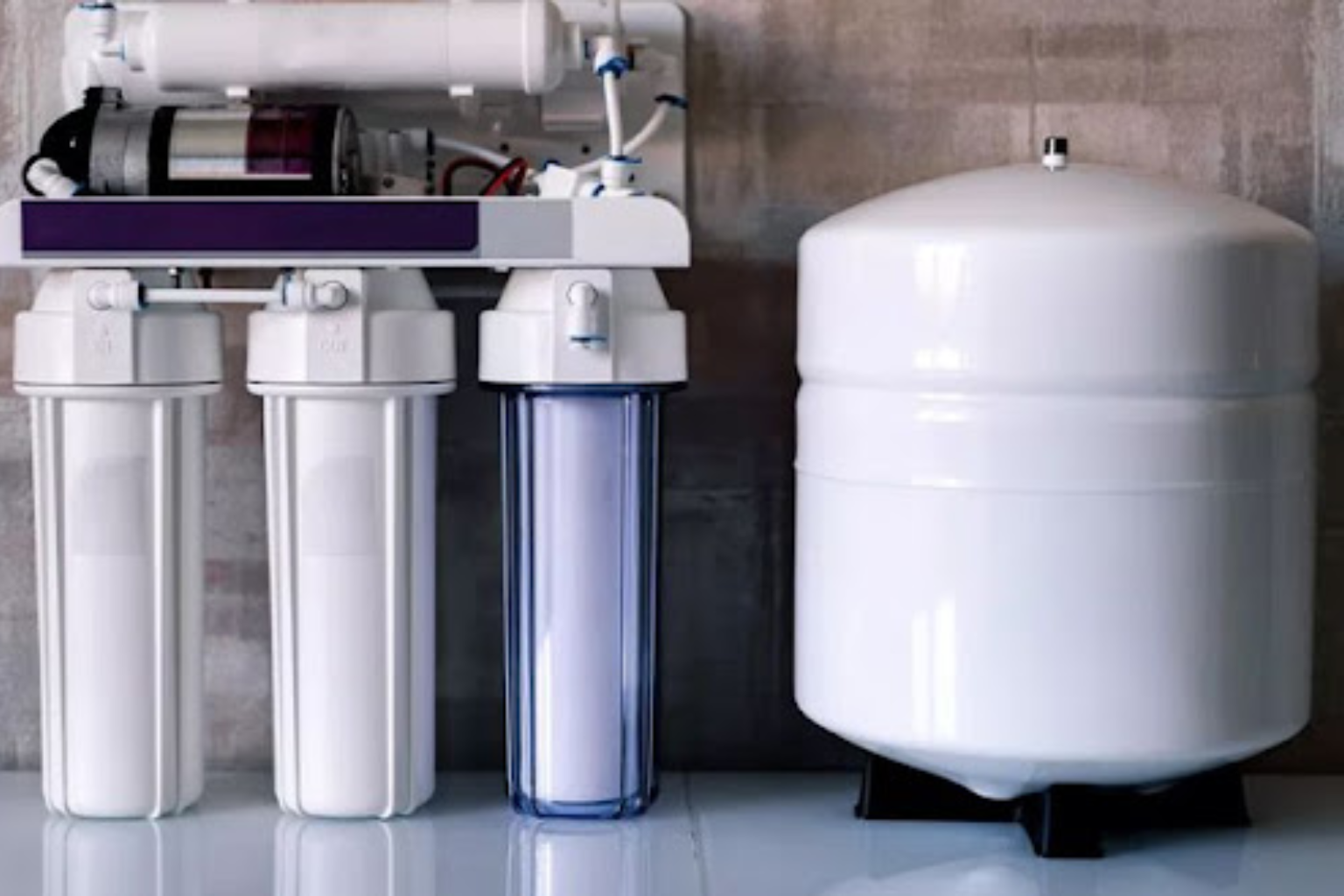
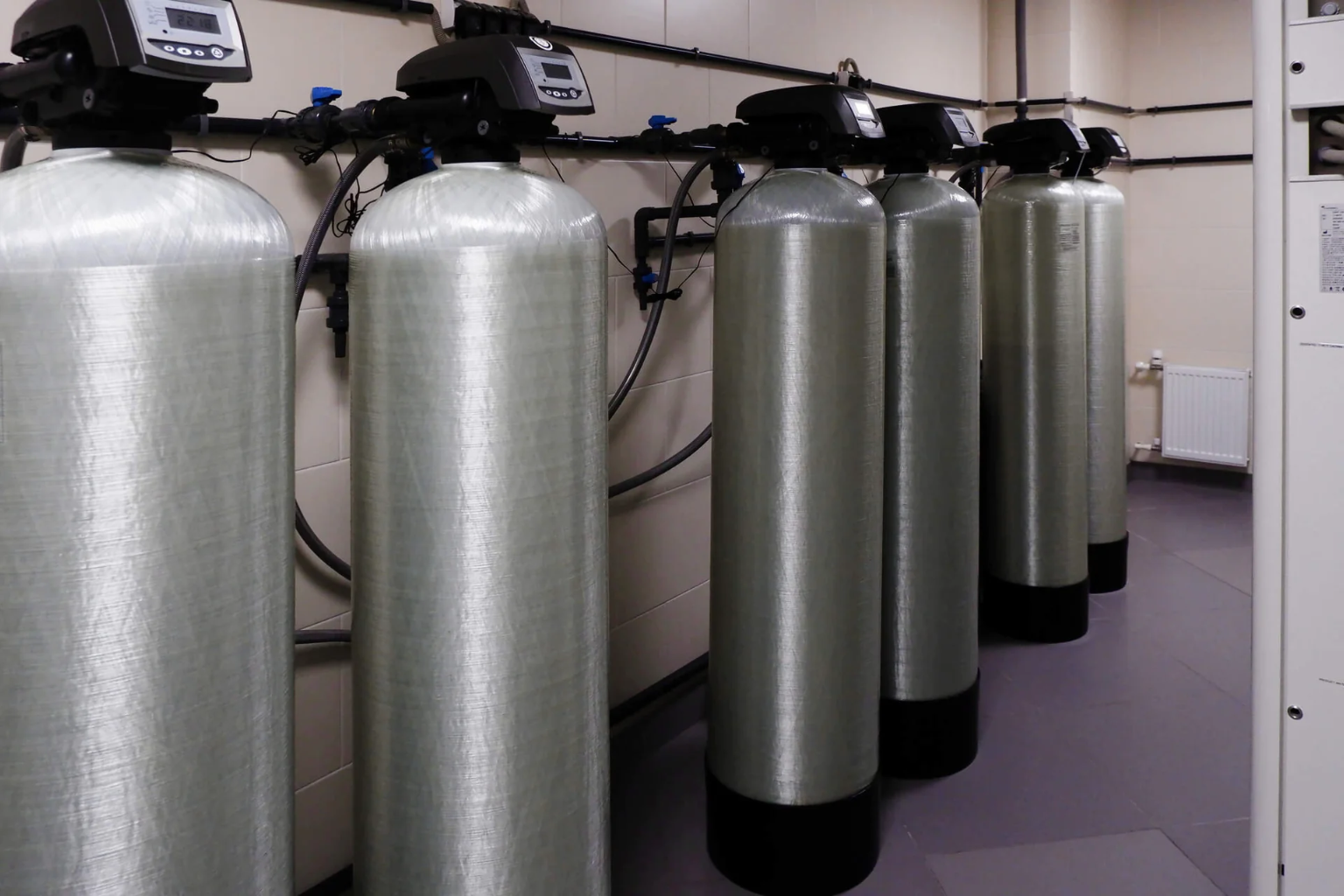
- Activated Carbon Filters – These are often your first line of defense. They’re affordable, effective, and can be attached to individual faucets or whole-house systems. They trap the sulfur compounds and neutralize the smell before it reaches your glass.
- Aeration Systems – These introduce oxygen into the water, causing hydrogen sulfide gas to evaporate. It’s clever, quiet, and works well in many Florida homes.
- Chlorination – Not always the fan-favorite because, well, who wants chlorine in their water? But it’s a heavy hitter that kills sulfur bacteria and zaps that smell quickly.
- Shock Treatments for Wells – If your home runs on well water, giving your well a chlorine shock every so often can make a big difference. It’s kind of like rebooting your Wi-Fi — disruptive but effective.
If you’re dealing with sulfur water Florida-style, you don’t have to suffer. The technology is there. And while it might take a bit of trial and error (and a few raised eyebrows from plumbers), you can get your water smelling normal again.
The Hidden Costs of Doing Nothing
Here’s the thing — ignoring sulfur water might save you a few bucks now, but in the long run? Not so much. Hydrogen sulfide is corrosive. Over time, it can damage your pipes, stain your sinks, and wear down appliances. Not to mention the psychological toll of smelling eggs every time you bathe. There’s a reason people invest in filtration — it’s not just about taste, it’s about sanity and long-term cost.
Some insurance plans even exclude damage caused by poor water quality, so if you’re a homeowner, it’s worth checking your coverage. Prevention is cheaper than replacement — especially when you’re talking about water heaters and plumbing systems.
Let’s Talk Tests — Because You Should
Still unsure what’s going on in your water? Get it tested. Many counties in Florida offer water testing services, and private labs aren’t too pricey either. You don’t need to guess. You shouldn’t have to guess. A free water test might even be available through local filtration companies trying to earn your business.
Testing will tell you how much hydrogen sulfide is present, whether you’ve got iron or manganese tagging along, and if there are any bacteria hitching a ride too. It’s like a blood test for your plumbing system — weirdly satisfying and extremely helpful.
Final Thoughts
Living in Florida comes with its fair share of trade-offs. Beautiful beaches? Check. Year-round sunshine? You got it. But water that smells like it came from the bowels of a volcano? Yeah, sometimes that’s part of the deal too.
Still, you’ve got options. Sulfur water isn’t permanent, and you don’t have to just “deal with it.” Get your water tested, explore your treatment options, and don’t be afraid to ask your neighbors what they’re using. Chances are, they’ve battled the same beast and have some wisdom to share.
You deserve better than gagging every time you wash your hands. Don’t let a naturally occurring (but totally annoying) compound ruin your Florida home experience. It’s fixable. It’s manageable. And once it’s handled, you might just fall in love with your tap water all over again.