
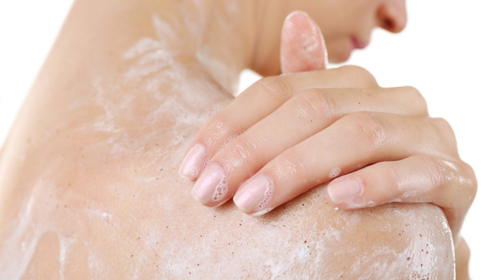
Ever stepped out of the shower only to find your skin feeling tight, itchy, and dry no matter how much you moisturize? Or scrubbed your bathroom mirror only to have it mocked by cloudy streaks hours later? Yep—there’s a sneaky culprit in many homes, and it flows right out of your taps. It’s called hard water, and even though it doesn’t smell, sting, or shout, it’s likely causing more trouble than you think.
Let’s break down the not-so-obvious ways hard water messes with your daily life—and more importantly, what you can actually do to fix it.
The Not-So-Innocent Splash on Your Mirror
At first glance, hard water just looks… well, like water. But the high concentration of minerals—mainly calcium and magnesium—leave behind all sorts of sneaky little souvenirs. One of the most annoying? Water spots.
These chalky, ghost-like stains on your faucets, mirrors, and glass shower doors aren’t just ugly—they’re also stubborn. No matter how much you wipe, buff, or spray, they always seem to come back. And it’s not your cleaning game that’s failing—it’s the water itself.
Hard water droplets dry up quickly, leaving behind those dissolved minerals. They bond with the surfaces like they’ve found their forever home. Over time, this buildup can dull surfaces, damage finishes, and even corrode plumbing if you let it go long enough.
That Film in the Shower? It’s Not Just Dirt
We’ve all done it—scrubbed the bathtub only to realize that the gritty film on the tile and walls isn’t going anywhere. That filmy residue that refuses to budge? That’s soap scum.
Here’s the science behind it: When soap meets hard water, the minerals react with the soap’s fatty acids, forming a sticky, almost glue-like substance. This gunk sticks to everything—bathtubs, tiles, shower curtains, you name it. Worse? If you don’t tackle it regularly, it layers up like sedimentary rock.
You may notice that even your shampoo doesn’t lather like it should. That’s because hard water makes soap less effective. You end up using more product for less satisfaction. Great for shampoo companies, not so great for your wallet.
Your Skin Is Crying for Help (Even If You Don’t Feel It Right Away)
Now, let’s talk about the real victim here—your skin. If you’ve been dealing with flakiness, itchiness, or that strange “tight” feeling after a shower, chances are you’ve encountered dry skin hard water problems without even knowing it.
Here’s the thing: those same minerals that leave marks on your glass and gunk up your tub? They stick to your skin too. They leave behind a residue that clogs pores and strips your skin’s natural oils. It’s especially problematic for people with sensitive skin, eczema, or other skin conditions.
Kids and babies, with their delicate skin, often suffer the most. No matter how fancy your body lotion is, if you’re rinsing off in hard water every day, you’re fighting a losing battle.
It Doesn’t Stop With You—Your Clothes and Appliances Are Suffering Too
Ever wonder why your once-fluffy towels feel scratchy, even when they’re freshly washed? Hard water is the likely culprit. All those minerals stiffen fabric, fade colors, and cause detergent buildup. Over time, your clothes wear out faster, and your washing machine has to work overtime.
The same goes for your dishwasher. Mineral deposits can build up inside, reducing efficiency and leading to cloudy dishes. Even your water heater isn’t safe—scale buildup can make it less effective, increasing energy bills and reducing its lifespan.
Hard water doesn’t just inconvenience you—it’s actively costing you money.
Okay, So Now What? Here’s How to Fight Back
The good news? You’re not stuck with hard water forever.
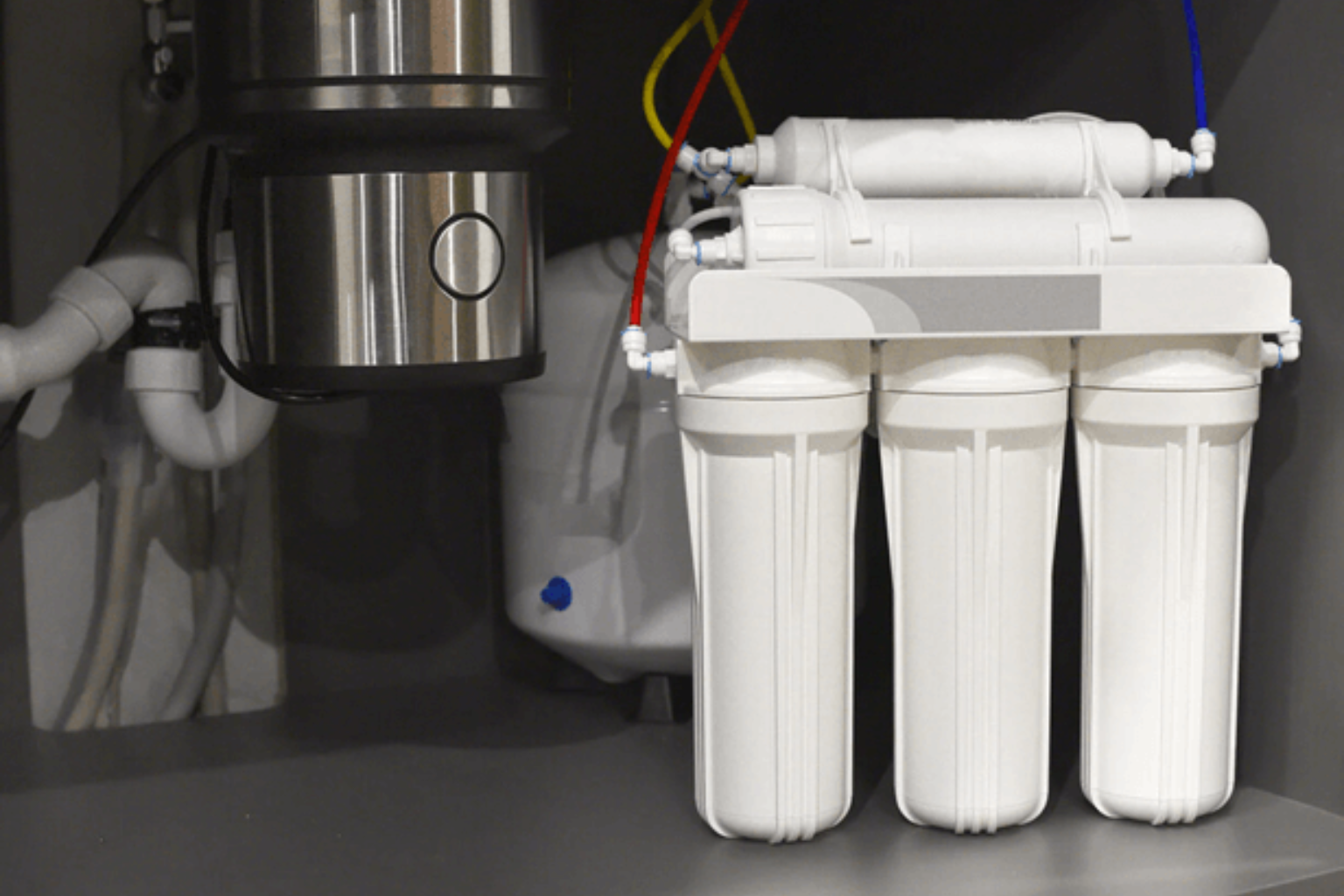
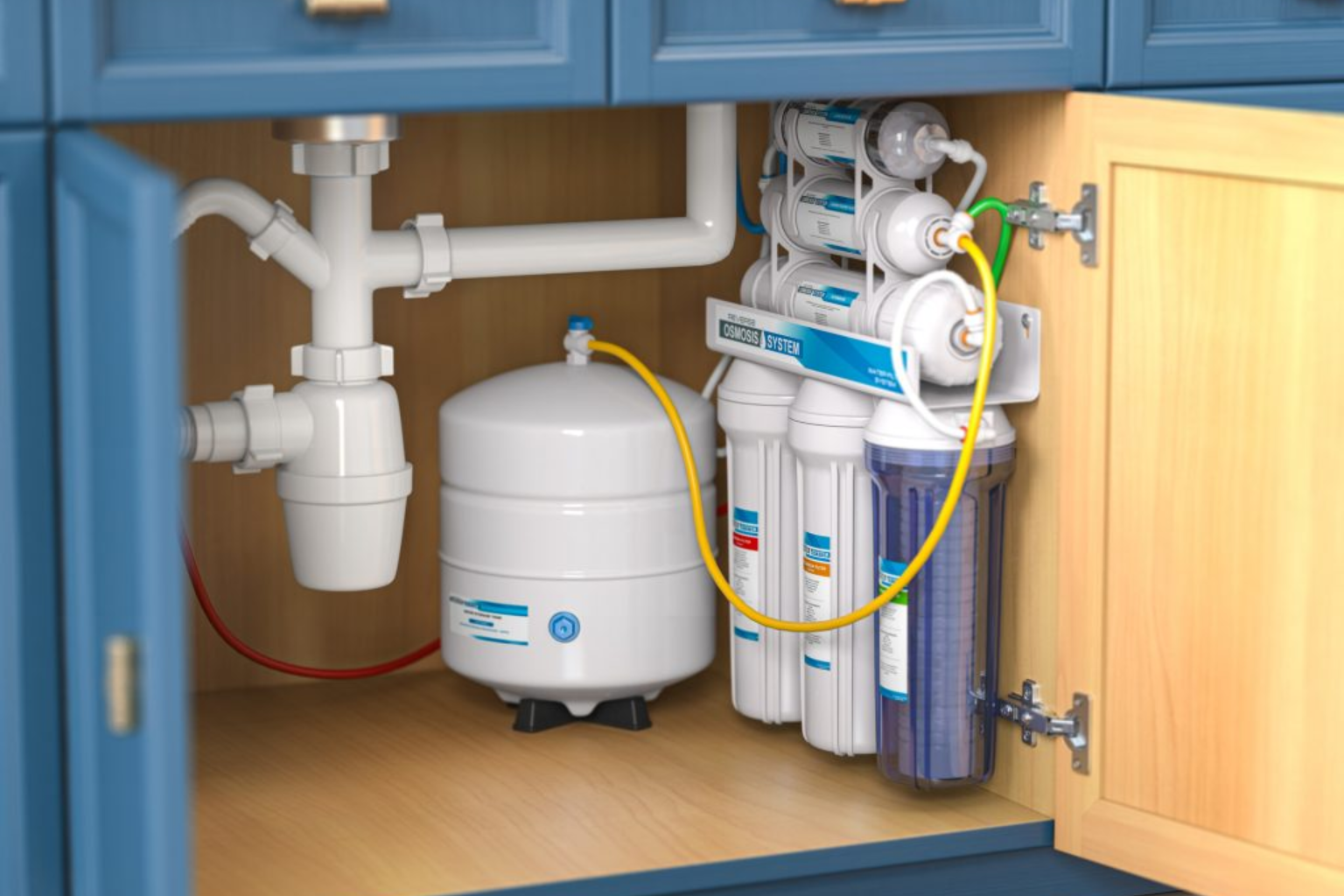
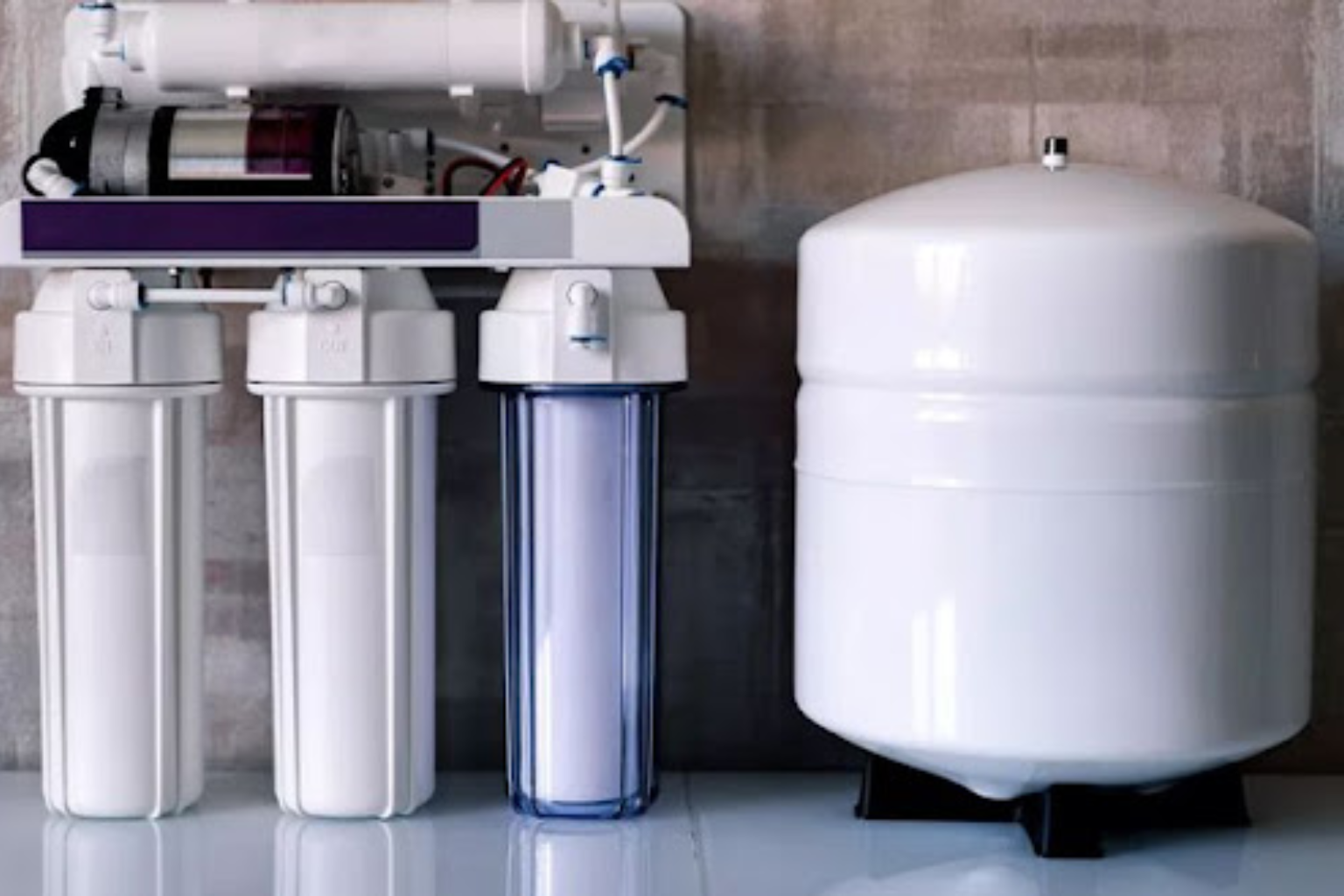
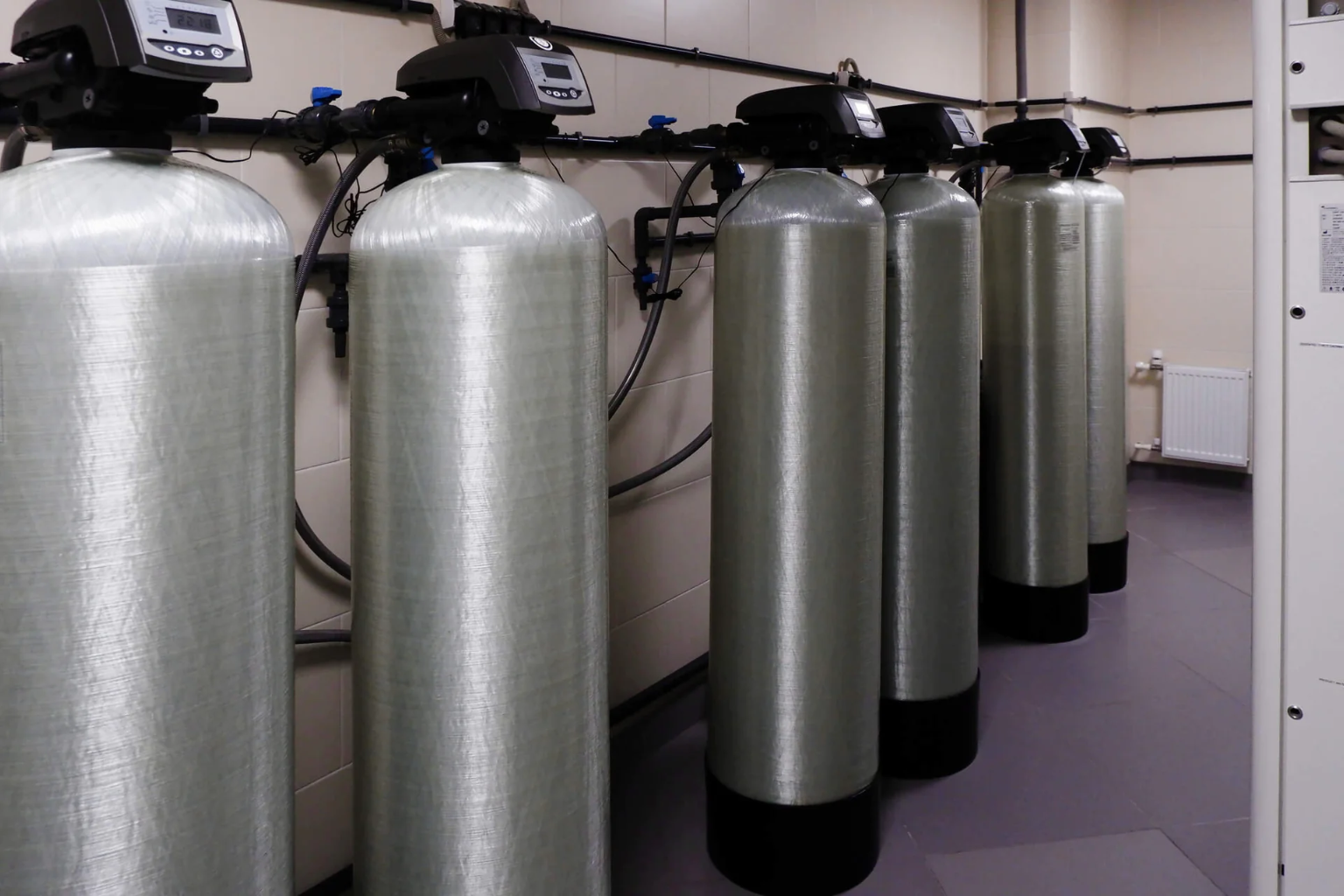
Install a water softener. That’s the big one. Water softeners use salt or other processes to remove excess calcium and magnesium, giving you clean, soft water that rinses clean and doesn’t leave behind those mineral souvenirs.
Yes, it’s an investment—but one that pays off over time. Think lower energy bills, longer appliance lifespans, better skin, and less time spent scrubbing impossible stains.
If a full home system isn’t in the cards, try these smaller fixes:
- Use vinegar to remove mineral buildup. It’s a natural acid and works wonders on faucets and showerheads.
- Install showerhead filters. These are relatively inexpensive and help filter out some of the minerals that irritate your skin and hair.
- Switch to soap designed for hard water. There are special formulas that lather better and leave less residue.
- Moisturize immediately after bathing. Lock in whatever hydration your skin managed to get before the mineral residue starts to mess things up again.
Don’t Wait Until It’s a Bigger Problem
One of the most frustrating things about hard water is how quietly it causes damage. It doesn’t flood your basement or blow a fuse—it just slowly ruins the comfort, cleanliness, and efficiency of your home.
People often spend months (or years) dealing with constant cleaning battles, skin issues, and appliance problems without realizing it’s all connected to the same root cause. The switch to soft water can feel like a revelation.
A Final Thought
We spend so much time worrying about what we put into our bodies—eating clean, drinking filtered water, avoiding certain ingredients. But when it comes to what we bathe in, wash our dishes with, or use on our clothes, we rarely give it a second thought. That’s where hard water hides.
It’s easy to overlook because it’s silent and slow. But once you notice the signs—constant water spots, recurring soap scum, and persistent dry skin hard water issues—you can’t unsee them.
Thankfully, solutions are out there. Whether you go all-in with a whole-home softener or make smaller changes, your home (and your body) will thank you for softening the blow—literally.