There’s a funny thing about water heaters—they’re incredibly important, yet they spend their entire lives hidden away in garages, basements, or utility closets where hardly anyone looks at them. As long as warm water flows from the tap, they’re easy to forget.
Until one morning, of course, when the shower suddenly turns ice cold.
That moment usually comes as a surprise, but in reality, most water heaters don’t fail without warning. They whisper before they shout. Strange noises, inconsistent temperatures, rusty water, or rising utility bills often appear weeks or even months before a complete breakdown.
Paying attention to those early warning signs can save homeowners from expensive repairs, unnecessary stress, and a whole lot of inconvenience.
Every Water Heater Has a Lifespan
No appliance lasts forever, no matter how well it’s built.
Traditional storage tank water heaters generally serve homeowners for around ten to fifteen years. Tankless systems can last considerably longer with proper maintenance, but they also require periodic servicing to stay efficient.
Daily use slowly wears down heating elements, valves, thermostats, burners, and internal components. That’s simply part of normal operation.
The difference between a system that lasts ten years and one that lasts fifteen often comes down to regular maintenance rather than luck.
Small Problems Usually Grow Over Time
One of the biggest mistakes homeowners make is assuming minor changes aren’t worth worrying about.
Maybe the hot water doesn’t last quite as long. Perhaps the tank makes popping sounds every evening. Sometimes the temperature changes unexpectedly halfway through a shower.
These aren’t random quirks.
They’re often early indicators of water heater issues that deserve attention before they develop into complete equipment failure.
Mineral buildup, aging heating elements, thermostat problems, sediment accumulation, and pressure valve concerns typically begin as relatively inexpensive fixes. Waiting too long allows them to become much larger—and more expensive—problems.
Why Sediment Causes So Many Problems
If your home has hard water, minerals naturally settle inside the tank as water heats.
Over time, layers of calcium and magnesium collect along the bottom, creating insulation between the burner and the water above it. As a result, the heater must work harder and run longer just to produce the same amount of hot water.
You may notice rumbling, knocking, or crackling sounds during heating cycles.
Those noises occur because water becomes trapped beneath hardened sediment before escaping as steam bubbles.
Regular flushing removes much of this buildup, improving both efficiency and system longevity.
Energy Bills Can Reveal Hidden Trouble
Many people blame higher utility bills entirely on rising energy prices.
Sometimes that’s true.
But an inefficient water heater can quietly consume far more electricity or gas than necessary. Dirty burners, failing heating elements, sediment accumulation, or faulty thermostats all force the equipment to operate longer than normal.
The increase may happen gradually enough that homeowners never connect it to the water heater.
Routine inspections often identify these efficiency losses long before they become obvious.
Professional Experience Makes a Difference
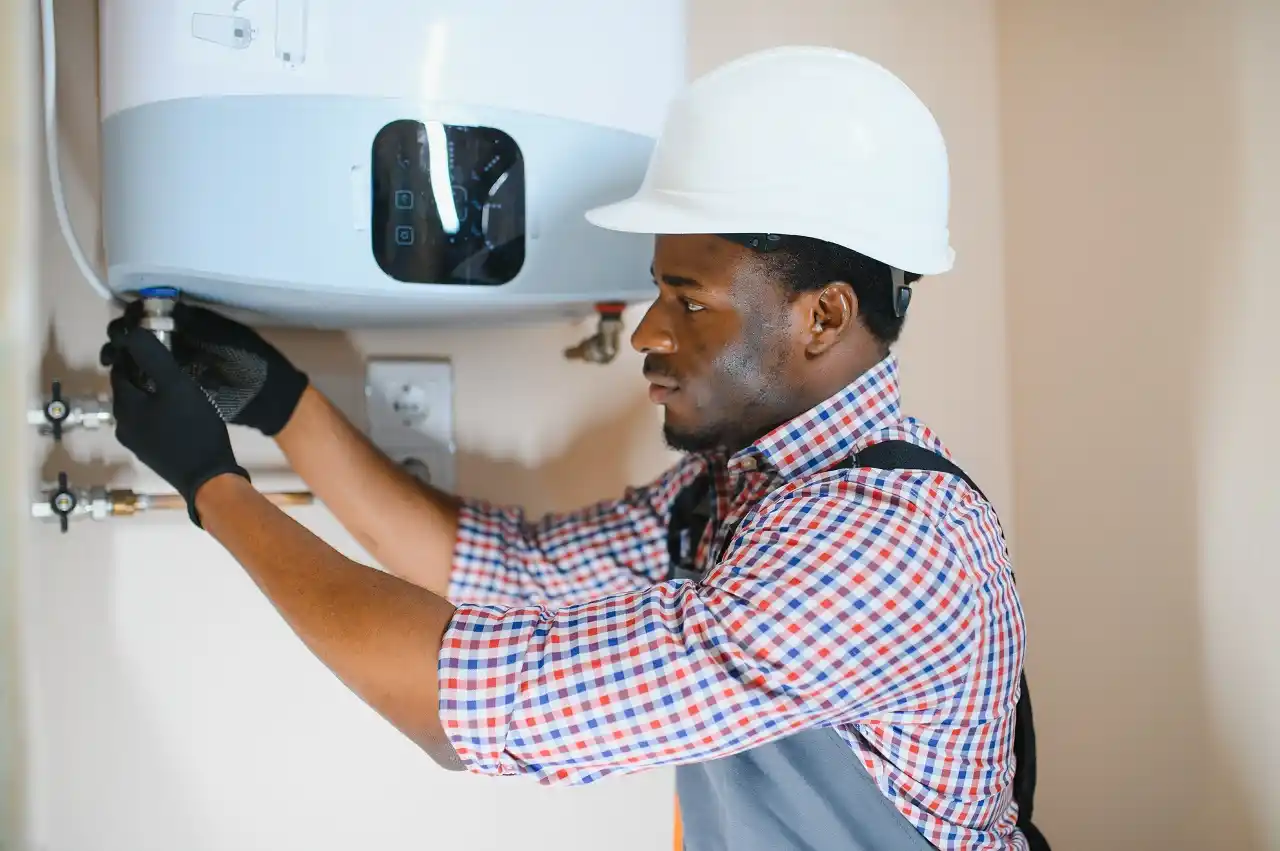
While homeowners can safely perform certain maintenance tasks, diagnosing internal water heater problems requires knowledge and specialized equipment.
Modern systems contain electrical components, gas controls, pressure regulators, sensors, and safety devices that all work together.
Qualified expert technicians understand how these components interact. Instead of replacing parts based on guesswork, they accurately identify the root cause of performance issues and recommend practical solutions.
That approach often reduces repair costs while preventing repeat breakdowns.
More importantly, professional service ensures repairs are completed safely.
Don’t Ignore Water Around the Tank
Finding moisture near a water heater should never be dismissed without investigation.
Sometimes it’s harmless condensation.
Other times it may indicate a leaking pressure relief valve, loose plumbing connection, deteriorating fitting, or even corrosion inside the tank itself.
Early leaks are often manageable.
Once corrosion reaches the tank lining, however, replacement becomes the only realistic option because storage tanks themselves usually cannot be repaired safely.
Catching leaks early provides homeowners with more options and lower costs.
Maintenance Is Less Expensive Than Emergencies
Emergency repairs rarely happen at convenient times.
Water heaters seem to fail just before guests arrive, during holidays, or in the middle of winter when hot water becomes especially important.
Preventive maintenance helps reduce the likelihood of those stressful situations.
Annual inspections allow professionals to test safety components, flush sediment, inspect heating elements, verify thermostat accuracy, and examine water pressure.
The appointment itself usually takes far less time than dealing with a complete equipment failure.
The Water Heater Isn’t Always the Only Problem
Sometimes homeowners assume every hot water issue originates inside the heater itself.
In reality, damaged supply lines, faulty shutoff valves, pipe corrosion, pressure regulators, and circulation problems can all affect system performance.
That’s why experienced plumbers evaluate the entire system rather than focusing solely on one appliance.
Comprehensive plumbing repairs often resolve underlying issues that would otherwise continue affecting water heater performance.
Looking at the bigger picture leads to better long-term results.
Choosing the Right Plumbing Company
Finding someone trustworthy matters just as much as finding someone available.
A dependable plumbing company should provide clear communication, honest recommendations, transparent pricing, and licensed professionals who explain available options without unnecessary pressure.
Customer reviews, years of experience, emergency availability, and warranty support also deserve consideration.
Building a relationship with a reliable service provider before an emergency occurs makes future repairs far less stressful.
Simple Habits That Extend Equipment Life
Homeowners don’t need advanced technical knowledge to help their water heaters perform better.
Keeping the surrounding area clean, checking periodically for visible leaks, listening for unusual sounds, maintaining appropriate thermostat settings, and scheduling routine maintenance all contribute to longer equipment life.
Even simple awareness goes a long way.
When something feels different, it’s usually worth having it inspected sooner rather than later.
Small actions consistently performed often produce the biggest long-term savings.
Final Thoughts
Water heaters work quietly behind the scenes every single day, providing one of the comforts we depend on most without asking for much attention. It’s easy to overlook them when everything seems normal, but ignoring early warning signs can lead to costly surprises.
Fortunately, most problems develop gradually, giving homeowners plenty of opportunities to act before a complete breakdown occurs. Regular maintenance, prompt inspections, and professional repairs help extend equipment life, improve energy efficiency, and reduce the likelihood of emergency replacements.
At the end of the day, taking care of a water heater isn’t simply about maintaining an appliance. It’s about protecting your home’s comfort, managing long-term expenses, and ensuring that life’s everyday routines continue without interruption. Sometimes the smartest repair is simply paying attention before a small problem becomes a very big one.