It’s funny how water works in our lives. It’s everywhere, doing its job quietly in the background, and we barely notice it. You wake up, wash your face, make tea, maybe fill a bottle before heading out. It’s all so routine that the thought of “what kind of water is this?” rarely crosses your mind.
Until it does.
Maybe it’s a strange aftertaste. Maybe your kettle starts looking older than it should. Or maybe someone casually mentions that their water needed treatment, and suddenly you’re wondering if yours does too. That’s usually how it begins—not with a problem, but with a question.
The First Realization: Water Isn’t One-Size-Fits-All
We tend to assume that water is just… water. But the reality is, it varies more than we think. Different areas, different sources, different pipelines—each one changes what ends up flowing through your tap.
For many people, the focus naturally starts with drinking water systems. After all, that’s the water going directly into your body. You want it to taste good, feel clean, and not leave you second-guessing every sip. A simple filtration setup under the sink or a purifier on the counter often becomes the first upgrade.
And honestly, that alone can make a noticeable difference. Water tastes lighter, clearer. Tea feels… right again. It’s a small change, but one you notice daily.
Looking Beyond the Glass
But then, slowly, the perspective shifts. You realize you’re not just drinking water—you’re living with it. It’s in your shower, your laundry, your cooking, even the way your home feels overall.
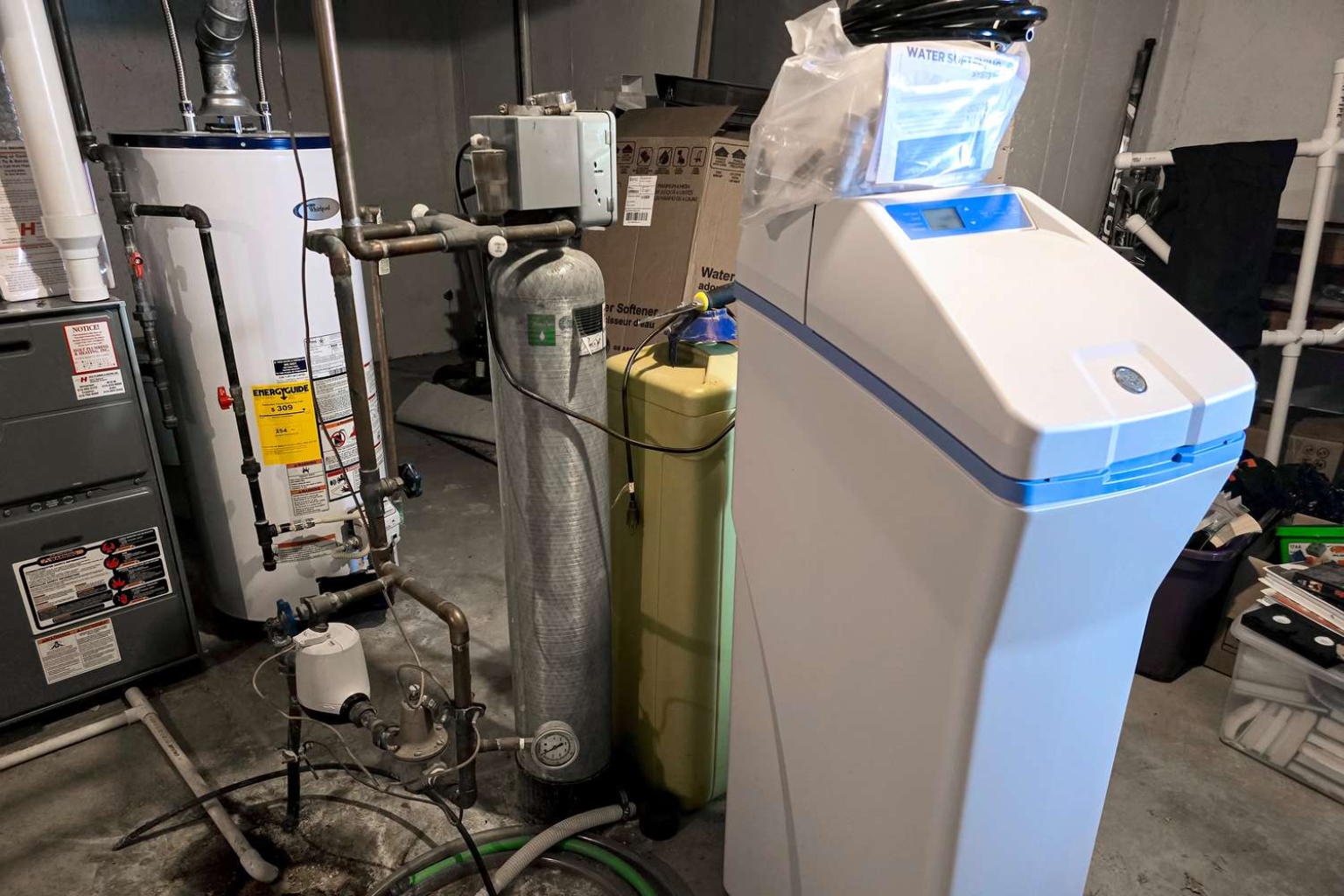
That’s where the idea of whole house systems starts to make sense. Instead of treating water at a single point, these systems address it as it enters your home. Everything—from the bathroom tap to the washing machine—benefits from that one decision.
It’s not something everyone jumps into immediately. It feels like a bigger step. But for homes dealing with hard water, staining, or persistent issues, it can be surprisingly practical.
And the changes? They’re subtle at first. Less residue on fixtures. Softer-feeling laundry. Maybe even fewer plumbing headaches over time. It’s not flashy, but it’s steady.
The Middle Ground Most People Miss
Not every situation calls for a full-house setup. And not every issue can be solved with a simple filter either. There’s a space in between where things get a bit more tailored.
That’s where thoughtful water solutions come into play. Instead of guessing or copying what someone else did, it becomes about understanding your own setup. What’s your water source? What problems are you actually facing? What’s worth fixing—and what’s just an inconvenience?
Sometimes the answer is surprisingly simple. Other times, it takes a bit more effort. But the key is that it’s specific to you.
And that makes all the difference.
The Quiet Impact of Better Water
One of the most interesting things about improving your water is how quickly it fades into the background again—but in a better way. At first, you notice everything. The taste, the feel, the absence of those little annoyances you used to ignore.
Then, gradually, it just becomes normal.
You’re no longer thinking about why your glass looks cloudy or why your skin feels dry. You’re just… living your day without those interruptions. And that, in itself, feels like progress.
Why We Wait Longer Than We Should
If all this makes sense, you might wonder why more people don’t address their water sooner. The answer is simple: it doesn’t feel urgent. Water problems are rarely dramatic. They don’t demand immediate action.
They sit in that grey area—noticeable, but not alarming.
So we delay. We adapt. We convince ourselves it’s fine. And in many cases, it is. But sometimes, “fine” is just something we’ve gotten used to.
A Simple Shift in Thinking
You don’t need to overhaul everything overnight. That’s not realistic, and honestly, not necessary. But paying a little more attention to your water—just a little—can open the door to small improvements that actually matter.
Start with what bothers you most. The taste, the buildup, the feel. Look into options that address that specific issue. And if nothing else, just understand what you’re working with.
Because once you know, the next step becomes easier.
Ending on a Thought
Water isn’t something we usually think about deeply. It’s too familiar, too constant. But that’s exactly why it deserves a second look every now and then.
Not because something is wrong—but because there might be a better way to experience something you rely on every single day.