Water problems often show up in the smallest parts of daily life. You wipe down the kitchen faucet, and white marks return a day later. Your kettle develops a chalky layer, shower glass looks cloudy, or your favorite drinking glass has spots that seem impossible to remove. None of these things necessarily means your water is unsafe, but they can make ordinary household tasks feel unnecessarily difficult.
The challenge is figuring out which solution will actually help. Water quality varies between homes, and a treatment system that works well for one family may be unnecessary for another. Understanding the source of the problem, comparing suitable technologies, and thinking about long-term maintenance can make the decision much easier.
Start by Understanding What Is in Your Water
Before shopping for a filter or scale-control device, take a closer look at your water supply. Hard water contains higher levels of dissolved calcium and magnesium. These minerals can form deposits when water evaporates, particularly around faucets, showerheads, kettles, and water heaters.
Other issues have different causes. Sediment may come from the source water or plumbing, while iron can contribute to reddish stains. Chlorine may affect taste and smell, and certain contaminants require specialised testing because they cannot be identified simply by looking at the water.
A water test can help distinguish between these concerns. Municipal water customers may begin by reviewing their supplier’s water-quality report, while private well owners often need testing tailored to local conditions. If you suspect a health-related contaminant, use an appropriate test method, such as analysis through a certified laboratory.
Knowing what needs attention prevents a common mistake: purchasing a product because its marketing sounds impressive, only to discover that it doesn’t address the actual problem.
Choosing Filtration That Fits Your Home
Filtration can be useful for several reasons, but not every filter does the same job. Sediment filters capture suspended particles, while activated carbon can reduce certain tastes, odors, and selected compounds. Other technologies are designed to target specific substances or improve water for particular uses.
The right arrangement depends on where the concern occurs. If sediment affects several taps and appliances, a system installed where water enters the house may be worth considering. If the main goal is improving water used for drinking and cooking, a smaller unit beneath the kitchen sink could be sufficient.
When comparing filters & home filtration options, look beyond the number of stages or the appearance of the equipment. Check the manufacturer’s performance claims, relevant independent certifications, replacement schedules, and expected flow rate. Ask which substances the product is designed to reduce and which ones it does not address.
Installation details matter as well. A whole-house unit needs enough space for servicing and must be sized to meet household demand. An undersized filter can restrict flow, while a poorly maintained cartridge may no longer deliver the expected performance. These practical details are easy to overlook when you’re comparing products online, but they make a real difference after installation.
Making Drinking Water More Convenient
Many households prefer to treat drinking water separately from water used for bathing, laundry, or cleaning. This approach can be practical when the main concern is taste or a particular dissolved substance, especially if the rest of the household water already meets its intended needs.
Modern drinking water systems range from basic carbon filters to reverse osmosis units. Carbon filtration can help reduce certain tastes and odors, depending on the filter design. Reverse osmosis uses pressure to move water through a semipermeable membrane, reducing many dissolved substances. The exact results vary by model and contaminant, so certification and performance documentation deserve careful attention.
Think about how your family uses water every day. A household that fills reusable bottles frequently may prefer a system with convenient access and enough output to meet demand. Families that cook often may also appreciate having treated water readily available at the kitchen sink.
Reverse osmosis systems have trade-offs. They require periodic filter and membrane replacement, and conventional designs send some water to the drain during production. Storage capacity and flow rate can also affect convenience. A simpler filter may be adequate for some homes, while others may benefit from a more specialised system based on their test results.
The goal is not to buy the most advanced equipment available. It’s to choose a system that addresses the concern without creating unnecessary maintenance or expense.
Reducing Scale Without Traditional Softening
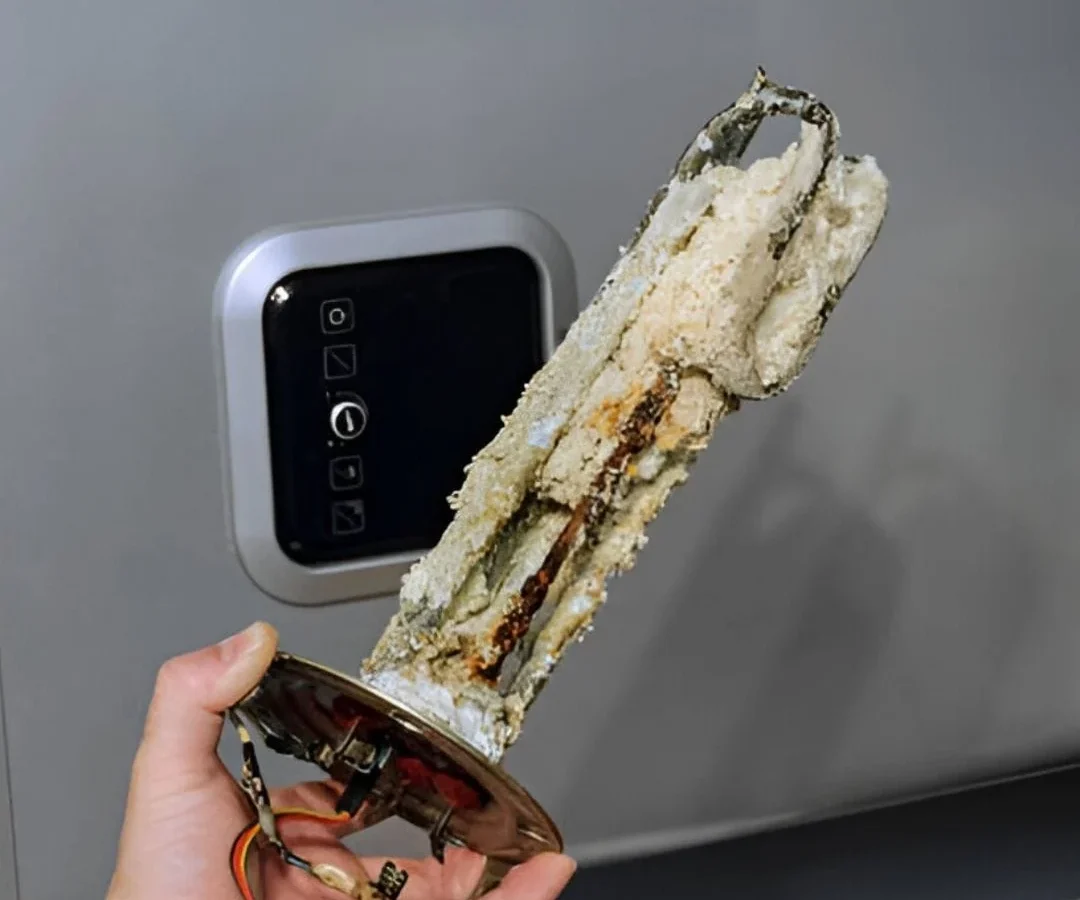
Hard-water scale is especially frustrating because it returns even after a thorough cleaning. Minerals can collect around taps, shower screens, heating elements, and internal plumbing surfaces. Over time, substantial buildup may interfere with the performance of some appliances and increase maintenance needs.
Traditional ion-exchange softeners reduce hardness by removing calcium and magnesium from the water and exchanging them for other ions, commonly sodium. This method can be effective, but it requires appropriate sizing and routine regeneration. Some homeowners would rather explore alternatives that don’t use salt in the same way.
Sodium-free scale prevention technologies are one option to investigate. Depending on the design, these systems may condition water or influence how scale-forming minerals behave, helping reduce certain deposits without functioning as conventional softeners. Their performance varies, and they should not automatically be expected to remove hardness minerals or produce the same results as ion exchange.
Before choosing a scale-control product, ask what it is designed to accomplish. Does it reduce measured hardness, help limit scale formation, or address a different water characteristic? Those are not interchangeable outcomes. Look for credible performance information and consider the conditions under which the system was tested.
A professional who understands the water analysis can help explain whether an alternative scale-control method is appropriate for your property. This is particularly useful when the water is very hard or when protecting a specific appliance is the main priority.
Maintenance Should Be Part of the Decision
Even a well-chosen system needs regular attention. Filters have a limited service life, membranes require replacement, and some scale-control devices need periodic inspection. Ignoring maintenance can reduce performance and make it difficult to know whether the equipment is still doing its intended job.
Before installation, ask for a clear maintenance schedule and an estimate of ongoing costs. Find out whether replacement cartridges are readily available, how often they need changing, and whether servicing requires a technician. Keep records of filter changes and any water tests so you can track performance over time.
Watch for changes in taste, odor, pressure, or scale buildup. These signs don’t always mean the system has failed, but they may indicate that further investigation is needed. If your water source changes or you suspect contamination, arrange appropriate testing rather than relying on the treatment device alone.
Make a Choice That Works in Real Life
Cleaner water and fewer mineral deposits can make everyday life easier, but the right solution starts with understanding your home’s particular conditions. A filter, softener, reverse osmosis unit, or scale-control system each serves a different purpose. Sometimes one technology is enough; in other homes, a combination may be appropriate.
Take time to review your test results, compare verified performance claims, and consider installation, maintenance, and long-term costs. Ask questions until you understand what a system can realistically achieve.
Water treatment doesn’t need to become a complicated project. With sound information and a practical plan, you can choose equipment that fits your household, keep it properly maintained, and spend less time dealing with the same frustrating water problems.