
Let’s be honest—when we think of emergency vehicles, most of us just think about sirens, flashing lights, and pulling over quickly. We don’t always stop to consider the visual language at play—the colors, the reflective stripes, the arrows that point your eyes before your brain even has time to process what you’re looking at. But all of that? It matters. A lot.
In fact, the design of emergency vehicle graphics might be one of the most overlooked tools in public safety.
Why What You See Can Save a Life
Whether it’s a firetruck flying down a highway or an ambulance parked at an accident scene, visibility isn’t optional. It’s critical. The right markings can mean the difference between someone seeing the vehicle in time—or not. It’s not just about style. It’s about safety, clarity, and response time.
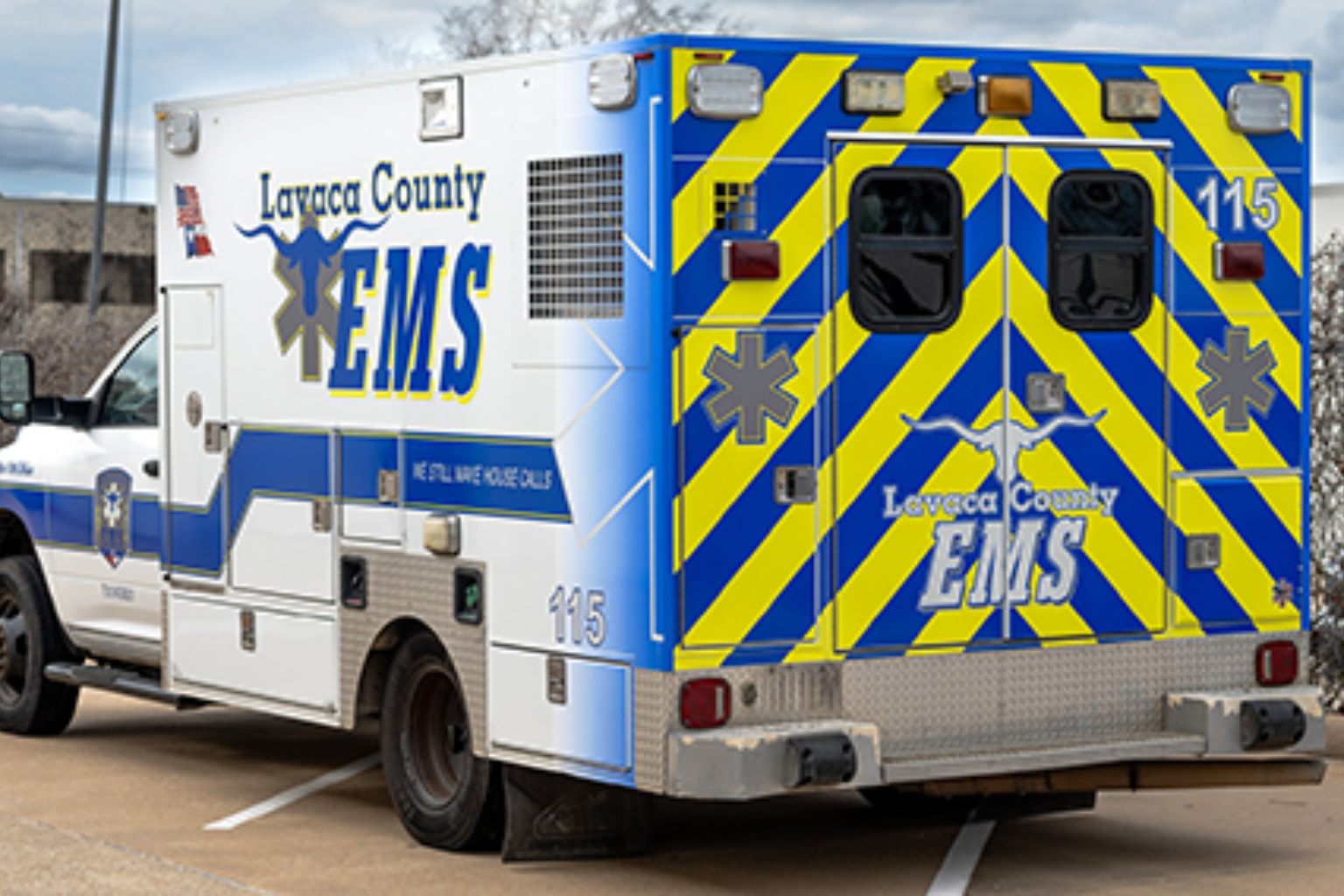
That’s where ambulance chevron graphics come into play. You’ve probably seen them—those bright, often reflective V-shaped patterns on the back of an ambulance. They’re not there for decoration. They’re engineered to catch the light, to scream “here I am!” in situations where every second counts.
Reflective materials. Bold contrast. High-impact color palettes. They’re all carefully selected with one goal in mind: being seen before it’s too late.
Function Meets Form: The Role of Thoughtful Design
You might not think about it much, but the aesthetics of emergency vehicles aren’t random. They’re the product of regulatory standards, functional necessity, and, yes—smart design.
But here’s the thing: more and more departments and agencies are realizing they don’t have to settle for cookie-cutter decals. With modern tools and design platforms, you can now design your own emergency vehicle graphics to meet specific visibility needs while still aligning with department branding, community identity, or even regional requirements.
It’s not just about sticking reflective tape on a white van. It’s about layout, flow, and intentional placement—making sure your message and your presence are clear from every angle.
Think of it like this: your vehicle is often the first “representative” on scene. The visuals set the tone. Clear, professional graphics reinforce trust in public service. They also help eliminate confusion in chaotic situations.
More Than Just Looks: Material Quality Matters
A beautifully designed graphic is useless if it fades, peels, or becomes unreadable after one winter. Emergency vehicles are on the road year-round, through all kinds of weather and wear. Rain, snow, direct sunlight, heat, salt, grime—you name it.
That’s why high-quality materials—especially retroreflective vinyl—are essential. Not only do they last longer, but they reflect light more effectively, keeping vehicles visible during nighttime calls, power outages, or foggy road conditions.
Proper lamination helps too, reducing glare from headlights while preventing UV breakdown. The design isn’t just about what looks good today—it’s about staying effective for years.
Customization: Not Just a Perk, But a Necessity
Every department is different. Rural EMS may need enhanced rear visibility on winding country roads. Urban responders might need more side graphics for congested traffic. Volunteer squads may want to stand out from nearby agencies without confusing residents.
Custom graphics give you control—over color schemes, font styles, iconography, and vehicle-specific layouts. You can integrate agency logos, unique numbering systems, or even local landmarks to help citizens quickly recognize who’s there.
Good customization also helps reduce duplication errors between nearby units. You don’t want responders confusing your vehicles with another jurisdiction’s. Especially when clarity can affect coordination.
That’s where software and design services are stepping up, letting departments plan and preview emergency vehicle graphics with a level of precision that used to be reserved for big-budget marketing departments.
Safety, Standardization, and Local Flavor Can Coexist
There’s a common misconception that custom means non-compliant. But that’s just not true anymore. Thanks to better design tools and more accessible standards documentation, it’s entirely possible to create custom vehicle graphics that follow federal and state regulations without looking bland or generic.
From NFPA 1901 standards for fire apparatus visibility to DOT striping guidelines, the frameworks are there. You just need someone to help interpret and apply them creatively.
And when done right? You end up with something powerful. Something that reflects your community, your crew, and your purpose—while still keeping everyone safer.
Installation Makes or Breaks the Final Look
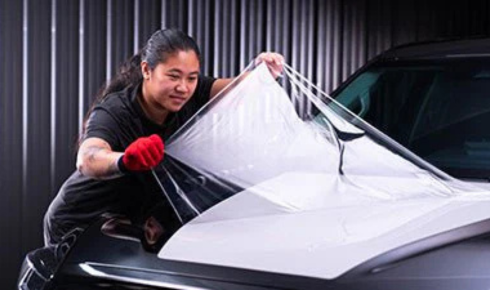
Let’s not forget the last mile of the process: application. No matter how perfect your design is, poor installation will ruin it. Bubbles, misalignment, and poorly trimmed edges don’t just look bad—they reduce reflectivity and compromise safety.
Working with professional installers—especially those who’ve handled emergency fleets before—can be the difference between a graphic that peels in six months and one that lasts five years.
Remember: you’re not just wrapping a food truck or a delivery van. These vehicles operate in extreme conditions, often under pressure. They deserve better than slap-and-go stickers.
Small Departments, Big Impact
Don’t think this kind of attention to detail is just for large-city departments or massive fleets. Small-town volunteer fire crews, independent EMT services, campus security, tribal health departments—they all benefit from clear, professional graphics.
Sometimes it’s even more important for these smaller organizations to look sharp. You’re constantly reinforcing public trust, often with limited resources. A clean, sharp-looking vehicle with well-placed graphics can send a message: “We’re here. We’re ready. We’re the real deal.”
And guess what? These upgrades don’t have to break the bank. Advances in print technology and digital design have made professional-looking wraps more accessible than ever.
Your Vehicle Is a Messenger—Make It Count
Emergency vehicles carry more than tools and personnel. They carry authority. Responsibility. Presence. In the chaos of an emergency, your vehicle should calm confusion—not add to it. It should say, without a word: “Help is here.”