
Most of us don’t spend much time thinking about the science behind our water. You turn the tap, fill a glass, maybe rinse your hands—and that’s about it. Water just works. Or at least, it’s supposed to.
But then, something shifts.
Your shower doesn’t feel as refreshing. Your dishes look a little cloudy. There’s a faint buildup on your fixtures that keeps coming back no matter how often you clean.
And suddenly, water doesn’t feel so simple anymore.
When Water Starts Showing Its Personality
It’s strange how water can feel different from one home to another. Some places have water that feels smooth and light, while others deal with something heavier—harder, less cooperative.
You might not notice it at first. It creeps in quietly.
Soap doesn’t lather the way it should. Your skin feels dry, even after a long shower. Your appliances seem to age faster than expected.
It’s not a crisis. But it’s not ideal either.
And that’s usually when curiosity starts to build.
The Science You Didn’t Realize You Were Experiencing
Behind all of this is something surprisingly simple: minerals.
Calcium and magnesium are the main players. They’re naturally present in many water sources, and while they’re not harmful, they can cause a lot of inconvenience in a home setting.
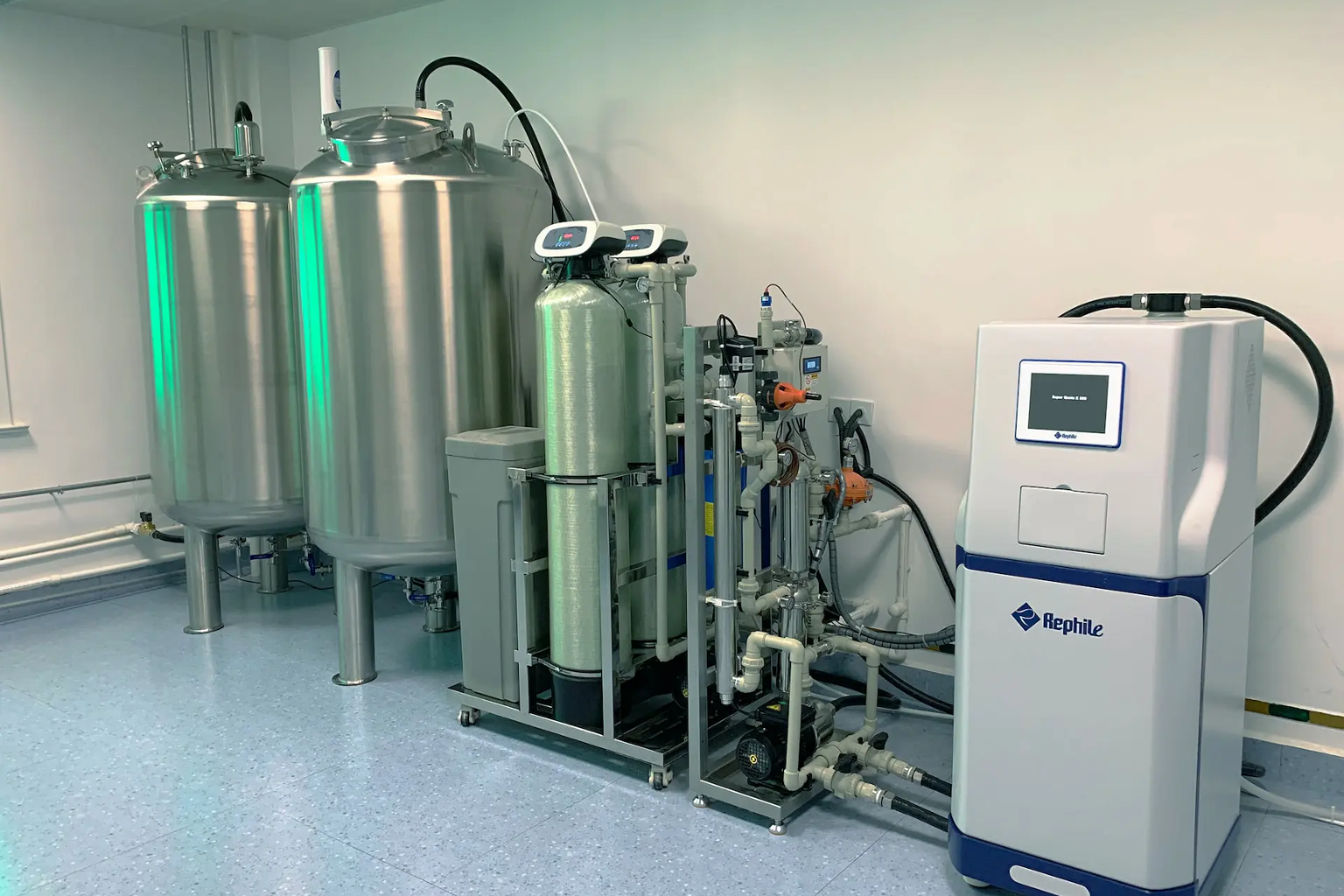
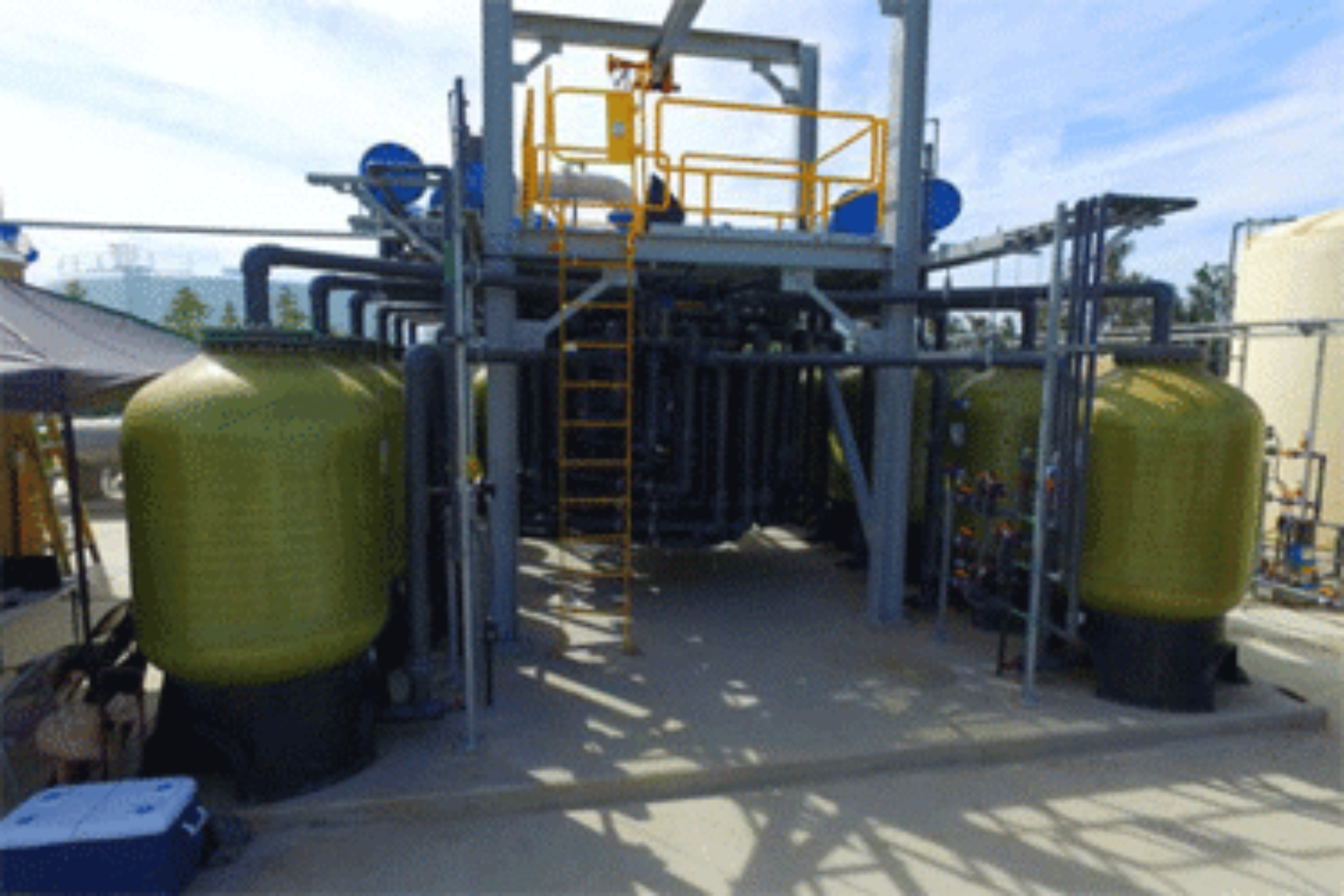
This is where ion exchange technology quietly does its work.
Without getting too technical, it’s a process that swaps out those hard minerals for something more manageable, like sodium or potassium. The result? Water that behaves differently—more smoothly, more predictably.
You don’t see the process happening. But you definitely feel the outcome.
Why the Process Matters More Than You Think
A lot of people assume water treatment is just about filtering things out. And while that’s part of it, there’s more going on beneath the surface.
With systems that rely on ion exchange, the key is balance. The system doesn’t just remove minerals—it manages them in a way that keeps your water usable and comfortable.
And over time, that balance starts to show up in your daily routine.
Your soap lathers properly again. Your surfaces stay cleaner longer. Your appliances don’t struggle as much.
It’s not flashy. But it’s effective.
Keeping Things Running Without Constant Effort
One concern people often have is maintenance. No one wants a system that requires constant attention.
That’s where efficient regeneration comes into play.
In simple terms, regeneration is how the system refreshes itself—clearing out the minerals it has collected so it can keep working effectively. When done efficiently, it uses less water, less energy, and requires less frequent intervention.
And that’s important.
Because the best systems are the ones you don’t have to think about. They just do their job quietly, in the background.
The Long-Term Impact You Don’t See Right Away
One of the most overlooked benefits of improving your water is how it affects your home over time.
It’s not just about how things feel today—it’s about how they hold up in the future.
With reduced mineral buildup, your pipes stay clearer. Your appliances run more efficiently. Your water heater doesn’t have to work as hard.
That’s where the idea of a long lifespan really matters—not just for the system itself, but for everything it supports.
Because when your water is balanced, your home experiences less wear and tear overall.
The Subtle Changes That Add Up
What’s interesting about all of this is how gradual the improvements feel.
There’s no dramatic moment where everything suddenly looks different.
Instead, it’s a series of small shifts.
Your dishes come out cleaner. Your laundry feels softer. Your showers feel more comfortable.
And then, one day, you realize something—you haven’t thought about your water in a while.
That’s when you know it’s working.
Understanding Without Overcomplicating
It’s easy to get overwhelmed when you start learning about water systems. Terms like ion exchange, regeneration cycles, and system capacity can feel intimidating.
But here’s the thing—you don’t need to understand every detail.
You just need to understand the basics. What’s causing your issues, and how those issues can be addressed.
Once you have that clarity, everything else becomes easier.
Why This Matters More Than It Seems
Water is one of those things that quietly affects almost every part of your life.
You drink it, cook with it, clean with it, bathe in it. It’s constant.
And because it’s so constant, even small improvements can have a big impact.
Better comfort. Less maintenance. A smoother daily routine.
These aren’t dramatic changes, but they’re meaningful ones.
Final Thoughts: The Science That Works Behind the Scenes
At the end of the day, improving your water isn’t about chasing perfection.
It’s about understanding what’s happening behind the scenes and making small adjustments that improve your everyday experience.
Because when your water works the way it should—when it feels right, flows easily, and doesn’t create extra problems—you stop thinking about it.
And honestly, that’s the best outcome you can hope for.
A system that quietly supports your home. A routine that feels just a little bit easier.
And water that finally feels like it’s working with you, not against you.