
Water is one of those things we trust without thinking too much about it. We pour it into glasses, use it to cook, shower with it, wash clothes — it quietly supports nearly every routine in daily life.
Most of the time, we judge water by simple cues. If it looks clear, smells neutral, and tastes normal, we assume everything is fine.
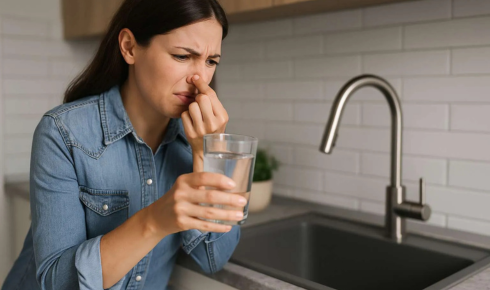
But water quality isn’t always something your senses can detect.
Some of the most important aspects of safe water exist beyond what we can see or taste. Microscopic organisms, chemical disinfectants, and treatment processes all play roles in determining whether water is truly safe.
And understanding that invisible side of water can completely change how you think about what comes out of your tap.
Why Water Safety Isn’t Just About Appearance
Clear water can still contain elements that require attention.
Microscopic organisms like bacteria, viruses, and protozoa can exist without altering water’s appearance. They don’t make water cloudy, and they rarely affect taste.
Because of this, water safety relies heavily on treatment processes designed specifically to address these hidden risks.
This is especially important in areas where water travels long distances or passes through aging infrastructure before reaching homes.
By the time it reaches a faucet, water may have encountered multiple environmental influences.
The Role of Disinfection in Protecting Public Health
Disinfection is one of the most critical steps in water treatment.
It targets microorganisms that can cause illness, ensuring that water remains safe during distribution and storage.
Among the most widely used methods are chlorination systems, which introduce controlled amounts of chlorine to neutralize harmful organisms.
Chlorine remains effective over long distances, providing ongoing protection as water travels through pipelines.
This lasting effect is one reason it has been a cornerstone of public water treatment for decades.
Understanding the Presence of Microorganisms
The term bacteria in water often raises immediate concern, but not all bacteria are harmful.
Many microorganisms naturally occur in water sources and pose little risk.
However, certain pathogens can cause health issues, particularly for individuals with weakened immune systems.
These organisms can enter water supplies through environmental runoff, infrastructure leaks, or contamination events.
Because they’re invisible, they require specialized treatment and monitoring to ensure safety.
Why Treatment Methods Must Be Reliable
Unlike visible contaminants, microorganisms can multiply quickly under favorable conditions.
This means that treatment systems must be consistent and reliable.
Water treatment facilities use multiple layers of protection — including filtration, disinfection, and continuous monitoring — to maintain safety standards.
Each step plays a role in preventing contamination and ensuring water remains safe throughout its journey.
This layered approach reduces the likelihood of treatment gaps.
The Science Behind Removing Microorganisms
Effective microorganism removal relies on a combination of physical and chemical processes.
Filtration systems physically remove particles and some microorganisms.
Disinfection methods such as chlorination or ultraviolet treatment neutralize remaining pathogens by disrupting their biological functions.
Together, these methods create a comprehensive barrier against contamination.
This combination approach ensures both immediate treatment and long-term protection.
How Water Quality Affects Everyday Life
While microbial safety is critical, water quality also influences daily comfort.
High mineral content can affect cleaning efficiency. Chlorine can alter taste. Sediment can clog fixtures.
When water treatment works effectively, these issues often disappear quietly.
Showers feel more refreshing. Dishes come out cleaner. Drinking water tastes better.
These improvements may seem small, but they significantly enhance daily routines.
The Importance of Continuous Monitoring
Water safety isn’t a one-time achievement.
Treatment facilities conduct ongoing monitoring to detect changes in water quality.
Sensors track chemical levels, microbial activity, and physical characteristics in real time.
If anomalies appear, adjustments can be made quickly to maintain safety standards.
This continuous vigilance ensures that treatment remains effective under changing conditions.
Environmental Factors That Influence Water Safety
Natural and environmental conditions can affect water quality over time.
Heavy rainfall can introduce runoff contaminants. Drought conditions may concentrate minerals.
Seasonal temperature changes can influence microbial growth patterns.
Because these factors vary, water treatment systems must remain adaptable.
Understanding environmental influences helps explain why monitoring and maintenance are ongoing processes.
The Psychological Value of Safe Water
Beyond physical health, reliable water quality provides peace of mind.
Knowing that water is consistently treated and monitored reduces uncertainty.
Families can use water for drinking, cooking, and hygiene without concern.
This confidence becomes especially important for households with children or elderly members.
Safe water supports both physical well-being and emotional comfort.
Balancing Safety and Taste Considerations
One challenge in water treatment involves balancing safety with taste and odor preferences.
Disinfectants like chlorine are highly effective but can sometimes affect flavor.
Advanced treatment systems often address this by combining disinfection with filtration processes that improve taste.
This balance ensures water remains both safe and pleasant to use.
Why Awareness of Water Treatment Matters
Understanding how water is treated helps people appreciate the complexity behind something often taken for granted.
Water doesn’t simply appear clean — it undergoes careful processes designed to protect public health.
By learning about these processes, homeowners can make informed decisions about additional treatment options if needed.
Awareness fosters confidence and responsible water use.
Final Thoughts: Seeing Beyond the Surface of Water Quality
Water may look simple, but its safety depends on a complex system of treatment, monitoring, and environmental factors.
Invisible microorganisms and contaminants require specialized approaches to ensure protection.
By understanding these hidden aspects of water quality, individuals can better appreciate the importance of treatment processes and ongoing vigilance.
Because in the end, safe water isn’t just about what you can see.
It’s about the invisible safeguards that work quietly to protect every drop you use each day.