

It’s funny how something as ordinary as water can go unnoticed for years… until it doesn’t. You turn on the tap one morning, take a sip, and pause. Not because it’s terrible, just—different. Slightly off. And once you notice it, you can’t quite unsee it.
That’s how it started for me. No big problem, no urgent repair. Just a quiet awareness creeping in. The taste of my morning tea wasn’t as clean as it used to be. My kettle needed descaling more often. Even my glassware looked a little cloudy, no matter how carefully I washed it.
At first, I ignored it. We all do. But eventually, curiosity wins.
The Realization That Water Isn’t Just “Water”
We tend to lump water into one simple category: safe or unsafe. If it’s drinkable, it’s fine. End of story.
But that’s not quite the full picture.
Water can be safe and still carry things that affect taste, smell, and how it behaves in your home. Minerals, chlorine, sediment—none of these are unusual, but they do shape your daily experience in ways you might not notice right away.
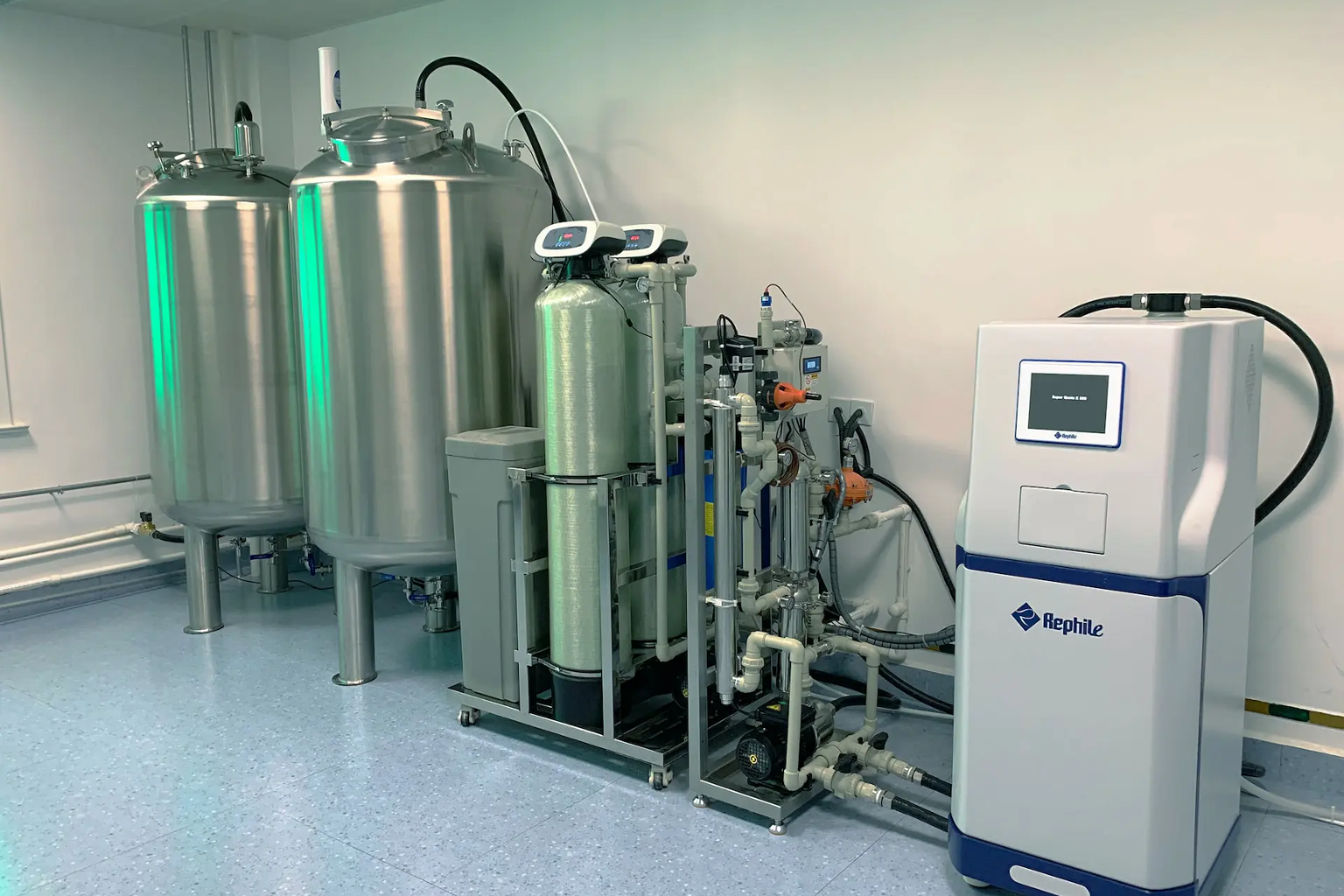
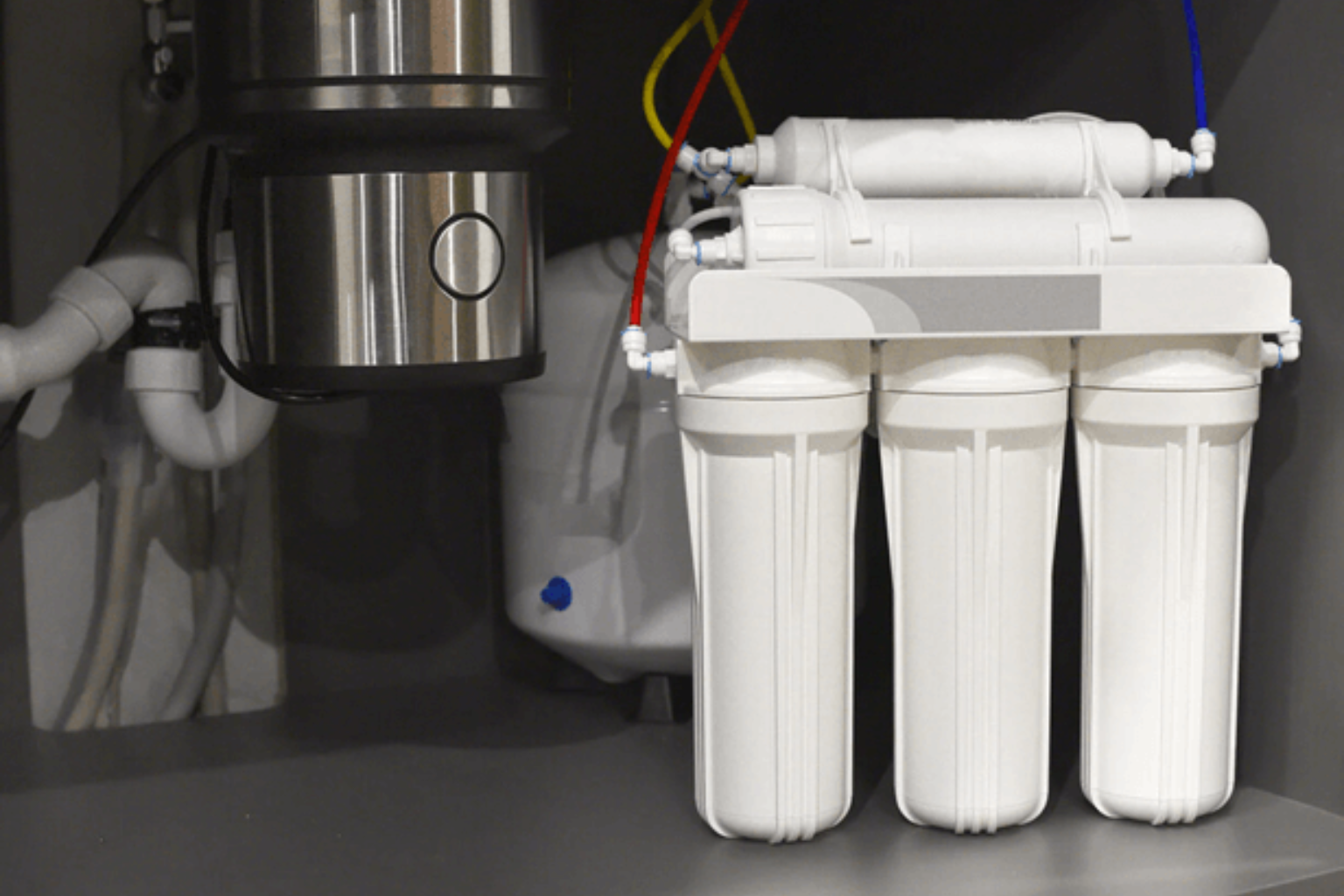
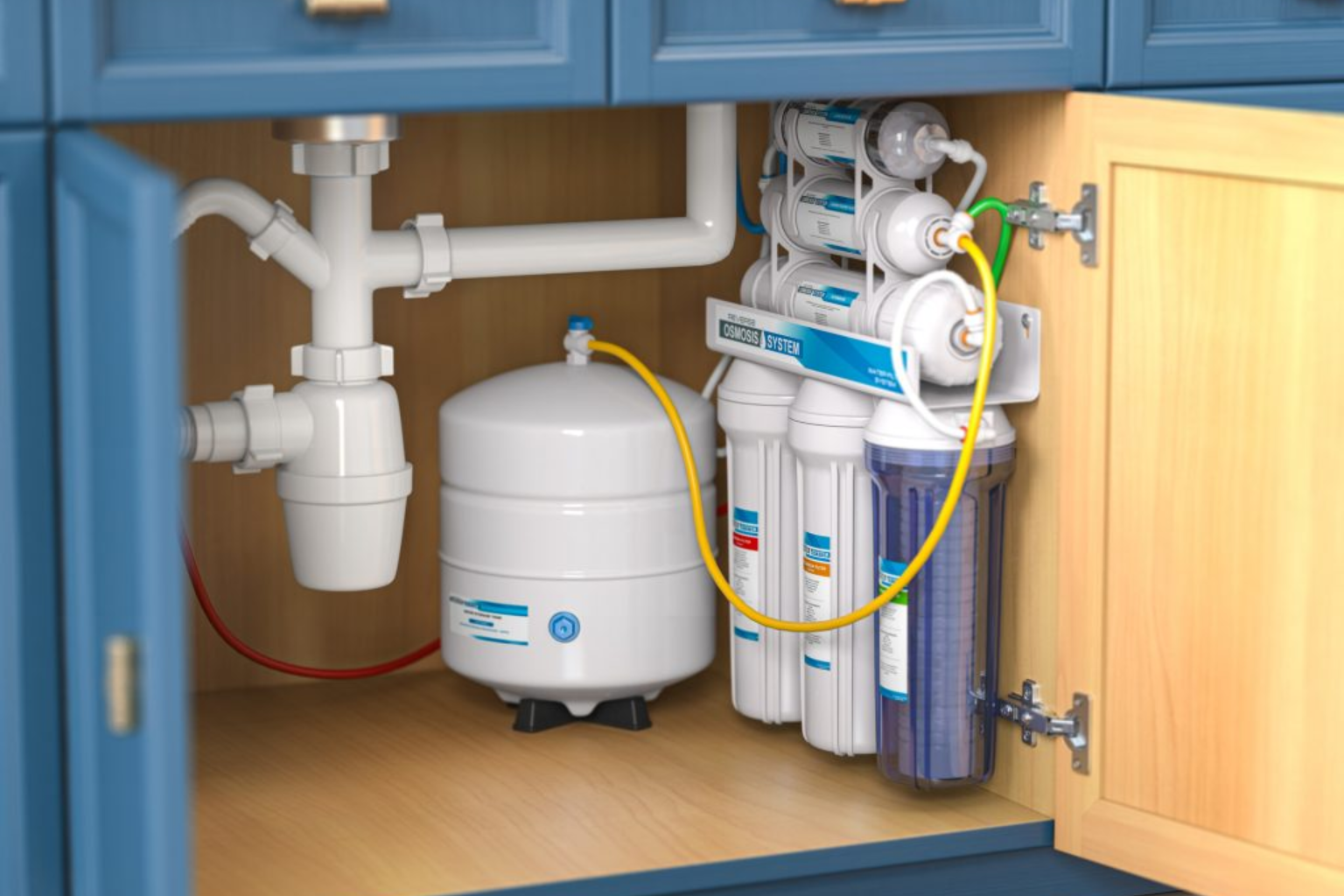
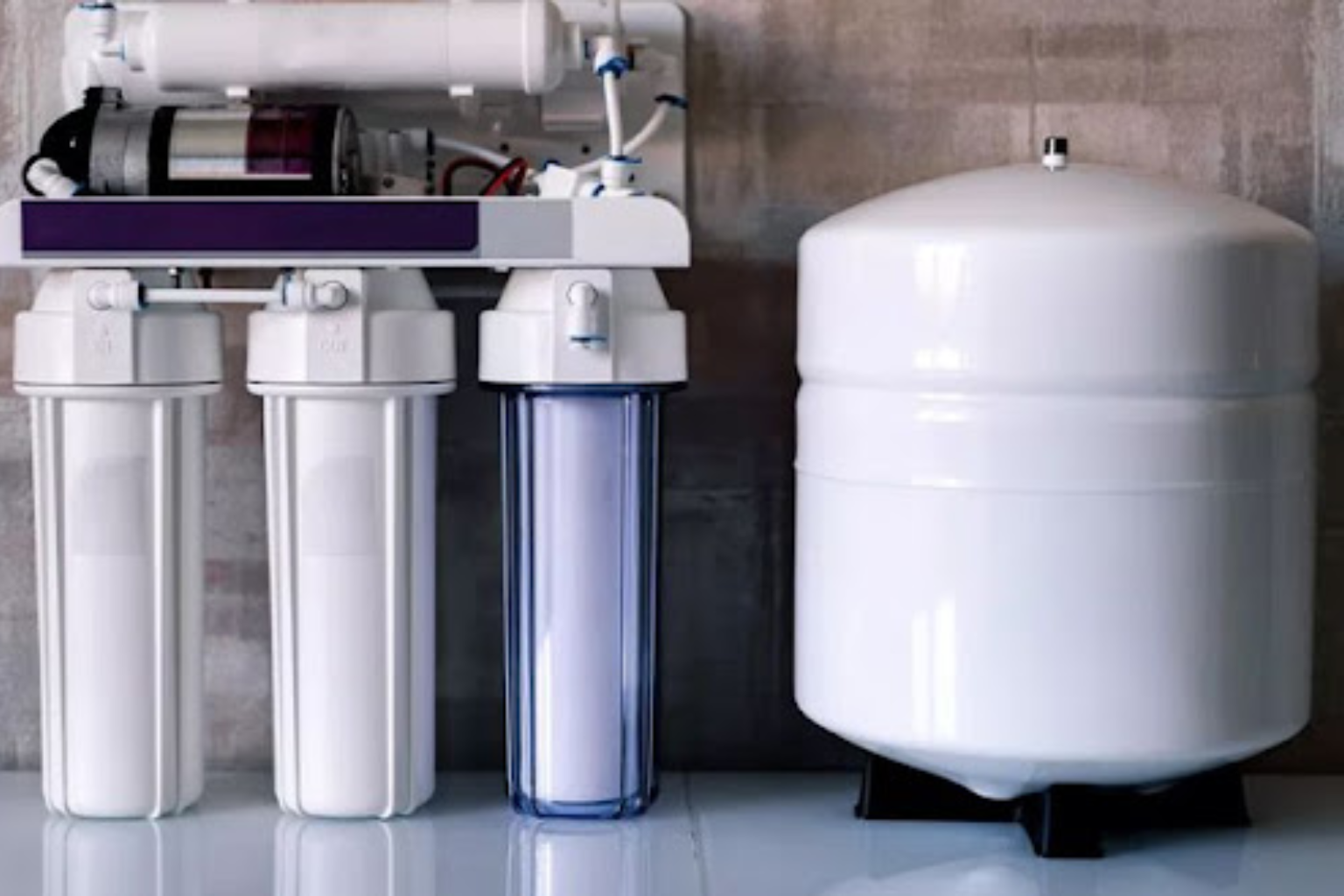
That’s when I started looking into drinking water systems. Not because I thought something was wrong, but because I wanted something better. Cleaner taste, more consistency, a bit more control over what I was consuming every day.
And honestly, the difference wasn’t dramatic—it was subtle. But it was there. My coffee tasted smoother. My water felt lighter. It was one of those changes that quietly improves your routine without making a big announcement.
The Bigger Picture Beyond the Kitchen Tap
At first, I thought improving water quality was just about drinking. What comes out of the kitchen tap, what goes into your glass—that’s the focus, right?
But water doesn’t stop there.
It’s in your shower, your laundry, your dishwasher. It runs through your entire home, affecting things you don’t always connect back to water quality.
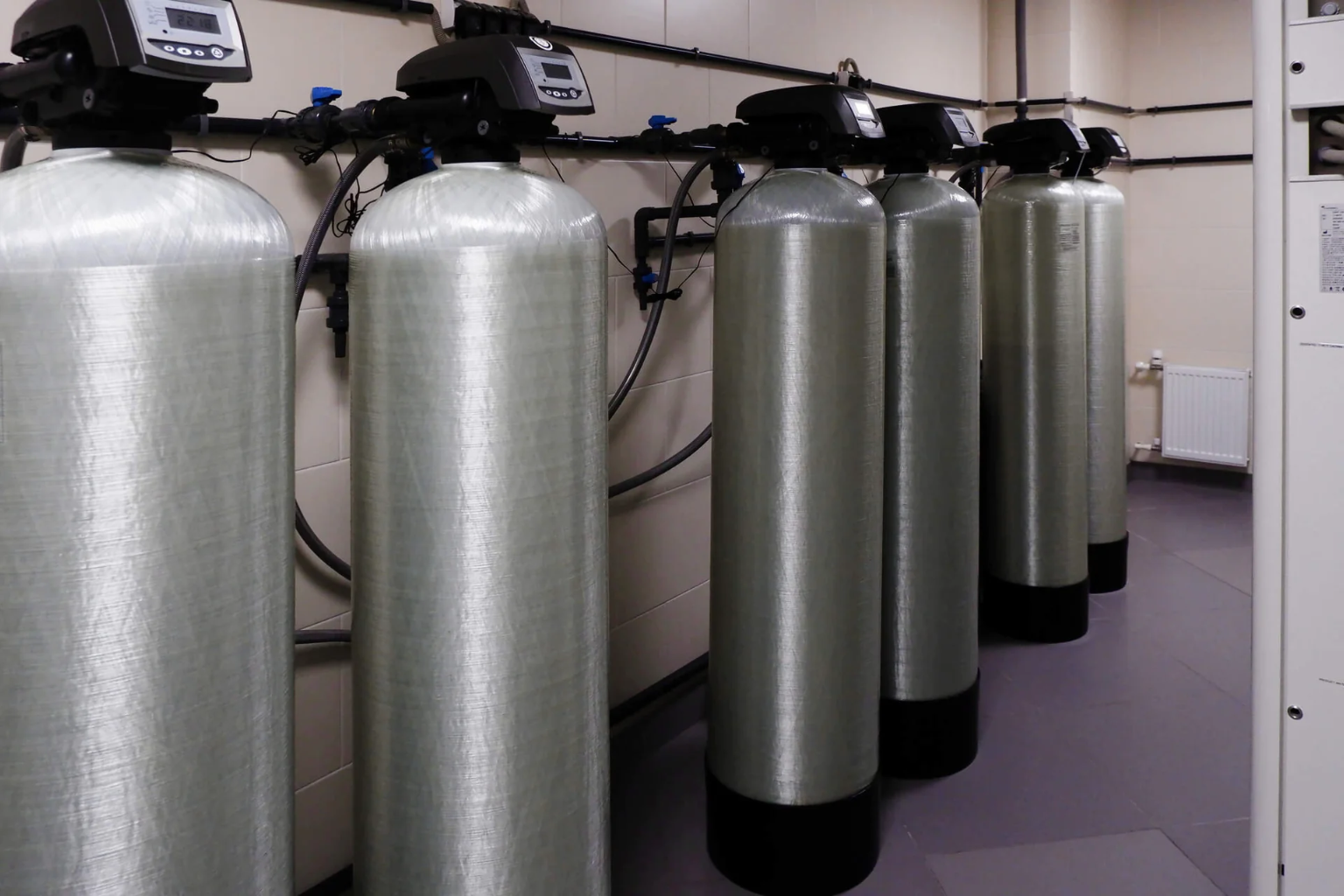
That’s where whole home filtration starts to make sense. Instead of treating water at just one point, it addresses everything at once. Every tap, every appliance, every drop.
And the benefits show up in unexpected ways. Softer laundry. Less buildup on fixtures. A bathroom that stays cleaner a little longer. Even your skin feels different after a shower—less dry, more balanced.
It’s not flashy. But it’s noticeable, in a quiet, consistent way.
Understanding the Problem Before Fixing It
One thing I learned along the way is that not all water issues are the same. What works for one home might not work for another. Some people deal with hard water, others with chlorine taste, others with sediment.
That’s why water problem diagnosis is such an important step. It sounds technical, but really, it just means understanding what’s going on before jumping into solutions.
Maybe your water has high mineral content. Maybe it’s a plumbing issue. Maybe it’s something seasonal that changes throughout the year.
Once you know the cause, the solution becomes much clearer—and often simpler than you expected.
The Shift From Reaction to Awareness
Most of us only think about water when there’s a problem. A leak, a strange smell, a sudden change in taste. We react, fix it, and move on.
But there’s a different approach—one that’s less about reacting and more about being aware.
When you understand your water, you’re not waiting for something to go wrong. You’re making small, proactive choices that improve your daily life.
And those choices don’t have to be complicated. Even a single upgrade can make a noticeable difference over time.
It’s Not a Luxury, It’s a Comfort
There’s a misconception that improving water quality is some kind of luxury upgrade. Something extra, something optional.
But the more I think about it, the more it feels like a basic part of a comfortable home.
We invest in good mattresses for better sleep. We care about lighting, ventilation, even the kind of furniture we use. So why not water?
It’s something you use every single day, in ways you don’t always think about. And when it’s right, everything else feels a little easier.
The Quiet Benefits You Don’t Expect
What surprised me most wasn’t the obvious improvements—it was the small, unexpected ones.
Spending less time cleaning. Noticing fewer stains on sinks and taps. Feeling like your home just… functions better.
These aren’t things you can easily measure, but they add up. And over time, they become part of your new normal.
A Different Way to Think About Home
At the end of the day, this isn’t really about systems or technology. It’s about how your home feels.
Comfort isn’t always visible. Sometimes, it’s in the absence of small annoyances. The lack of that off taste. The absence of buildup. The feeling that things are working as they should.
And water plays a bigger role in that than we often realize.
Closing Thought
You don’t need a major overhaul to start noticing a difference. Just a bit of attention. A bit of curiosity.
Because once you start paying attention to your water, you begin to see your home a little differently. And sometimes, that’s all it takes to make meaningful change happen—quietly, steadily, one glass at a time.