
You wake up. Brush your teeth. Maybe sip from the tap while making coffee or tea. Later, you boil some pasta. End the night with another glass of water before bed. It all seems routine, harmless… automatic.
But have you ever really thought about what’s in that water?
For a lot of folks, the answer is no. After all, if it’s coming out clear, without any funky smell or color, what’s there to worry about?
Well, as it turns out—plenty.
This isn’t some scare piece. It’s a gentle nudge to look a little closer at something you use every day without a second thought. Because when you finally experience true clean water at home—filtered, fresh, mineral-balanced—it’s kind of hard to go back.
Let’s talk about how modern drinking water systems are changing that for thousands of homes.
The Illusion of “Good Enough”
Let’s get this straight: most tap water in cities and towns across the country meets minimum safety standards. That means it won’t immediately make you sick. But does that mean it’s ideal for long-term use? Not necessarily.
Chlorine is often used to disinfect, but can leave an aftertaste or odor. Trace metals like lead can leach from old plumbing. Agricultural runoff may introduce nitrates or other pollutants. In short, there’s a lot going on that your senses might not pick up on.
Many people don’t think twice about the quality of their water—until something tastes off, or a news story about contamination shakes their confidence. But wouldn’t it be better to get ahead of that?
What Makes a Good Drinking Water System?
If you’ve ever gone down the rabbit hole of filters and water solutions, you know it can be… a lot. Cartridges, carbon, UV, mineralization—it’s like learning a new language.
But at its core, a good drinking water system should do three things:
- Remove contaminants like chlorine, lead, arsenic, or bacteria.
- Improve taste and odor (because if it doesn’t taste good, you won’t drink it).
- Protect your health by balancing minerals and maintaining pH.
Systems can range from a simple under-sink unit to a full-blown multi-stage filtration process. But perhaps the most trusted among homeowners today? That’s where reverse osmosis shines.
Reverse Osmosis: Pure, Simple, Reliable
If you’ve ever had a glass of water so crisp and clean it made you pause, odds are it came from a reverse osmosis system.
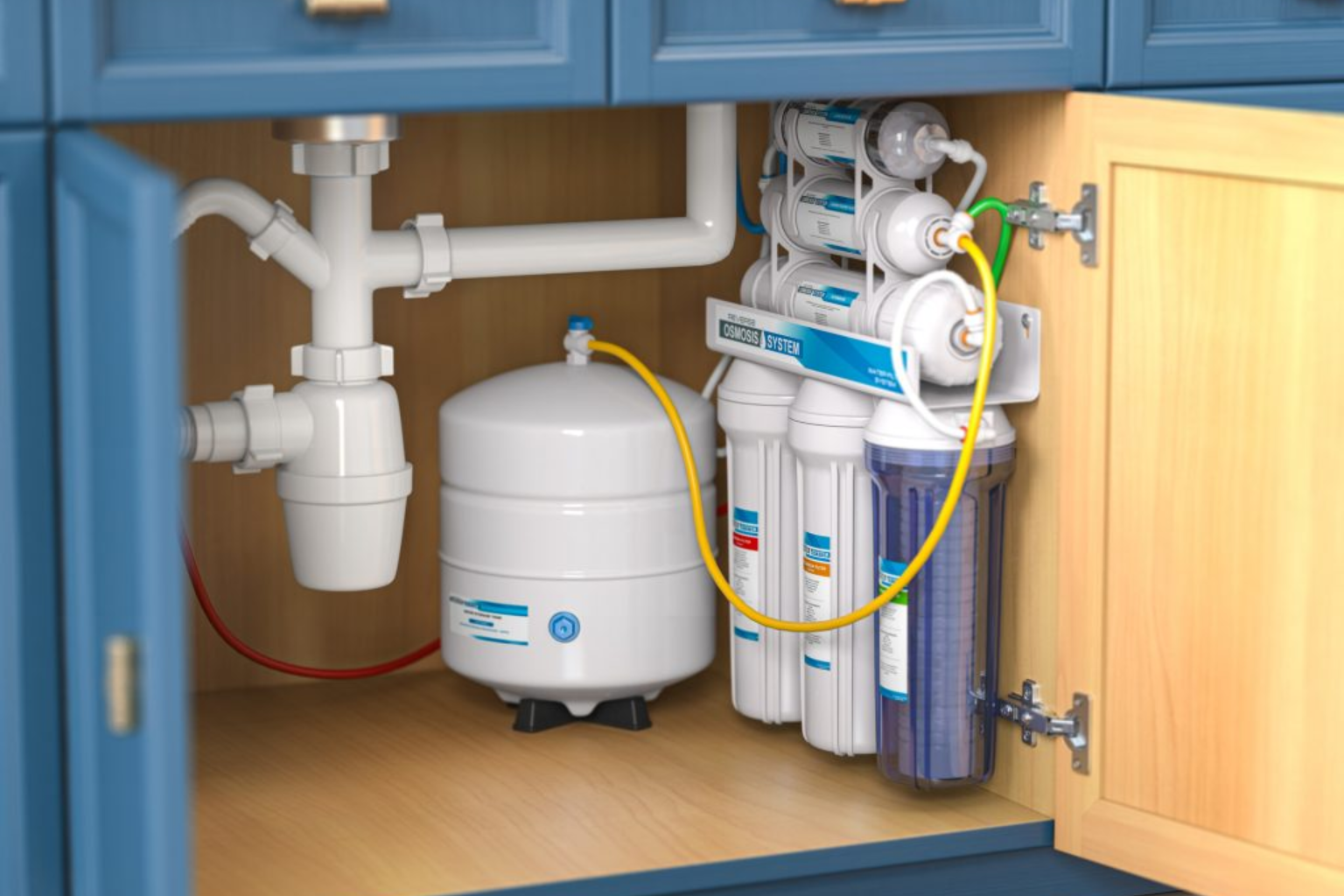
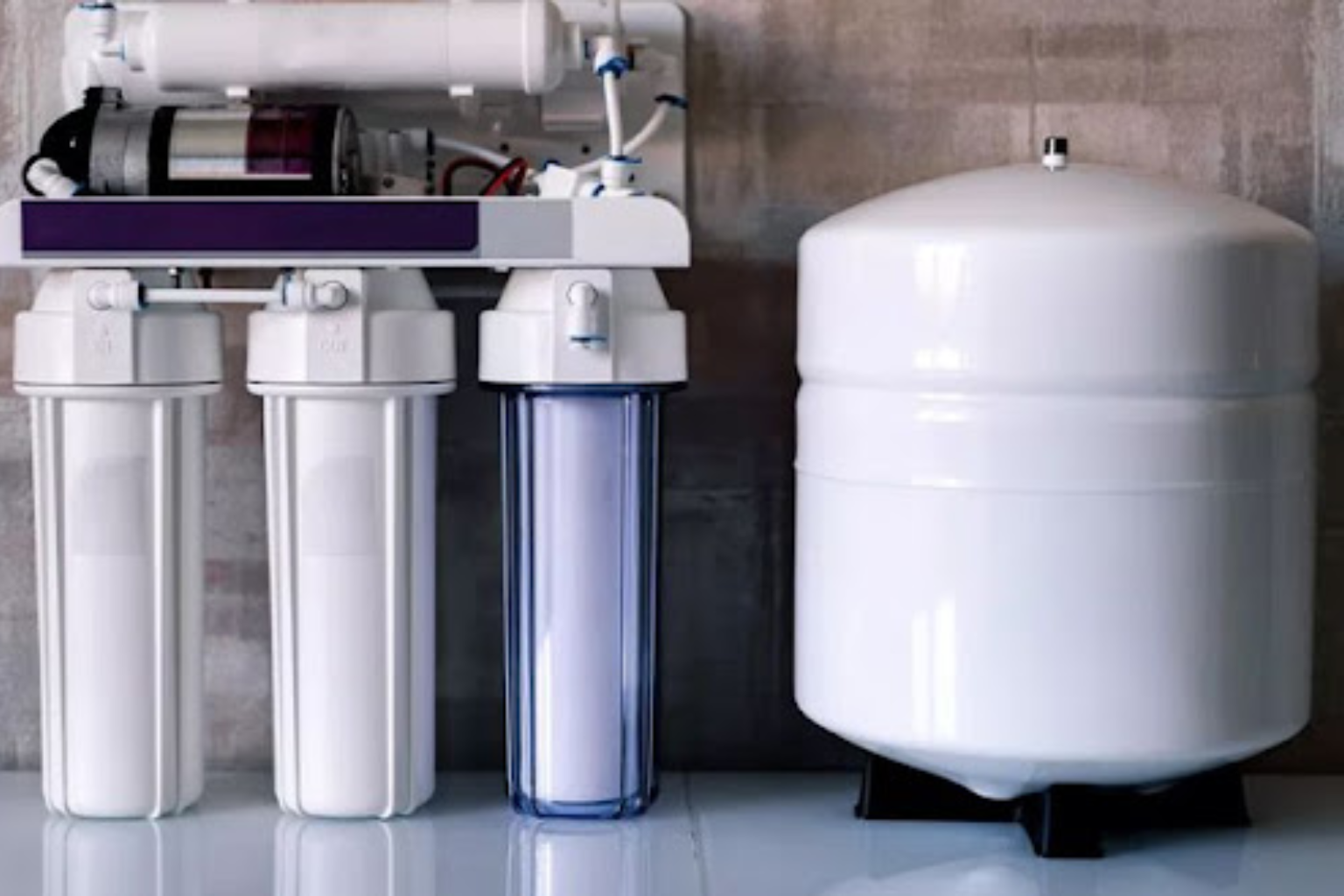
RO (as it’s often called) works by pushing water through a semipermeable membrane, filtering out impurities at the molecular level. We’re talking lead, nitrates, fluoride, arsenic, microplastics—all gone. What’s left? Basically pure H₂O.
There’s something magical about that first sip. No lingering metallic flavor. No earthy aftertaste. Just smooth, neutral water that enhances your coffee, your cooking, your hydration.
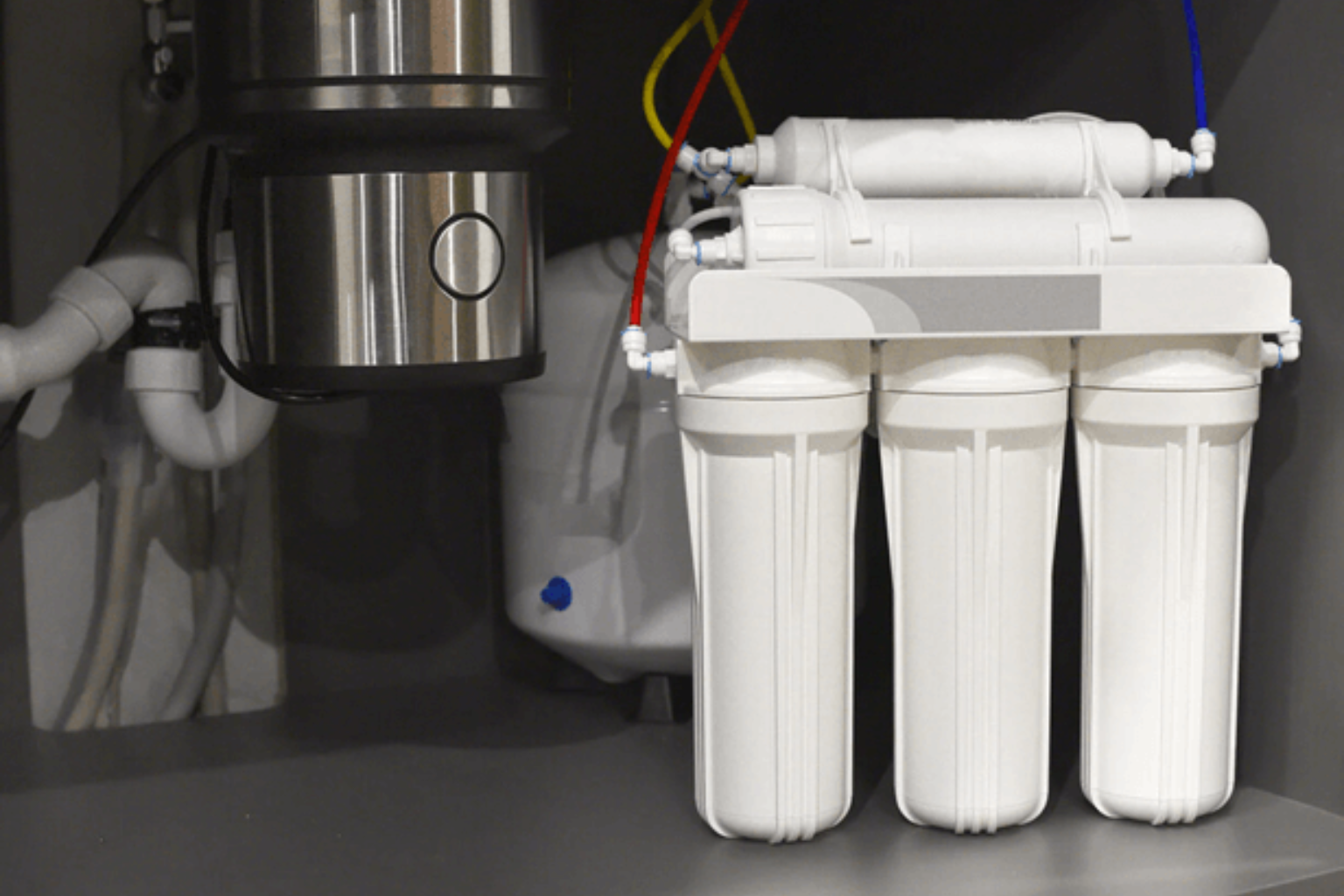
RO systems are often installed under the kitchen sink with a separate faucet, so you get fresh water for drinking and cooking without having to treat your entire home.
Yes, it removes even some of the beneficial minerals—but many modern systems now add those back in for balance.
So… What’s the Deal with WaterCare RO?
Among the brands making waves (pun absolutely intended), WaterCare RO systems are quietly gaining popularity for all the right reasons.
What sets them apart isn’t just sleek design or good marketing—it’s the focus on smart filtration without over-complication. WaterCare units typically include multi-stage filters, high-efficiency membranes, and optional remineralization cartridges for that just-right taste.
Plus, they’re built for the long haul. Fewer filter changes. Solid construction. And clear indicators when it’s time for a replacement. No guesswork, no surprises.
For families who want consistent water quality without fiddling with equipment every month, WaterCare RO offers a pretty compelling value.
It’s Not Just About Taste
Here’s something folks often overlook: good water isn’t just for drinking.
When your water is truly clean, your cooking improves. Tea and coffee taste brighter. Pasta boils up better. Soups and broths? More flavorful. Even your ice cubes look clearer.
And let’s not forget about the stuff you don’t taste. Exposure to contaminants like lead or PFAS over time can affect everything from cognitive function to hormone balance. Especially in children, clean water is more than a luxury—it’s a necessity.
Bottled Water? It’s Not the Answer
Some might say, “Well, I just drink bottled water—it’s convenient.”
Sure. But it’s also wildly expensive over time, environmentally destructive, and surprisingly inconsistent. Many bottled waters are nothing more than filtered tap water anyway—just packaged with branding and markup.
With a good home system, you can get better water than what comes in plastic—for pennies per gallon. Plus, no hauling cases from the store or dealing with recycling guilt.
Making the Shift at Home
Worried it’s going to be complicated? It’s really not.
Most RO systems or under-sink filters can be installed by a plumber in under an hour. Some handy homeowners even do it themselves. And once it’s in, you’re set. No more anxiety over water quality. Just turn on the tap and enjoy.
The only maintenance? Replacing filters periodically—which is often just twice a year, depending on usage and system type.
Final Thoughts: Invest in What You Use Every Day
It’s funny—we’ll spend hundreds on air purifiers, face creams, supplements, or gym memberships… and yet overlook the single most consumed item in our homes: water.