Science has always been more than just textbooks and exams—it’s about curiosity, experimentation, and those “aha” moments that stay with you for years. One of the best platforms where this magic happens is a science exhibition, where students bring ideas to life through models, prototypes, and working demonstrations. Among the many fascinating projects that often steal attention, one technology stands out for its simplicity and future potential: the hub motor.
Why Science Exhibitions Still Matter
In today’s digital age, it’s easy to assume that learning happens mostly online. But there’s something irreplaceable about physically building a project, wiring components together, and watching it work in real time. Exhibitions create an environment where students don’t just learn—they experience science.
They also encourage problem-solving. Instead of memorizing formulas, students think about real-world applications. How can we reduce pollution? How can we make transportation more efficient? These questions often lead to innovative models that go beyond classroom theory.
Understanding the Basics of Hub Motor Technology
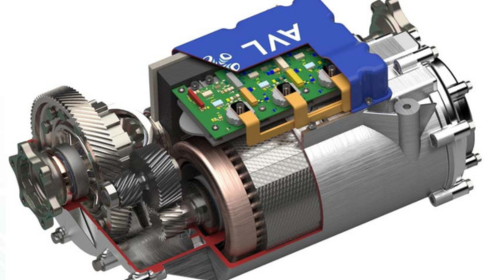
A hub motor is essentially an electric motor built directly into the wheel of a vehicle. Unlike traditional systems where power is transmitted through chains or gears, this motor eliminates the need for complex mechanical parts. The result? A cleaner, more efficient design.
This technology is commonly used in electric bicycles, scooters, and even some modern electric cars. Because it’s compact and easy to install, it has become a popular choice for students working on eco-friendly transportation projects.
Why Hub Motors Are Perfect for Student Projects
One of the biggest advantages of using a hub motor in an exhibition project is its simplicity. Students can create a working model of an electric bike or a small vehicle without needing advanced mechanical skills. It’s beginner-friendly but still impressive enough to grab attention.
Another reason is relevance. With the world shifting toward sustainable energy solutions, showcasing an electric mobility model feels timely and meaningful. Judges and visitors are naturally drawn to ideas that solve real problems, especially those related to pollution and fuel consumption.
Building a Simple Model: What It Teaches
Creating a project around a hub motor isn’t just about assembling parts—it’s a complete learning experience. Students get to understand:
- Basic electrical circuits
- Battery management systems
- Energy efficiency concepts
- Real-world engineering challenges
There’s also a creative side. From designing the body of the model to presenting the concept visually, students combine technical skills with imagination.
Presentation Matters as Much as the Project
A well-built model is important, but how you present it can make all the difference. In a science exhibition, communication is key. Explaining how your hub motor works in simple terms, showing live demonstrations, and connecting your idea to real-world benefits can elevate your project significantly.
Adding charts, diagrams, or even a small video demonstration can make your setup more engaging. Remember, the goal isn’t just to build—it’s to make others understand and appreciate your idea.
The Bigger Picture: Inspiring Future Innovators
Projects like these often plant seeds for bigger ambitions. A student who experiments with a hub motor today might become an engineer working on electric vehicles tomorrow. That’s the real value of exhibitions—they inspire long-term thinking.
They also build confidence. Standing beside your project, explaining it to teachers, judges, and visitors—it’s a powerful experience. It teaches communication, critical thinking, and the courage to share ideas.
Conclusion
A science exhibition is more than just a school event—it’s a launchpad for innovation. When students explore technologies like the hub motor, they’re not just completing an assignment; they’re engaging with the future.
And sometimes, all it takes is one simple project, one working model, to turn curiosity into a lifelong passion for science and technology.