There’s a certain comfort in routines we don’t question. Filling a glass from the kitchen tap. Making tea without thinking twice. Rinsing fruits, cooking rice, washing up—it all blends into the background of daily life.
But every now and then, something shifts. The water tastes slightly off. Not bad, just… different. You hesitate for a second, maybe shrug it off, and carry on. Still, that tiny moment lingers.
Water has a quiet way of reminding you that it’s not as simple as it seems.
When Taste Becomes Hard to Ignore
Taste is a funny thing. You don’t always notice it when it’s right, but when it’s off—even slightly—it stands out immediately.
Maybe it’s a hint of chlorine, or a faint metallic edge. Sometimes it’s subtle enough that guests don’t mention it, but you know it’s there. And once you notice, it’s hard to “un-notice.”
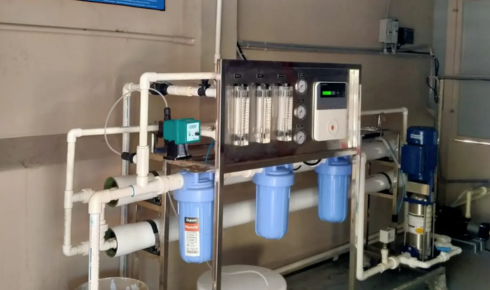
This is often the point where people start exploring reverse osmosis drinking systems. Not because they’re chasing perfection, but because they want consistency. Clean, neutral water that doesn’t interfere with the flavor of what they’re making or drinking.
And once you get used to that kind of clarity, it quietly becomes your new baseline.
Why Your Morning Coffee Suddenly Tastes Better
There’s something satisfying about a good cup of coffee—or tea, if that’s your thing. But here’s the part many people overlook: water makes up the majority of it.
So when your water improves, everything built on top of it improves too.
That’s where better taste really shows up. Not just in plain drinking water, but in everything you prepare. Soups feel cleaner, coffee feels richer, even simple meals seem more balanced.
It’s not magic. It’s just removing the small impurities that interfere with flavor.
And the difference? Subtle, but undeniable.
It’s Not Just About What You Drink
Most conversations about water quality revolve around drinking water. And that makes sense—it’s what we consume directly.
But water flows through your entire home, not just your glass.
Your dishwasher, washing machine, kettle, and even your shower all rely on the same supply. And over time, minerals and contaminants can build up in ways you don’t immediately notice.
That’s where appliance protection becomes part of the bigger picture. Cleaner water doesn’t just improve taste—it reduces wear and tear. Less buildup inside your appliances means they work more efficiently and tend to last longer.
It’s one of those benefits you don’t think about daily, but it shows up in fewer repairs and replacements over time.
The Quiet Shift You Feel Over Time
What’s interesting about improving your water is how quietly it changes things.
There’s no dramatic “before and after.” No instant transformation that makes you stop and stare.
Instead, it’s a gradual shift.
Your kettle stays cleaner longer. Your dishes come out without that faint film. Your water just… tastes right, without needing explanation.
And eventually, you stop thinking about it altogether.
Which, oddly enough, is the whole point.
Finding What Works Without Overthinking It
If you start looking into water systems, it can feel overwhelming pretty quickly. There are options, features, technical details—it’s easy to get lost in it all.
But the reality is simpler than it seems.
You don’t need the most advanced setup. You just need something that addresses your specific concerns. For some homes, that might be a basic filtration system. For others, something more targeted makes sense.
The key is understanding your water—not guessing, not assuming.
Once you know what you’re dealing with, the right solution usually becomes clear.
Why People Often Wait (And That’s Okay)
It’s easy to delay making changes to something as ordinary as water. If it’s not causing major issues, it doesn’t feel urgent.
And honestly, that’s fair.
But here’s the thing—water quality doesn’t usually demand attention in dramatic ways. It shows up in small inconveniences. Slight discomforts. Minor inefficiencies that build up over time.
Addressing it isn’t about reacting to a crisis. It’s about improving something you use every single day.
And that kind of improvement tends to pay off quietly, over the long run.
A More Comfortable Way to Live with Water
At the end of the day, this isn’t about chasing perfect water. It’s about removing the little things that make it less enjoyable.
Because water is woven into your routine in ways you don’t always notice—until something feels off.
When it’s clean, neutral, and reliable, it fades into the background again. And that’s exactly where it belongs.
Final Thoughts: The Upgrade You Don’t See, But Feel
We often think of home improvements in visible terms—new furniture, fresh paint, upgraded lighting. But some of the most meaningful changes are the ones you don’t immediately see.
Water is one of those things.
It’s constant. Quiet. Essential.
And when it’s working the way it should—when it tastes right, feels right, and supports everything around it—you don’t have to think about it anymore.
It just works.
And sometimes, that’s the best kind of improvement there is.