
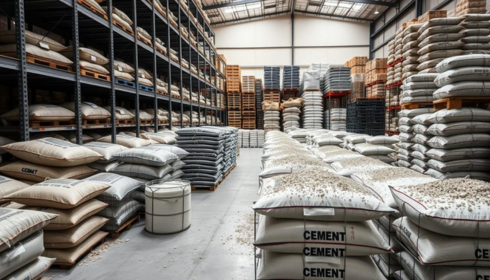
When you’re managing a construction project—whether it’s a residential complex, commercial building, or infrastructure development—cement becomes one of the most critical materials on site. And when the requirement runs into hundreds or thousands of bags, buying small quantities simply doesn’t make sense. That’s where Purchasing bulk cement becomes a smarter, more cost-effective decision.
Bulk cement procurement is not just about saving money. It’s about ensuring consistent quality, uninterrupted supply, and streamlined logistics. For contractors, builders, and developers, understanding how bulk buying works can make a noticeable difference in both project timelines and profitability.
Why Bulk Cement Buying Makes Sense
The biggest advantage of bulk cement purchasing is cost efficiency. Suppliers typically offer lower per-unit rates when cement is bought in large quantities. This helps reduce overall project expenses, especially in long-term or large-scale developments.
Another benefit is uniformity in material quality. When you source cement from the same batch or supplier, you minimize variations in composition and strength. This consistency directly impacts the durability and structural integrity of your construction.
Additionally, bulk supply reduces frequent transportation needs. Instead of coordinating multiple deliveries of smaller quantities, you can schedule fewer, well-planned shipments. This not only saves time but also lowers logistics costs.
Understanding Storage and Handling
Before placing a bulk order, proper storage planning is essential. Cement is highly sensitive to moisture, and improper storage can result in lumps, reduced strength, or even complete spoilage.
For large projects, cement is often delivered in bulk tankers and stored in silos. These silos protect the material from humidity and contamination. If you’re working on a smaller project but still ordering in bulk, ensure you have a dry, ventilated storage space with elevated platforms to keep bags off the ground.
Effective inventory management is equally important. Use the “first in, first out” method to prevent older cement from sitting unused for long periods.
Choosing the Right Supplier
Selecting reliable Bulk Cement Suppliers Near You is crucial for a smooth construction process. A dependable supplier ensures timely delivery, consistent quality, and competitive pricing.
When evaluating suppliers, consider the following factors:
- Certification and quality standards
- Delivery capacity and fleet availability
- Transparent pricing and contract terms
- Customer reviews and industry reputation
- Technical support or consultation services
Local suppliers often offer logistical advantages. They can respond quickly to urgent demands and may provide better transportation rates due to shorter distances.
Types of Cement Available in Bulk
Different construction projects require specific types of cement. Some of the most commonly supplied bulk options include:
- Ordinary Portland Cement (OPC)
- Portland Pozzolana Cement (PPC)
- Rapid Hardening Cement
- Sulphate Resistant Cement
- White Cement for finishing work
Before finalizing your order, consult with your structural engineer or project manager to ensure the selected cement grade matches the structural requirements and environmental conditions.
Cost Considerations Beyond the Price Tag
While the per-ton price is important, it shouldn’t be the only factor influencing your decision. Consider additional aspects such as transportation charges, unloading equipment, storage setup, and payment terms.
Bulk orders may require advance payments or long-term contracts. Negotiating favorable credit terms can help maintain cash flow during large projects.
Also, factor in potential wastage. Buying in bulk reduces packaging waste, especially when cement is supplied in tankers rather than bags, making it an environmentally responsible option.
Planning for Timely Deliveries
Construction schedules are tightly managed, and delays in material supply can halt operations. Work closely with your supplier to create a delivery timeline aligned with your project phases.
Many suppliers offer tracking systems and customer support lines to monitor shipments in real time. This level of coordination ensures cement arrives exactly when needed, preventing site congestion or shortages.
Final Thoughts
Bulk cement procurement is more than just a purchasing decision—it’s a strategic move that impacts cost, efficiency, and project quality. From evaluating storage readiness to selecting trustworthy suppliers and negotiating pricing, every step requires thoughtful planning.
When done right, bulk cement buying simplifies operations, reduces expenses, and ensures your construction project progresses smoothly from foundation to finishing. Whether you’re developing residential units or managing commercial infrastructure, making informed decisions about cement supply can significantly enhance overall project success.
